
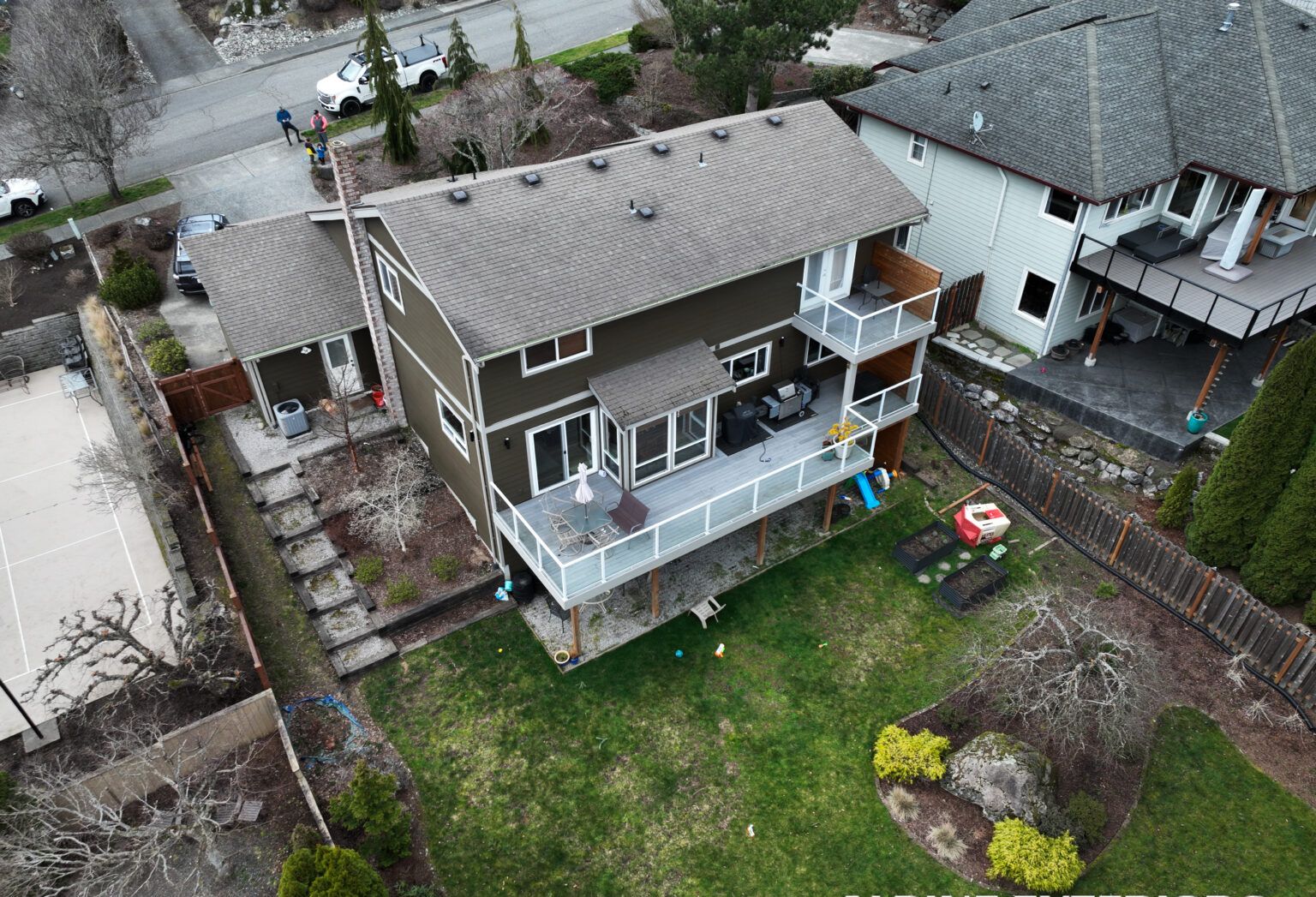
If your siding in Birchwood took a hit from a recent windstorm or an extended stretch of driving rain, the damage is often more than it looks like from the driveway. Water intrusion behind lap siding, cracked or lifted panels near roof lines and corners, and soft or spongy trim boards are the three things worth checking first, because they're the ones that keep causing damage long after the storm itself has passed.
Whatcom County storms rarely announce themselves the way damage does elsewhere. There's no single dramatic event that peels a wall bare. Instead, wind gusts off Bellingham Bay and the Strait of Georgia push rain sideways against north- and west-facing walls for hours or days at a time, and that sustained, angled water finds every seam, nail hole, and joint that isn't sealed the way it should be. In Birchwood specifically, homes sit close enough to the water and open enough to the prevailing westerlies that wind-driven rain is a bigger factor than the wind speed itself. A 35-mph gust that lasts ten minutes does far less damage than a steady 20-mph wind pushing rain into a wall for six hours.
What that means practically is that storm damage to siding here usually shows up as one of a few patterns. Lap siding can crack or split where wind flexed a panel against its fasteners, especially on older cedar or engineered wood products that have already absorbed a few seasons of moisture. Caulking around windows, doors, and trim boards can pull away or crack, which doesn't look dramatic but opens a direct path for water behind the water-resistive barrier. And in more severe wind events, whole panels or sections of vinyl or fiber cement can lift, crack at the locking edge, or blow off entirely, usually starting at a corner or an area where the original installation left a gap.
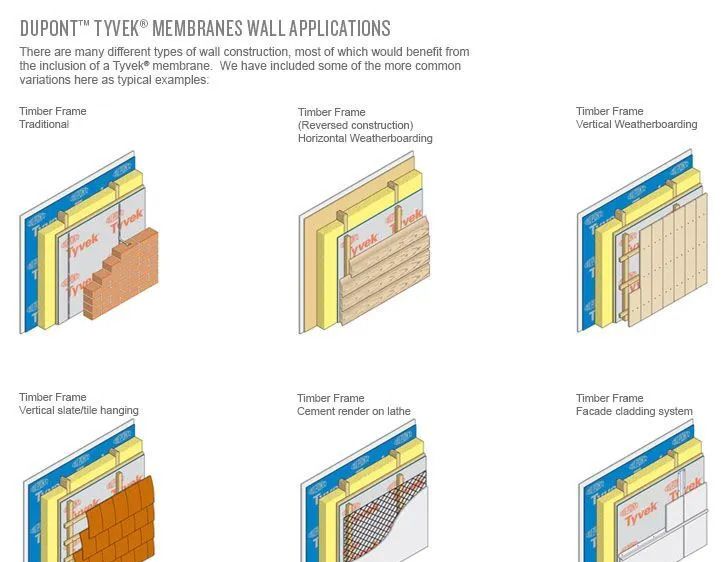
The part homeowners tend to miss is that the visible damage from one storm is frequently sitting on top of damage that was already there. A home with underlying wood rot or a compromised weather barrier will show far more damage from the same storm than a home where the siding and flashing were installed correctly. That's why an inspection after a storm should never stop at "does it look broken" — it needs to check what's happening behind the siding, not just on the surface.
Whatcom County's weather pattern is what separates storm damage here from storm damage almost anywhere else in the country, and a few local specifics matter more than people expect.
None of this involves hurricane-force wind or the kind of catastrophic, all-at-once damage seen in other parts of the country. What Whatcom County has instead is a slower, cumulative kind of damage that's easy to underestimate because it doesn't happen all at once.
After a windstorm or a stretch of heavy, driving rain, walk the exterior of the house and look specifically at the walls facing west and northwest — those are the ones taking the brunt of wind-driven rain in Birchwood. A few things are worth checking every time:
If anything looks questionable, get it looked at rather than waiting for the next storm to make the decision for you. A small crack or a gap in caulking is a cheap fix. The same gap left through another wet season can turn into sheathing replacement, framing repair, and interior drywall work, which is a different order of cost entirely. Alpine Exteriors inspects storm-damaged siding across Whatcom County, including Birchwood, Bellingham, Ferndale, and the areas around Lake Whatcom, and can tell you honestly whether you're looking at a repair, a partial re-side, or something that can wait.
On insurance: most homeowner policies cover sudden, storm-caused damage — a tree limb through a wall, a wind event that cracks and lifts panels — but they typically exclude damage from gradual deterioration, deferred maintenance, or pre-existing rot. That distinction matters a lot in a climate like this one, because an adjuster who sees rot at the edge of storm damage may attribute the whole area to maintenance rather than the storm, and reduce or deny that portion of the claim. Dated photos from before the storm (if you have them), photos immediately after, and a written inspection report that separates storm damage from pre-existing wear all strengthen a claim. It's also worth reading your policy's language on wind and water damage specifically, since some policies sublimit or exclude water intrusion that isn't tied to a single, identifiable event.
Storm damage tends to be sudden and localized — a cracked panel, a section that lifted or blew off, fresh gaps in caulk that weren't there before the storm. Normal wear shows up gradually and broadly: fading color, chalky surface texture, or moss that's built up over multiple seasons. The tricky part is that storms often expose or worsen wear that was already present, which is why a thorough inspection distinguishes between "the storm caused this" and "the storm found this." That distinction is also what an insurance adjuster will be looking for.
In most cases, sudden wind or storm damage is covered, but coverage for water intrusion, rot, or damage tied to deferred maintenance is usually limited or excluded, since those are considered gradual issues rather than a single covered event. The best approach is to document the damage with dated photos right after the storm, get a written inspection, and file the claim promptly — insurers are generally less receptive to claims filed weeks or months after an event, since it becomes harder to tie the damage to that specific storm.
North-facing walls in Birchwood get less direct sun, which means they stay damp longer after rain and dry out more slowly overall. That extra moisture retention is exactly what moss and algae need to establish, and it's also what accelerates wood rot in trim and siding that's lost some of its protective coating. It's a very common pattern in this region and isn't usually a sign of a bigger structural problem on its own, but it does mean north walls deserve a closer look during any storm-damage inspection.
It depends on the extent and location of the damage, and how old the existing siding already is. If the damage is isolated to a section or two and the rest of the siding and the water-resistive barrier behind it are in good shape, a targeted repair is usually the more practical and less expensive option. If the damage is widespread, if there's rot in multiple areas, or if the siding is old enough that matching materials and color is difficult, a partial or full re-side often ends up making more sense than chasing repairs one storm at a time. An honest inspection should tell you which situation you're in rather than assume the more expensive answer by default.
If a recent windstorm or a wet stretch has you wondering what's happening behind your siding, it's worth having someone look before the next round of rain moves in off the Strait. Alpine Exteriors is a licensed Washington siding contractor (license ALPINI751OW) working throughout Whatcom County — Bellingham, Ferndale, Lynden, Blaine, Birch Bay, Sudden Valley, Birchwood, and the islands — and can walk your property, point out what's storm damage versus pre-existing wear, and give you a straightforward assessment of repair versus replacement, with no pressure toward the bigger job if it isn't warranted. Reach out to schedule an inspection while the damage is still fresh and easy to document.