
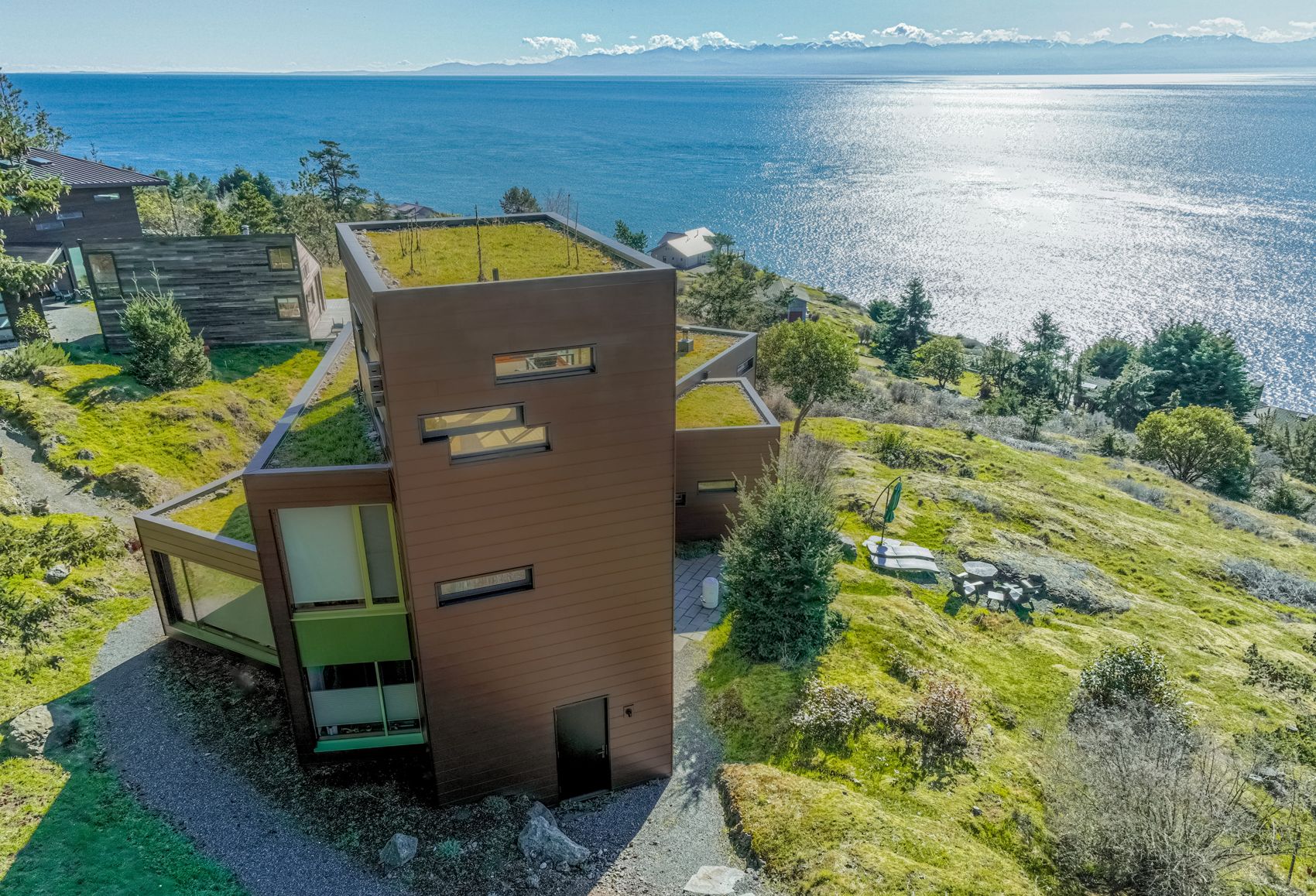
Cordata sits in north Bellingham between Bellis Fair, the Cordata neighborhood park, and the greenbelt along Squalicum Creek. It's a mix of newer subdivisions and older ranch-style homes, a lot of them tucked under mature second-growth fir and cedar. That tree cover is part of what makes the neighborhood pleasant to live in, and it's also exactly the kind of condition that ages siding faster than a homeowner might expect. This checklist walks through what to look at, why it matters here specifically, and what your options are when something doesn't check out.
Whatcom County doesn't get hurricanes or hail the way other parts of the country do, but the coastal Pacific Northwest has its own slow, steady set of stresses on exterior siding. Bellingham's wet season runs roughly October through March, and a lot of Cordata's older tree canopy keeps yards and north-facing walls shaded and damp well after a storm has passed through. Add wind-driven rain that comes off Bellingham Bay and the Strait of Georgia during fall and winter storm systems — it doesn't just fall straight down, it gets pushed sideways into west- and southwest-facing walls, working into any gap in trim, flashing, or caulk. Freeze-thaw isn't as dramatic in Cordata as it is up in the foothills toward Mt. Baker, but Whatcom County still sees several arctic outflow events each winter where temperatures drop quickly. If siding or the sheathing behind it is already holding moisture, that freeze-thaw cycling is what turns a small crack into a bigger one. None of this means Cordata siding is doomed — it means a five-to-ten-minute seasonal walk-around catches problems while they're still cheap to fix.
Walk the full perimeter of the house, ideally after a few days of dry weather so you can see staining and growth clearly. Bring a flashlight for eaves and corners, and don't skip the shaded side of the house — that's usually where the real story is.
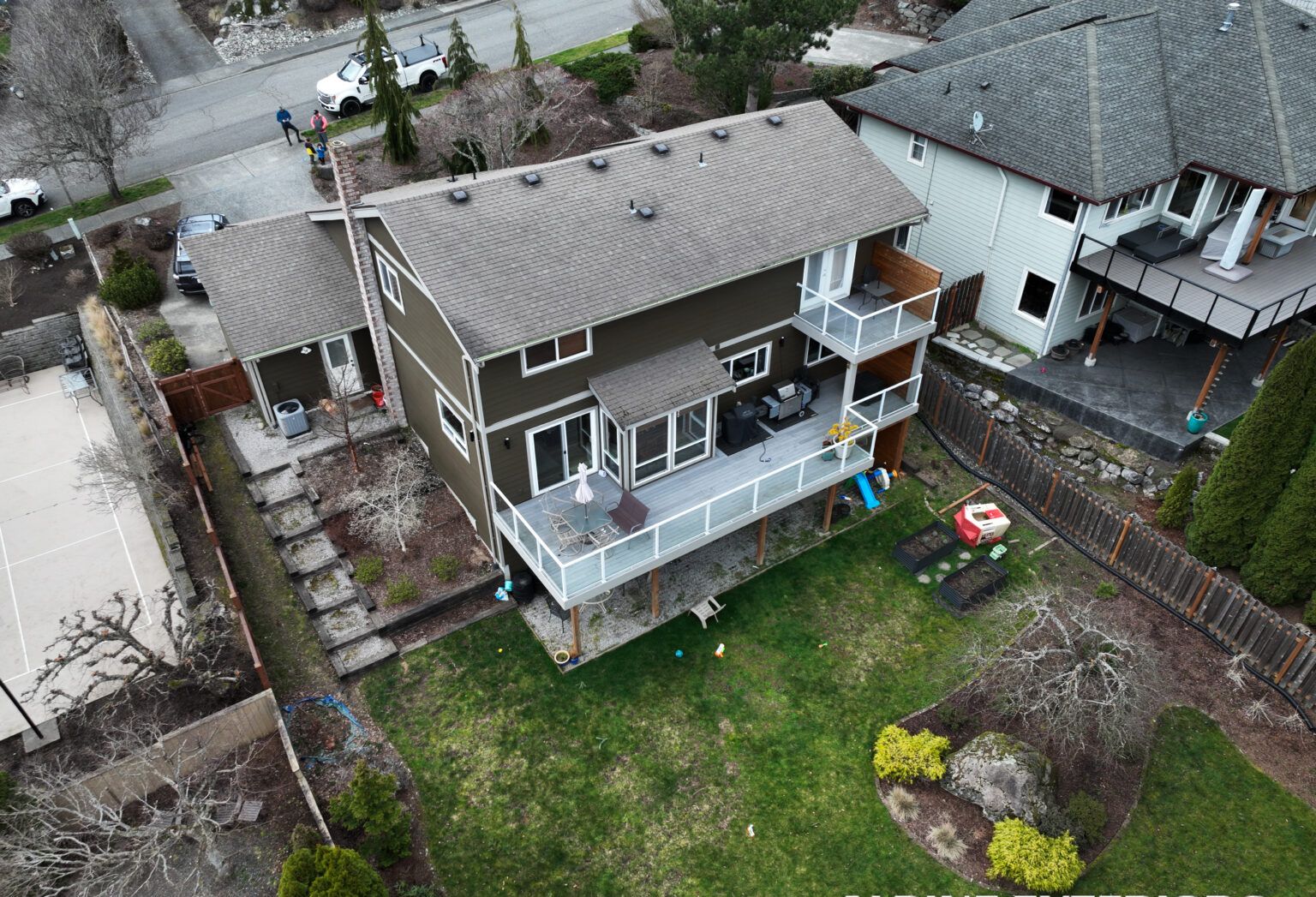
Don't panic over one flagged item — most siding inspections turn up something. What matters is documenting it and acting before the wet season makes it worse. Take a dated photo of anything that fails the checklist; it's useful for tracking whether a problem is stable or spreading, and it's handy if you end up getting repair quotes. Resist the urge to paint over soft or discolored siding — it hides the problem without fixing it, and the rot underneath keeps going. Small trim gaps and shrunken caulk lines are reasonable for a homeowner to address directly with a quality exterior-grade sealant as a stop-gap, but treat it as a stop-gap, not a permanent fix, especially if the gap reappears within a season. Avoid pressure-washing moss or algae off siding yourself — high-pressure water forces moisture behind laps and around fasteners, which can cause more damage than the moss itself, and it can void some manufacturers' warranties. A soft brush, a gentler low-pressure rinse, and a siding-safe cleaner are usually enough for surface growth. Clear gutters and downspouts every fall before the heavy rain arrives, since that single task prevents a lot of the splash-back and overflow damage on this checklist. If you find soft wood, delaminating panels, or a leak trail on an interior wall, get it assessed sooner rather than later — moisture problems in this climate tend to compound through an entire wet season if left alone.
Some findings are fine to monitor for a season; others are worth a proper assessment right away. Call a licensed siding contractor if you find soft or spongy siding across more than a small, isolated spot, if moss or algae keeps returning to the same area shortly after cleaning, if you can see exposed or damaged sheathing anywhere, if interior water staining shows up along an exterior wall, or if fasteners are visibly corroded or pulling loose across multiple sections. It's also worth a professional opinion if you're weighing repair versus a full re-side — an experienced eye can tell you whether the wall assembly underneath is sound or whether the siding is a symptom of a bigger moisture problem. Alpine Exteriors works throughout Whatcom County, including Cordata, Bellingham, Ferndale, Lynden, Blaine, Birch Bay, Sudden Valley, and the islands, and can walk a property, explain what's actually driving a given issue, and lay out repair versus replacement options honestly, including where a repair is genuinely the more sensible call. Alpine Exteriors holds Washington contractor license ALPINI751OW.
A full walk-around twice a year covers most of what matters here — once in early fall before the wet season ramps up, so gutters, caulk, and flashing are in good shape going into the heaviest rain, and once in spring to see how the siding held up over the winter. Homes with a lot of tree cover, like many in Cordata, benefit from an extra check of the shaded, north-facing walls mid-winter, since that's where moss and trapped moisture show up first.
It starts cosmetic but doesn't stay that way. Moss and algae hold moisture directly against the siding surface far longer than the material would otherwise stay wet, and that constant dampness is what eventually breaks down paint, causes wood to soften, and corrodes fasteners underneath. A light surface film isn't an emergency, but thick moss pads at laps and under eaves are worth clearing and keeping an eye on, not ignoring.
Usually not. Most issues caught early, like a cracked board, a failed caulk joint, or a small area of nail pops, can be repaired locally without touching the rest of the wall. Full-wall or full-section replacement generally comes into play when rot has spread along the sheathing, when the water-resistive barrier has failed over a wide area, or when the siding material itself is old enough that patching would leave a visible and mismatched repair. A proper inspection can usually tell you which situation you're in before any work starts.
It can, depending on the scope of work and how much of the wall assembly gets opened up. The Washington State Energy Code sets requirements for continuous insulation and a continuous water-resistive barrier on exterior walls, and a full re-side is often the point where those requirements come into play, since the wall is already exposed. A partial repair generally doesn't trigger the same review. It's worth asking your contractor directly which path applies to your project before work begins, since it affects both material choices and cost.
If this checklist turned up more than one or two flagged items, or if you'd rather have a second set of eyes before the wet season sets in, Alpine Exteriors offers siding inspections throughout Cordata, Bellingham, and the rest of Whatcom County — Ferndale, Lynden, Blaine, Birch Bay, Sudden Valley, and the islands included. As a licensed Washington contractor (ALPINI751OW), Alpine Exteriors can give you a straight read on what's cosmetic, what needs attention this season, and what can reasonably wait, along with real repair-versus-replacement cost ranges for your specific situation. Reach out to schedule a walk-around before the fall rains arrive.