
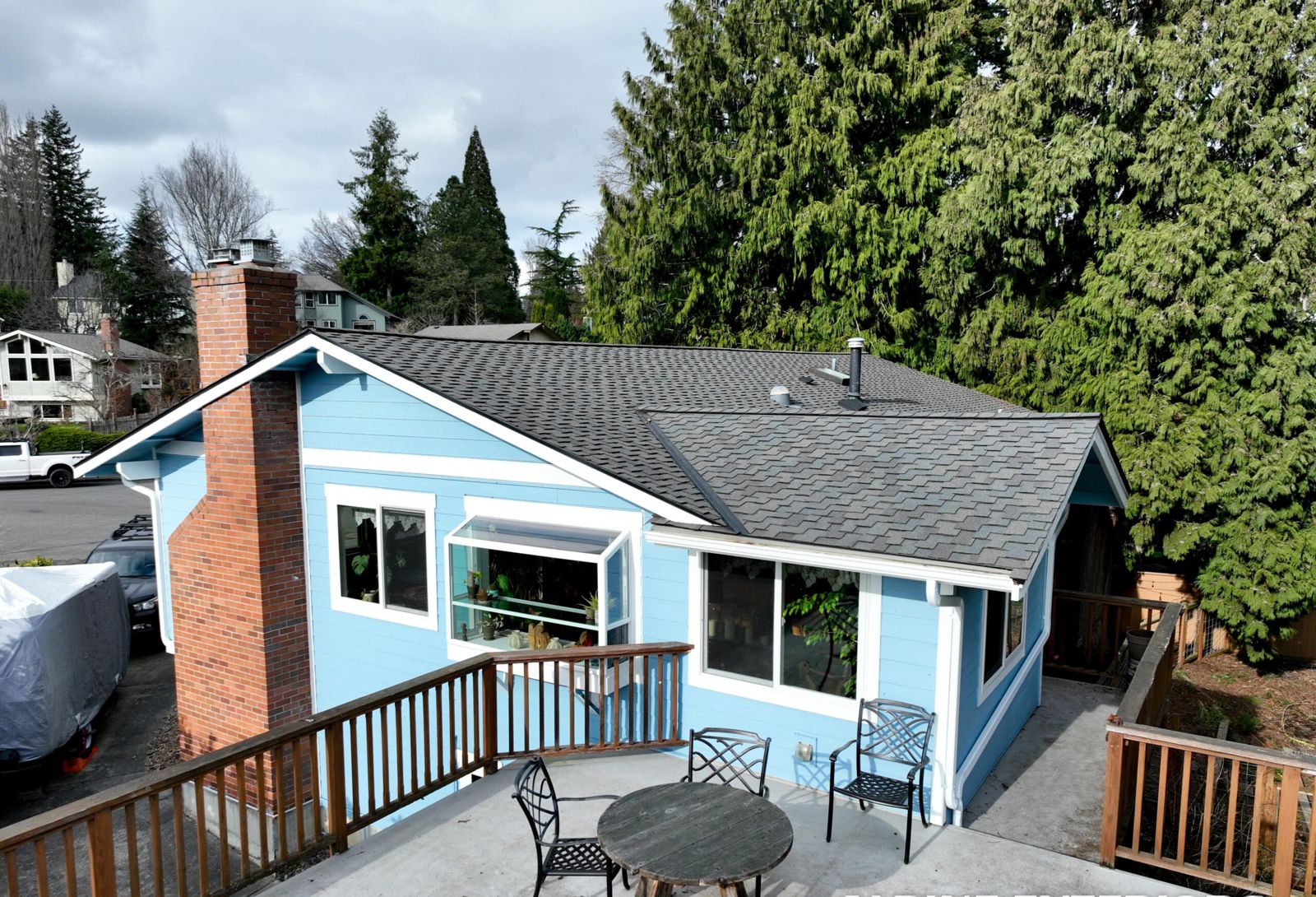
After wind or heavy rain moves through Everson, walk the exterior of your house and look for cracked, buckled, or missing siding panels, lifted trim, and dark staining low on the wall near grade. If you see any of those, photograph them the same day and call your insurance agent before you call a contractor for repairs, because most policies require documentation of the damage in its original state. Not every mark on your siding is storm damage, and not every storm-related mark is covered — the rest of this page explains how to tell the difference.
Siding damage in Everson usually falls into one of three buckets, and they get treated very differently by both contractors and insurers. The first is sudden impact or wind damage — a branch strike, a panel torn loose by gusts, fascia peeled back where wind got underneath a weak seam. This is the kind of damage that shows up right after a specific storm event and is usually the easiest to get an insurance adjuster to acknowledge, because there's a clear before-and-after.
The second bucket is water intrusion that built up over months or years and simply became visible after a storm pushed enough rain against the wall to reveal it. This includes soft or spongy siding near window sills, dark streaking below butt joints, and paint that's bubbling or peeling in sheets rather than flaking normally. By the time you can see this kind of damage from the ground, there's a good chance the wood sheathing or house wrap behind the siding has already been wet for a while. Insurers tend to treat this as maintenance-related deterioration rather than storm damage, which is one of the more frustrating realities homeowners run into.
The third bucket is cosmetic and biological — moss, algae, and mildew staining, mostly on north- and east-facing walls that don't get enough sun to dry out between rain events. This isn't storm damage in the insurance sense at all, but it's worth checking after a storm because heavy wind-driven rain can push moss and organic debris into siding laps and joints where it holds moisture against the material long after the weather clears.
Everson sits inland along the Nooksack River, in the lowlands between Bellingham and the Sumas Gap, and that location changes what its siding deals with compared with a house on Bellingham Bay or out on Birch Bay's shoreline. Coastal parts of the county take wind-driven rain coming straight off the water, which drives moisture sideways into siding laps and around window flashing. Everson gets a version of that same wind-driven rain, but it often arrives funneled through the Sumas Gap and lower Fraser Valley rather than off open water — this is the same terrain feature responsible for the outflow wind events that can hit harder and more suddenly in Everson and Sumas than in Bellingham proper, even when the two towns are only a short drive apart.
The Nooksack River is the other piece that's specific to Everson. Homes near the river or in low-lying stretches of town can see high water reach the base of exterior walls during major flood events, and that's a different problem than wind or rain damage — it soaks the bottom courses of siding and the sill area behind it, and it's handled by flood insurance, not a standard homeowners policy. If your property has ever had water reach the foundation or crawlspace, it's worth checking the lower two or three feet of siding specifically, even if the rest of the wall looks fine.
Everson also sits slightly higher and further from the moderating effect of Bellingham Bay than the coastal towns in the county, so it tends to see a few more freeze-thaw cycles each winter. Water that gets into a crack in vinyl siding or into hairline checking in cedar can freeze overnight, expand, and widen the damage — a small crack in November can be a noticeably bigger one by February without a single storm event causing it. That's a slower, cumulative process rather than something insurance treats as a discrete claim.
None of this means Everson is a worse place to own a house — it just means the checklist after a storm should include a couple of things a Bellingham waterfront inspection wouldn't necessarily prioritize: outflow wind exposure on the north and east sides of the house, and water lines at the base of the siding if the property is anywhere near the river.
Start with a slow walk around the entire house, not just the side that faced the wind — funneled outflow wind in this part of the county can hit a wall you wouldn't expect. Look for panels that have visibly shifted or gapped, caulk that's pulled away from trim and window casings, and any spot where you can see the black house wrap or bare sheathing behind the siding. Push gently on any siding that looks discolored or swollen; if it flexes or feels soft, that's worth flagging to a contractor even if it doesn't look dramatic from a few feet away.
One honest caveat: insurance claims for siding are not always straightforward, and a claim can get denied or reduced if the adjuster decides the damage was gradual rather than storm-caused. Keeping your own photo record over time — not just after a storm — makes it much easier to show that a problem is new rather than long-standing. Alpine Exteriors can provide a written damage assessment that separates storm-related damage from pre-existing wear, which is the kind of documentation that tends to hold up better with an adjuster than a verbal opinion.
Generally no. Moss and algae growth is considered a maintenance issue rather than storm damage, even though heavy wind-driven rain can make it worse by pushing debris into siding joints. Most policies exclude gradual or biological damage, so the practical fix is regular cleaning and keeping gutters and downspouts clear so water doesn't sit against shaded walls.
No — flood damage, including water that reaches the base of your siding during a river flood event, is excluded from standard homeowners policies in Washington and requires a separate flood insurance policy, typically through the National Flood Insurance Program. If your property is near the river, it's worth confirming with your agent whether you're carrying flood coverage in addition to your regular homeowners policy.
If the damage is limited to one or two panels, cosmetic, and would cost less than your deductible to repair, filing a claim often isn't worth it. If wind has torn loose panels, exposed house wrap or sheathing, or damaged trim and flashing in a way that could let water in before it's fixed, that's typically worth documenting and reporting, since it affects more than appearance.
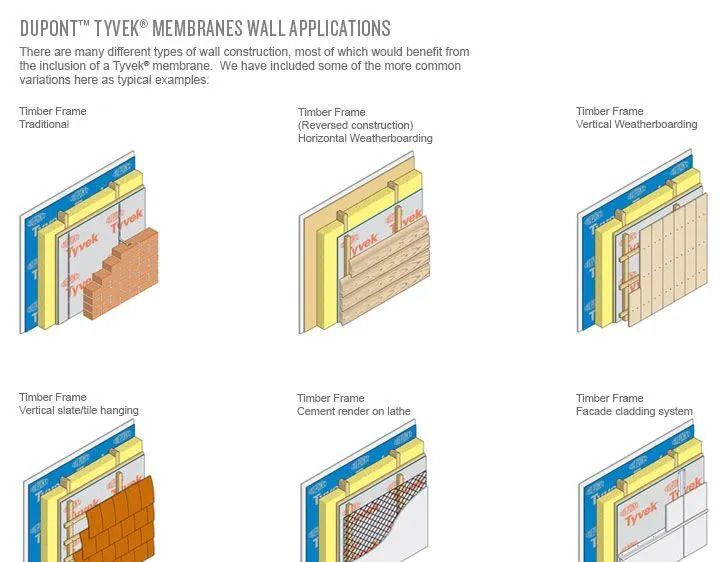
It depends on the age and material of the existing siding. Spot repairs are reasonable if the siding is relatively new and the damaged area is small, but matching older siding — especially if it's faded or a discontinued profile — can be difficult, and patched sections sometimes stand out. For siding that's already older or was already showing wear before the storm, a full re-side is often the more practical long-term choice, and it's a chance to address insulation and moisture barrier details at the same time.
If you're not sure whether what you're looking at is storm damage, water damage, or just siding that's due for replacement, that's a reasonable thing to want a second opinion on before you file a claim or sign a repair contract. Alpine Exteriors works on homes throughout Whatcom County, including Everson, Lynden, Ferndale, and the rest of the county, and can walk your property, tell you plainly what's storm-related and what isn't, and put it in writing for your insurer if needed. Alpine Exteriors holds Washington contractor license ALPINI751OW — reach out for an on-site look at your siding before the next storm makes the decision for you.