
Fairhaven's blend of century-old character homes and newer infill sits on a bluff above Bellingham Bay, which means its siding takes on a specific kind of wear that a homeowner in a drier inland climate never has to think about. This checklist walks through what to look for, why it matters here specifically, and what to do next when something looks off. It's written for a homeowner doing a walk-around with a cup of coffee, not a contractor with a moisture meter — though we'll tell you when it's time to call one.
Whatcom County's siding problems are shaped almost entirely by water — not heat, not hail, not hurricanes, but the slow, patient kind of moisture exposure that comes from a marine climate. Fairhaven in particular catches wind-driven rain off Bellingham Bay and the Strait of Georgia, and homes on the bluff or close to the water take a harder, more horizontal rain than homes a mile inland. That horizontal push matters because siding is designed to shed water running downward, not water being driven sideways and upward into laps, seams, and trim joints. Over years, that difference is what separates a house that just needs paint from one with rot behind the siding.
The county's long, wet season — realistically October through April, with Fairhaven's tree cover keeping things damp even between storms — is also ideal for moss and algae growth on siding, especially on north-facing walls and anywhere shaded by big-leaf maples or evergreens. That organic growth isn't just cosmetic; it holds moisture against the siding surface far longer than bare wood, fiber cement, or vinyl would otherwise stay wet.
Cold snaps that drop down from the Mt. Baker foothills a few times each winter add a freeze-thaw cycle to the mix, particularly noticeable in Sudden Valley and other elevated pockets of the county. Water that's worked its way into a crack or a failed caulk joint expands when it freezes, widening the gap it started in. It's a slow process, but it's cumulative, and it's one of the more common reasons a small cosmetic crack becomes a real entry point for water over a few winters.
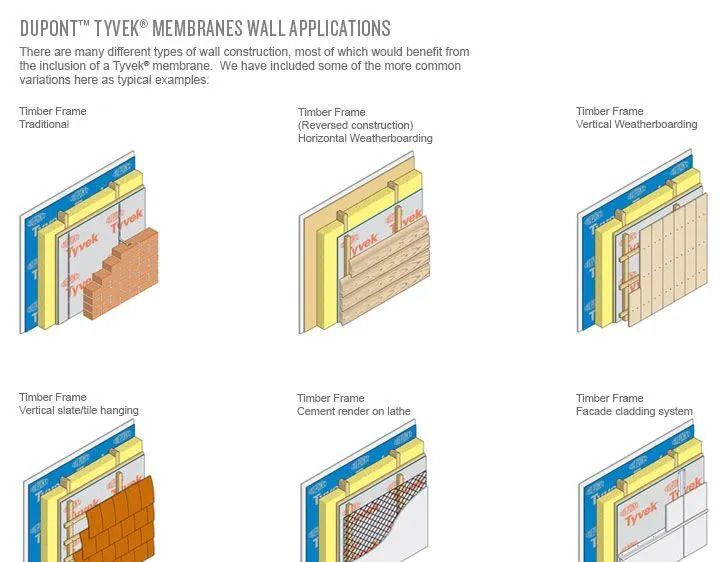
Finally, if you're planning to re-side or are having siding replaced as part of a larger remodel, the Washington State Energy Code comes into play. The code's continuous insulation and air-sealing requirements affect how a wall assembly gets built behind new siding — house wrap laps, insulation continuity, and window/door flashing integration all have to be done in a particular order to meet code and to actually keep water out. That's worth knowing even if you're just doing an inspection, because a lot of the failure points below are exactly the details the energy code is trying to get contractors to do correctly.
Walk the full perimeter of the house in daylight, ideally after a dry stretch of a day or two so you're not confusing surface dampness from a recent storm with an actual problem. Work from the ground up, and don't skip areas that are hard to see — those are often the ones with the most going on.
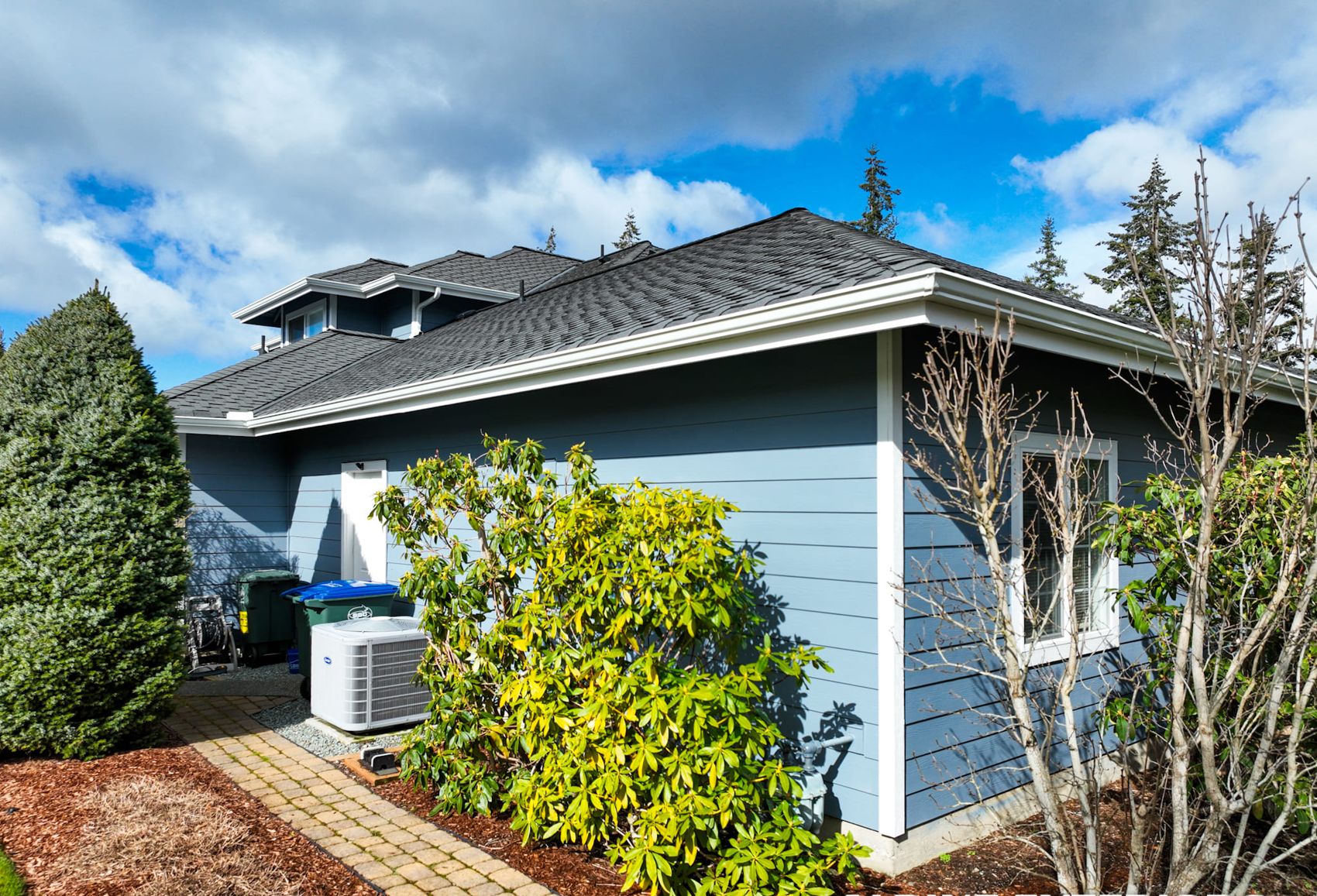
Not every item on this list means a full re-side. A single cracked caulk joint or a popped nail is a legitimate DIY fix for a homeowner comfortable on a ladder — clean the joint, re-caulk with an exterior-grade sealant rated for our climate, or set and caulk over the nail head. Take a photo before you fix anything minor; it's a useful record if the same spot fails again next year, which tells you something about how water is moving in that area.
For anything involving soft or spongy material, visible rot, or staining that traces back into the wall rather than sitting on the surface, resist the urge to just caulk over it. Sealing the surface without addressing what's underneath traps the moisture that's already there and can make rot progress faster, not slower. If you can, pull back or remove the affected section far enough to see how far the damage extends before deciding on a repair versus a full section replacement.
If you find active moss or algae, a soft wash with a mild cleaning solution and a garden hose (not a pressure washer, which can force water behind siding and strip paint) will handle surface growth. Persistent regrowth in the same spot usually means the underlying moisture or shade problem hasn't been addressed — trimming back vegetation or improving drainage nearby often does more than repeated cleaning.
If you spot a problem right before a forecasted storm and can't get a proper repair done in time, a temporary cover — rosin paper or plastic sheeting taped well above and around the damaged area — is better than leaving an open gap, but treat it as a stopgap measure only, not a fix.
Some findings are worth a second set of eyes even if they don't look dramatic. Call a licensed siding contractor if you find soft or spongy siding across more than one wall or a large section of one wall, staining inside the attic or on interior walls that lines up with an exterior siding issue, siding that's visibly separating from the wall in multiple places, or rot at a roof-to-wall intersection where kickout flashing is missing — that last one in particular is a repeated pattern we see on older Fairhaven homes and usually needs both roofing and siding work coordinated together.
It's also worth having a professional look before you buy or sell an older home in the Fairhaven Historic District, since original wood siding on these houses is often 60-plus years old and previous owners' repairs vary widely in quality. And if you're planning any re-siding project, a licensed contractor is the one who can confirm your wall assembly actually meets the current Washington State Energy Code requirements for insulation and air sealing — that's not something you can verify from a visual inspection alone. Alpine Exteriors holds Washington contractor license ALPINI751OW and works throughout Whatcom County, including Bellingham, Ferndale, Lynden, Blaine, Birch Bay, Sudden Valley, and the islands, and can walk a property with you to sort out which items on this list are cosmetic and which need real attention.
A full walk-around twice a year — once in late spring after the wet season and once in early fall before it starts again — catches most problems while they're still small. Homes right on the bluff or directly exposed to bay winds benefit from an extra check after any unusually strong wind or rain event, since that's when wind-driven rain does the most damage to weak points like flashing and caulk joints.
It's more than cosmetic, though the amount of harm depends on how long it's been growing. Moss and algae hold moisture against the siding surface well past when it would otherwise dry, which shortens the life of paint and finishes and, on wood siding, can contribute to rot over several seasons. Light surface staining that's cleaned regularly is mostly an appearance issue; moss that's been established for a year or more and growing into seams is worth a closer look.
The energy code sets requirements for how much continuous insulation a wall needs and how the air and moisture barriers behind your siding have to be installed and lapped, which affects the sequence a contractor follows during a re-side. It doesn't dictate what siding material you choose, but it does mean a proper re-siding job in Whatcom County involves more than pulling off old boards and nailing up new ones — the assembly behind the siding has to be done correctly to pass inspection and actually perform in our climate.
A homeowner can absolutely do the visual walk-around described in this checklist — most of it just requires looking closely and pressing on a few suspect spots. Where a professional adds real value is in anything below the surface: checking moisture content with a meter, pulling siding to assess hidden rot, or evaluating whether flashing details meet current standards. Think of your own inspection as the first pass that tells you whether a professional visit is worth scheduling.
If this checklist turned up more questions than answers, that's normal — a lot of siding problems in this climate hide behind the parts of a wall you can't see from the ground. Alpine Exteriors has been working on homes across Whatcom County, from Fairhaven and downtown Bellingham out to Ferndale, Lynden, Blaine, Birch Bay, Sudden Valley, and the islands, and can do a hands-on inspection to tell you honestly what's cosmetic, what needs monitoring, and what needs to be addressed before the next wet season. Reach out to schedule a walk-through of your home's siding.