
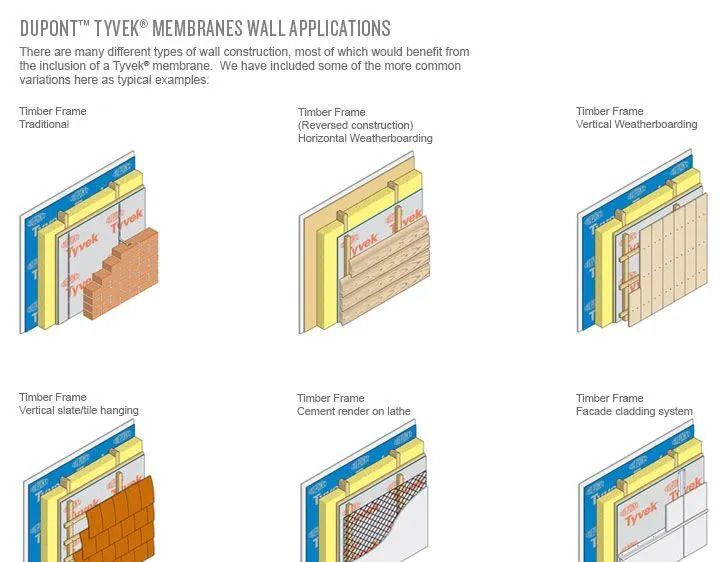
Whatcom County Planning and Development Services (PDS) issues siding permits for homes in Glacier, because Glacier is an unincorporated community and has no city building department of its own. Whether your project actually needs one depends less on the word "siding" and more on how much of the wall assembly — sheathing, weather-resistive barrier, insulation, flashing — the job touches.
Glacier sits along the Mount Baker Highway (SR 542) in unincorporated Whatcom County, which means every building permit for the area, including siding work, is handled by the same county office that covers Bellingham's unincorporated fringe, Kendall, Maple Falls, and the rest of the upper Nooksack valley. Whatcom County PDS, based in Bellingham, is the permitting authority, the plan-review desk, and the inspection scheduler all in one. There is no separate Glacier permit counter and no local shortcut — everything routes through the county.
Not every re-siding job needs a permit, and it's worth knowing where the line actually falls rather than guessing. A straight like-for-like swap — pulling off old cedar or hardboard siding and nailing up new siding of the same type over sheathing that stays in place, with no change to the weather-resistive barrier, no new insulation, and no work on window or door flashing — is treated by many jurisdictions, Whatcom County included, as minor repair that can fall under an exemption. The moment the project goes further than that, a permit is almost always required. That includes:
In practice, most full re-side jobs on an aging Glacier house end up needing a permit, because the reason homeowners re-side in the first place is usually rot, failed flashing, or a housewrap that's decades old and needs to be brought up to current standards — all of which push the project past the "exempt repair" line. A contractor who tells you no permit is needed on a full tear-off should be able to explain exactly why, in terms of what stays untouched behind the old siding.
Inspections on a permitted siding job typically happen at two points. The first, and the one crews most often forget to schedule, is a sheathing and weather-resistive barrier inspection — the county inspector needs to see the WRB, flashing, and any sheathing repairs before the new siding covers them up. Skipping this step and calling for a final inspection after everything is closed in is one of the most common ways a Whatcom County siding permit gets flagged for correction, because the inspector has no way to verify what's underneath without opening the wall back up. The second is the final inspection, which confirms the completed siding, trim, and flashing details match the approved scope. For projects that also touch insulation, PDS may check R-values against the Washington State Energy Code residential provisions at the same visit.
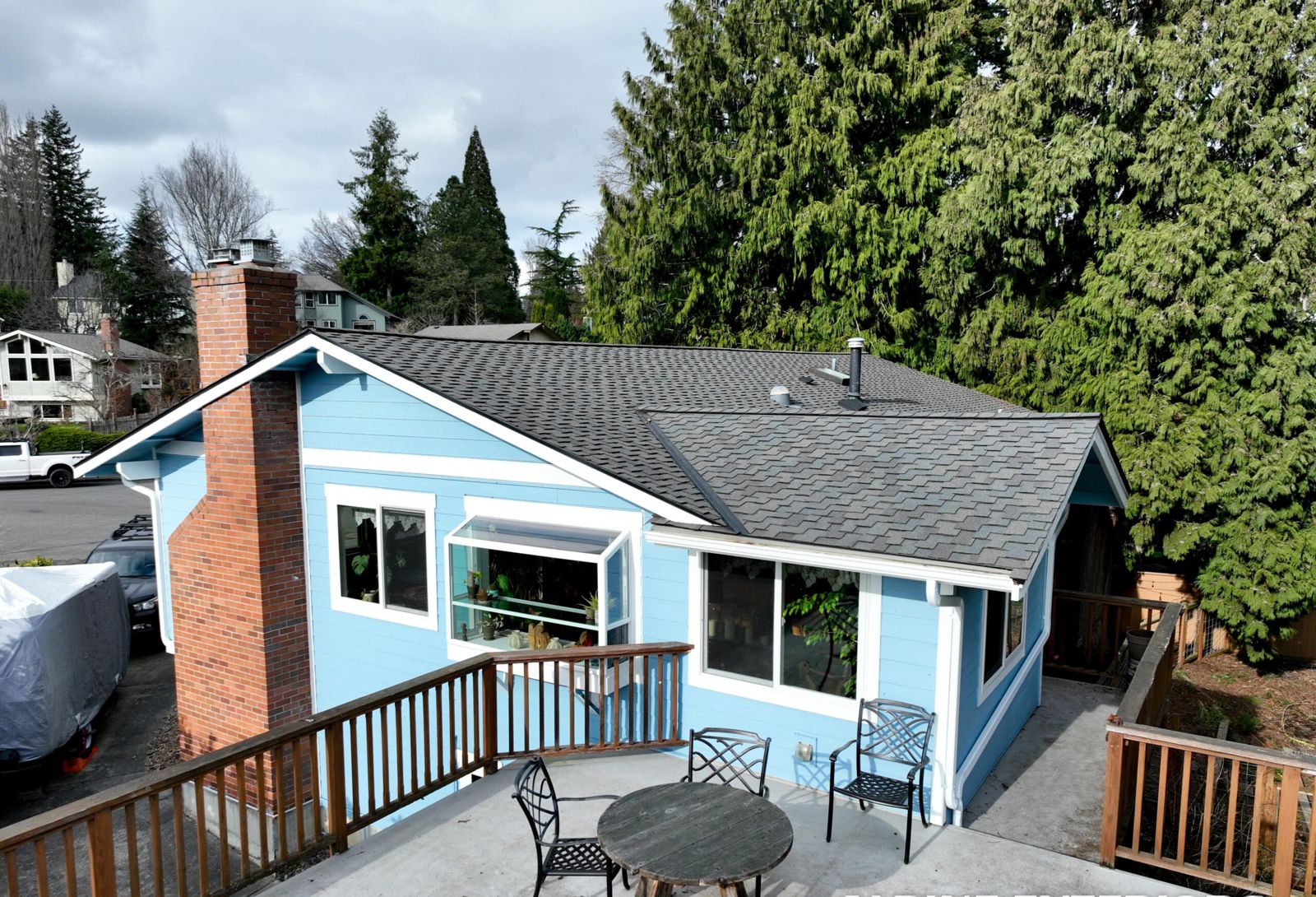
Glacier isn't Bellingham with more trees. It sits several hundred feet higher and considerably farther inland, up against the western slopes of the North Cascades, and that changes both the building conditions and the practical logistics of getting a permit done right.
The foothills get real freeze-thaw cycling in a way the immediate Bellingham Bay shoreline mostly doesn't. Water that gets behind siding or into a seam has more chances each winter to freeze, expand, and pry a joint further open before it thaws again — which is exactly why the county cares about the weather-resistive barrier inspection rather than treating it as paperwork. A wall assembly that's merely adequate on a mild winter near the water can fail faster up here. Combine that with the region's persistent rain and the deep, near-constant shade many Glacier lots get from surrounding timber, and you get siding that stays damp longer between storms — conditions that favor moss and algae growth on north-facing walls and around eaves, and that accelerate wood rot on any siding, trim, or sheathing where a gap in the housewrap lets moisture track behind the cladding instead of running off it.
Being unincorporated also has a practical effect on scheduling. Because Glacier is served by the same county inspectors who cover the rest of unincorporated Whatcom County, inspection windows can be tighter around bad weather and snow-season road conditions than they are for in-town Bellingham permits, where an inspector might do several stops in a single afternoon. Building a little slack into your project timeline for inspection scheduling, especially heading into late fall and winter, is realistic planning rather than pessimism.
One thing that doesn't apply here the way it does closer to the water: wind-driven rain off Bellingham Bay and the Strait of Georgia is a real design factor for siding on the coast and the islands, but it's not the dominant force shaping a Glacier wall assembly. Up in the foothills, the bigger risks are prolonged dampness under tree cover, freeze-thaw cycling, and snow load pressing meltwater against lower wall sections — different mechanisms, but ones that make the same underlying fix (a correctly lapped, permitted, inspected weather-resistive barrier) just as important.
Start by calling or emailing Whatcom County PDS before you sign a contract, and describe the scope in plain terms: how much siding is coming off, whether sheathing looks compromised, and whether you're planning to add insulation. A five-minute conversation with the permit desk will tell you whether your specific project qualifies as exempt repair or needs a full permit, and it puts that determination on record instead of leaving it to a contractor's assumption.
If a permit is required, confirm your contractor is pulling it in their name (or walking you through pulling it yourself) and ask them directly how they plan to handle the WRB inspection — specifically, whether they'll schedule the inspection and hold off closing in the wall until the inspector has signed off, rather than working around it. That single question separates crews who treat the inspection as a real checkpoint from crews who treat it as a formality to route around.
Ask for a written scope that specifies what happens to the sheathing and housewrap, not just the visible siding material and color. On an older Glacier home, assume there's a reasonable chance of finding rot or a failed barrier once the old siding comes off, and ask your contractor how they price that kind of discovery — a flat "we'll handle it, no change order" claim is worth being skeptical of, since sheathing repair is real added labor and material.
Finally, plan the project around the calendar. Scheduling a full re-side to start in late summer or early fall, before the wettest months and before inspection windows get squeezed by winter weather on the highway, reduces the odds of a half-finished wall sitting exposed during a stretch of rain. Alpine Exteriors sequences Glacier-area jobs with that timing in mind, and pulls the required Whatcom County permits as a standard part of the contract rather than an optional add-on, because a re-side without the WRB inspection on record is a problem that surfaces later, usually at resale or during a warranty claim, not one that goes away on its own.
No. Glacier is unincorporated, so it has no city hall or independent building department. All permitting, plan review, and inspections for Glacier addresses are handled by Whatcom County Planning and Development Services in Bellingham, the same office that covers the rest of the unincorporated county.
Sometimes, if the job is a true like-for-like swap that leaves the sheathing, weather-resistive barrier, and flashing untouched. Once the project involves new sheathing, a new housewrap, added insulation, or re-flashed windows and doors — which describes most full re-side jobs on an older house — Whatcom County PDS generally requires a permit.
It's a visual inspection of the housewrap, flashing, and any sheathing repairs before the new siding covers them, confirming the water-management layer is installed correctly and laps in the right direction. Because it happens before the wall is closed in, it's the one inspection that can't be done retroactively without removing the new siding.
It can, if the project adds or changes insulation as part of the wall assembly. A pure cosmetic re-side over unchanged insulation typically isn't an energy-code trigger, but any project that adds continuous insulation or otherwise alters the wall's thermal performance needs to meet current Washington State Energy Code prescriptive requirements, and PDS may verify that at inspection.
If you're planning a re-side in Glacier and aren't sure whether your project needs a Whatcom County permit, Alpine Exteriors can walk the scope with you, tell you honestly which category it falls into, and handle the permit and inspection scheduling as part of the job. Alpine Exteriors holds Washington contractor license ALPINI751OW and works Glacier alongside the rest of Whatcom County, from Bellingham and Ferndale down to Blaine and Birch Bay. Reach out for a straightforward look at your siding and what it will take to do the job right and on record.