
Cedar lap siding is worth it if you actually intend to maintain it, and it's not worth it if you're hoping to install it and forget about it for twenty years. In Whatcom County's wet, moss-prone climate, cedar rewards homeowners who repaint or re-stain on a schedule and punishes the ones who skip it — the wood itself isn't the weak point, upkeep is.
Cedar has been used on homes in this part of Washington for well over a century, and there's a reason it hasn't disappeared even with fiber cement and engineered wood now dominating new construction. Western red cedar is naturally resistant to decay and insects because of the extractives in its heartwood, it takes paint and stain beautifully, and it has a warmth that manufactured sidings still can't fully replicate. On a craftsman near downtown Bellingham or a farmhouse outside Lynden, cedar lap siding looks like it belongs there, because historically it did.
But naturally resistant is not the same as maintenance-free, and that's where most of the disappointment comes from. Cedar's resistance to rot comes from oils concentrated in the heartwood, and those oils gradually leach out as the wood weathers and gets wet over and over. Left unfinished or under-maintained, cedar siding in a marine climate like ours can start showing surface checking, cupping, and eventually soft spots within a decade. With a properly maintained finish — solid stain or quality paint reapplied on roughly a five-to-eight-year cycle, depending on sun exposure and which side of the house you're looking at — cedar lap siding can last several decades and often outlives the first owner's time in the house.
The honest cons: cedar costs more up front than vinyl and is usually priced above or comparable to fiber cement depending on grade and clear-versus-knotty selection. It requires a maintenance budget that doesn't exist with vinyl or fiber cement — repainting or re-staining a full house every several years is a real, recurring cost that should be planned for, not treated as optional. It's also more vulnerable to physical damage than fiber cement (woodpeckers, weed trimmers, ladders leaning against a wall), and it will eventually need occasional board replacement even under good care, especially near ground contact, under gutters that overflow, or wherever two pieces of trim create a water trap.
The honest pros: when it's maintained, cedar ages better cosmetically than most synthetic products — a repainted cedar house looks fully refreshed, where faded vinyl or chalking fiber cement often just looks tired. It's a renewable, biodegradable material, individual boards are easy to repair without disturbing whole panels, and it holds real value with buyers who specifically want a wood-sided home rather than tolerate one.
Whatcom County isn't a generic rainy market — the specific pattern of moisture here is what determines whether cedar succeeds or fails on a given house, and it's worth being precise about it.
None of this makes cedar a bad choice for Whatcom County. It makes cedar a choice that has to be paired with the right detailing and the right maintenance habits for this specific climate, rather than treated the way it might be treated somewhere drier.
Start with an honest assessment of your own tolerance for upkeep, because that answer matters more than any product spec sheet. If a five-to-eight-year repaint cycle sounds like a reasonable thing to plan for and budget, cedar is a strong option, especially on a home where the architecture calls for a wood look — craftsman bungalows, farmhouses, and older Bellingham neighborhoods all wear cedar well. If you want to install siding once and not think about it again, cedar is the wrong material regardless of how the climate factors shake out, and fiber cement or a quality engineered wood product will serve you better.
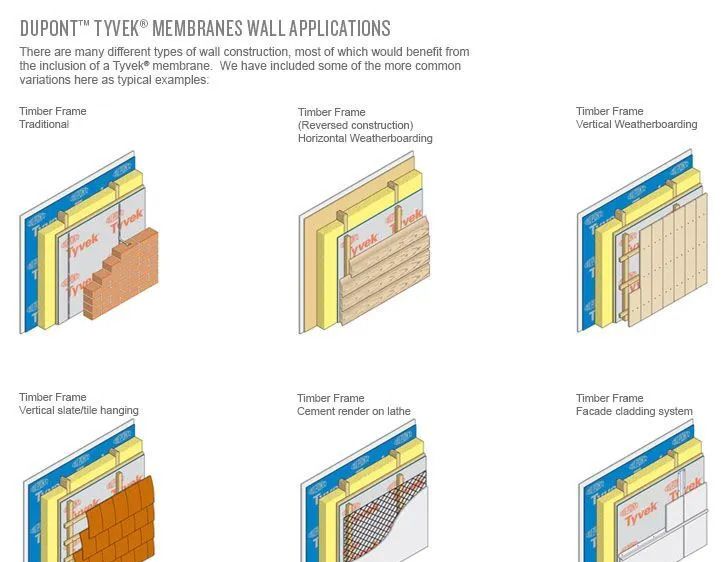
If you do go with cedar, a few things matter more here than they would in a dry climate. Insist on back-primed or fully sealed boards, not just face-primed ones, since the unfinished back of a board sitting against a water-resistive barrier in a wet climate is a common early failure point. Make sure flashing at windows, doors, and any horizontal trim is detailed to shed water outward, not just caulked and hoped for. Confirm the wall assembly meets Washington State Energy Code requirements — the right water-resistive barrier, a correct drainage plane behind the siding, and insulation values appropriate to our climate zone, since siding is only one layer of a wall system that also has to manage moisture and heat loss correctly. And plan the maintenance schedule before the siding goes up, not after the first sign of peeling — know roughly when you'll need to wash off moss and algae, when you'll need to recoat, and budget for it the way you'd budget for a roof.
Alpine Exteriors installs and repairs cedar lap siding across Whatcom County, and part of that work is being straightforward with homeowners in Bellingham, Ferndale, Lynden, Blaine, Birch Bay, and Sudden Valley about whether cedar fits their situation before any material gets ordered. Sometimes that conversation ends with cedar going up. Sometimes it ends with a homeowner choosing fiber cement instead because their honest answer is that they don't want a repainting schedule — and that's a legitimate outcome of the same conversation.
Most cedar siding in Whatcom County needs a fresh coat of solid stain or paint every five to eight years, though sun-exposed and wind-driven-rain-exposed walls — like waterfront elevations in Blaine or Birch Bay — often need it on the shorter end of that range, while sheltered, shaded walls can sometimes stretch longer. The real trigger isn't a calendar date so much as visible signs: dulling, chalking, or the first spots where the finish has worn through to bare wood.
Not on the flat face of a well-finished board, but the persistent drizzle, moss growth, and wind-driven rain off Bellingham Bay and the Strait do accelerate problems at weak points — unsealed end grain, poorly flashed trim, and areas where moss or algae hold moisture against the wood. A cedar installation detailed for this climate holds up well; one that isn't will show trouble sooner here than it would in a drier region.
Cedar's material and installation cost is generally higher than vinyl and is often comparable to or above fiber cement, depending on grade, but the bigger cost difference over the life of the siding is maintenance — cedar needs a recurring paint or stain budget that vinyl doesn't need at all and fiber cement needs far less often. Exact pricing depends on the grade of cedar, the size and complexity of the home, and current material costs, so it's worth getting a specific quote rather than assuming a number.
One advantage of lap siding generally, cedar included, is that individual boards can usually be cut out and replaced without disturbing the rest of the wall, as long as the surrounding boards and the underlying water-resistive barrier are still sound. Rot found early — at a windowsill, a butt joint, or a spot where a gutter has been overflowing — is typically a board-level repair, not a whole-wall project, which is part of why catching problems early matters.
If you're weighing cedar lap siding against the alternatives for a home in Bellingham, Ferndale, Lynden, Blaine, Birch Bay, Sudden Valley, or elsewhere in Whatcom County, Alpine Exteriors can walk your specific house — its exposure, its trim details, its sun and wind sides — and give you a straight answer on what will actually hold up and what it will cost to maintain. Alpine Exteriors is licensed in Washington under contractor license ALPINI751OW. Reach out for an on-site assessment before you commit to a material.