
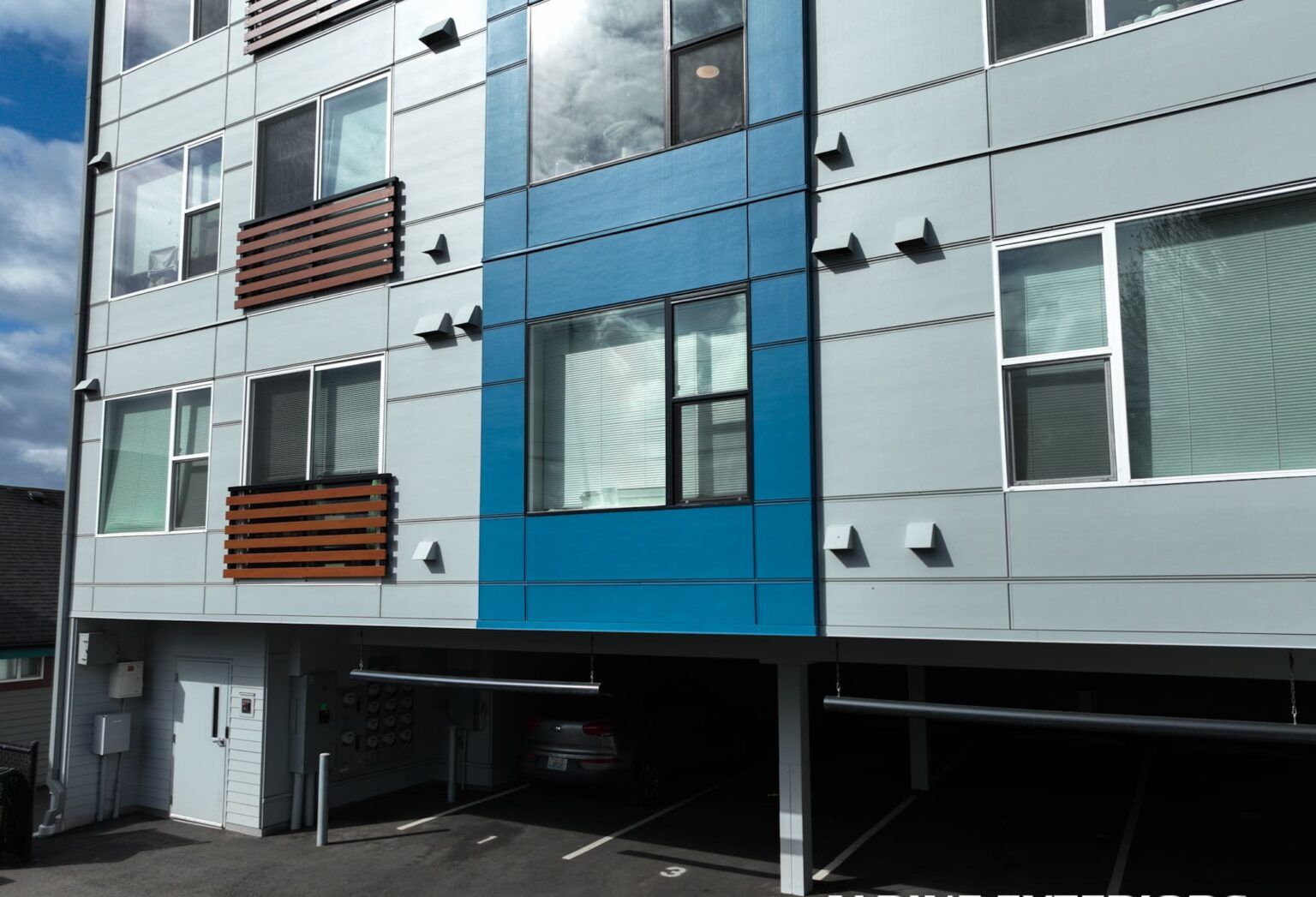
Lummi Island homes are governed by the same Washington State Building Code that covers the rest of Whatcom County, but the island's open-water exposure pushes the wind design values higher than a comparable house a few miles inland in Bellingham. In practice, that means the siding on a Lummi Island home has to be installed to a wind performance rating that matches the site's actual exposure, with fastening and flashing details that a Whatcom County inspector will check line by line before signing off.
Washington's residential building code is an amended version of the International Residential Code, and it treats exterior wall covering — siding, in plain terms — as a product that has to be installed according to whatever the manufacturer's tested installation instructions say, unless the code itself spells out a prescriptive method. That single fact does a lot of work on a project like this. It means the "approval" for a given siding product on Lummi Island isn't a state stamp on the material itself; it's the combination of a product that's been tested and rated for a wind pressure at or above what the site requires, installed exactly the way the manufacturer's instructions say, with the fastener type, spacing, and embedment the manufacturer specifies for that wind exposure. Vinyl siding, for example, is manufactured and labeled to a recognized industry standard (ASTM D3679) that includes wind load testing, and the printed literature for a given profile will state the wind pressure it's rated to hold at a given fastener spacing. Fiber cement and engineered wood products carry their own manufacturer installation guides and, in many cases, an ICC-ES evaluation report documenting how the product performs under load. An inspector checking a Lummi Island job isn't inventing extra requirements — they're confirming that the product actually installed matches the rating the site needs, and that it was fastened the way its own paperwork says it has to be.
Because Lummi Island is unincorporated, permitting runs through Whatcom County Planning & Development Services rather than a city building department. That's a meaningful difference from projects in Bellingham or Ferndale, where the city handles review directly. County review timelines can run longer during summer permitting season, and because the island itself has no building department presence, an inspector has to schedule a ferry crossing to get to the site — which means inspection windows are narrower and rescheduling a missed inspection costs more than a phone call.
Wind design for residential construction in Washington is based on the ASCE 7 standard, which assigns a site an "exposure category" describing how exposed it is to open terrain, water, or shoreline. A house tucked into a wooded lot in Sudden Valley or Lynden typically falls into a more sheltered exposure category than a house sitting on a bluff or shoreline lot on Lummi Island, where there's unobstructed fetch across Hale Passage, Rosario Strait, or the open water toward the Strait of Georgia. That open exposure means sustained wind loads and gusts hit the building envelope harder and more often, and it means wind-driven rain — rain pushed sideways into a wall assembly rather than falling straight down — is a routine condition on the island's west- and south-facing elevations, not an occasional storm event.
Wind-driven rain is the real driver behind most of the siding failures Alpine Exteriors sees on island and shoreline properties: not the siding blowing off, but water getting behind it. Lap siding installed with the wrong overlap, house wrap that's lapped upside-down or taped incorrectly at seams, or flashing that was skipped at a window head because "it's not that big a wall" will hold up fine on a sheltered lot for years and fail fast on an exposed Lummi Island elevation, because the water pressure driving moisture behind the cladding is simply higher and more constant. Add in the persistent gray-sky rainfall pattern typical of the San Juan and Whatcom County islands, and you get the conditions that grow moss and algae on north-facing siding and roof-adjacent trim, and that rot sheathing and trim boards quietly for years before a homeowner notices staining or soft wood at a corner board.
One thing worth saying plainly, because a lot of regional guidance gets this wrong: freeze-thaw cycling, which is a real concern for foundations and masonry in the Mount Baker foothills and higher-elevation parts of the county, is a minor factor on Lummi Island itself. The island sits at sea level with a maritime climate moderated by surrounding water, so hard freezes are infrequent and brief. The dominant structural load on siding here is wind, and the dominant moisture threat is sustained wind-driven rain and humidity, not repeated freezing and thawing of trapped water in the wall assembly. A siding plan built around foothill freeze-thaw assumptions is solving the wrong problem for this site.
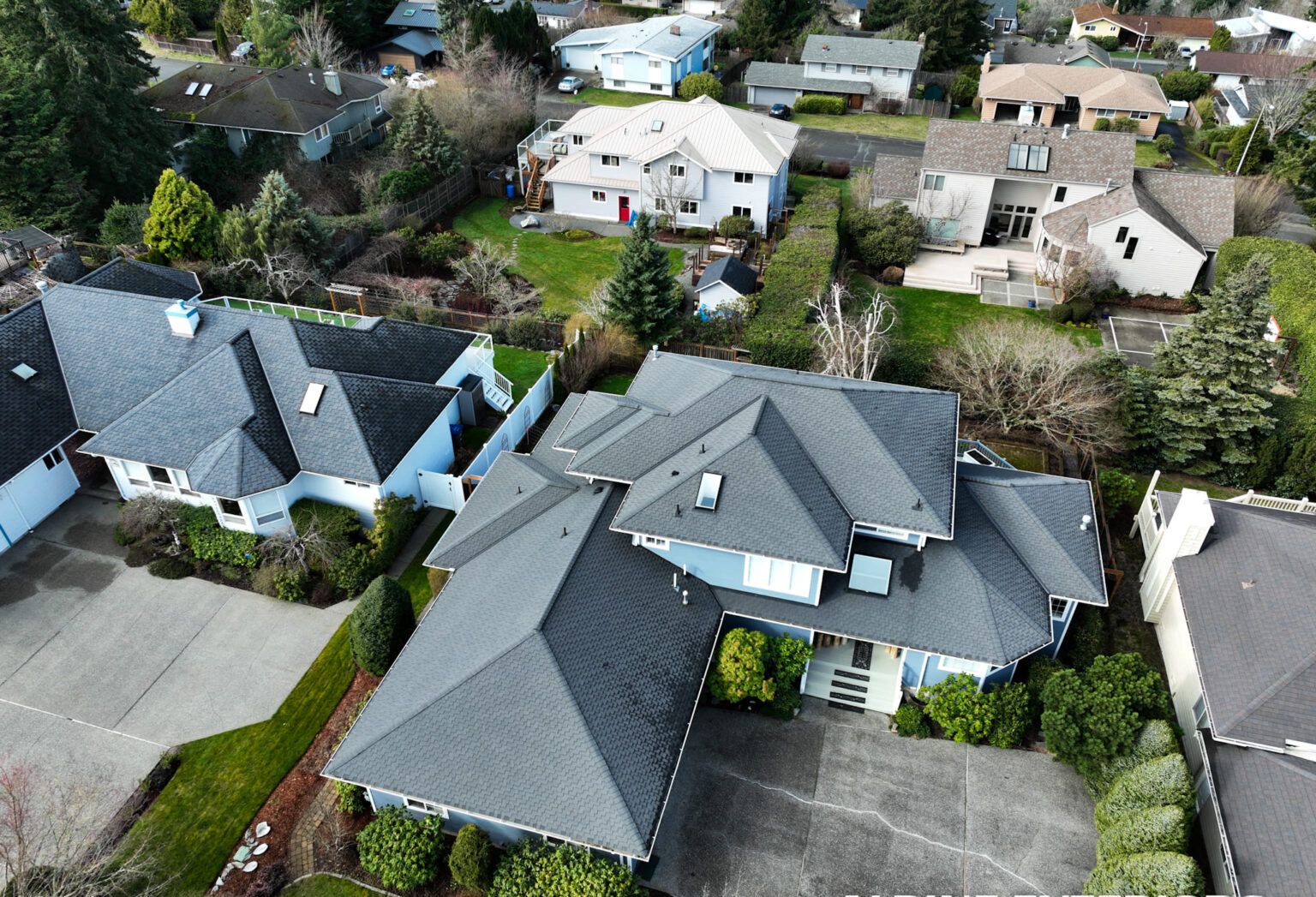
The practical steps that matter most on a project like this aren't complicated, but they get skipped often enough that they're worth spelling out plainly.
On material choice specifically, there isn't one right answer — it depends on the home, the elevation's exposure, and the budget. The comparison below reflects general characteristics relevant to this region; actual wind ratings vary by specific product and profile, and should always be confirmed against the manufacturer's current documentation rather than assumed from the material type alone.
| Material | Wind performance | Moisture / moss resistance | General cost range |
|---|---|---|---|
| Vinyl (heavier-gauge, wind-rated profiles) | Good when installed with manufacturer-specified fastener spacing; lighter-gauge products underperform on exposed elevations | Won't rot, but can trap moisture behind it if house wrap and flashing details are wrong | Lower to mid range |
| Fiber cement | Strong when fastened per manufacturer instructions; heavier and less prone to wind-driven flutter | Resists rot and moss better than wood, but needs paint/coating maintenance in a wet climate | Mid range |
| Cedar and other wood siding | Adequate when properly fastened, but more sensitive to installation quality | Most vulnerable to rot and moss without diligent maintenance and finish upkeep | Mid to higher range |
Alpine Exteriors works through these decisions with island and shoreline homeowners regularly, and the honest answer is that the "best" material is the one matched correctly to that specific wall's exposure and installed with the flashing and fastening details done right — not necessarily the most expensive option on the shelf.
Yes, in effect. The same statewide code applies everywhere in the county, but the wind design values under ASCE 7 are tied to a site's exposure category, and shoreline and open-water-facing lots on Lummi Island commonly land in a more exposed category than a sheltered lot in Bellingham or Lynden. That means the siding product and fastening schedule that pass inspection on one lot might not be adequate on another, even within the same county.
There's no single state-approved list the way there is in some hurricane-prone states. Instead, a product is acceptable when its manufacturer's tested wind load rating — documented through standards like ASTM D3679 for vinyl or an ICC-ES evaluation report for fiber cement and engineered products — meets or exceeds what the site's exposure requires, and it's installed exactly to that manufacturer's instructions, including fastener type and spacing.
In most cases, yes, particularly if the work involves removing siding down to the sheathing, replacing house wrap, or changing the type of siding. Because the island is unincorporated, permits are handled through Whatcom County Planning & Development Services rather than a city office, and it's worth confirming permit requirements and inspection scheduling early, since inspectors have to plan a ferry crossing to reach the site.
The Washington State Energy Code governs the insulation and air-sealing performance of the wall assembly behind the siding, not the siding's wind rating itself, but the two interact. Adding continuous insulation or furring strips to meet current energy code requirements changes the wall's overall thickness, which changes the fastener length needed to properly anchor the siding through to structural framing — a detail that has to be worked out correctly, not left to whatever fastener happened to be on hand.
Getting siding right on an exposed Lummi Island lot means matching the product to the site's real wind exposure, getting the water management details right the first time, and working through Whatcom County's permit and inspection process without losing weeks to a missed ferry window. Alpine Exteriors, licensed in Washington under contractor license ALPINI751OW, has worked on homes across Whatcom County's shoreline and island properties and can walk you through what your specific lot actually requires before any material gets ordered. If you're planning a re-side on Lummi Island, Bellingham, Ferndale, or anywhere else in the county, reach out to Alpine Exteriors for a straightforward assessment of what your home needs and what it will realistically take to get it done right.