
Most siding damage on Lummi Island is repairable if it's caught early and stays confined to a small area — a cracked lap board, a soft patch of rot at a corner post, a handful of missing or curled cedar shakes. Once moisture has been tracking behind more than two or three panels, or the damage traces back to a failed flashing detail rather than a single impact, patching that one spot usually isn't enough, and replacing the affected section of wall is the more honest fix.
Siding fails on Lummi Island homes in a fairly predictable set of ways, and knowing which one you're looking at changes the answer. The first is straightforward physical damage: a wind-thrown branch, a ladder set carelessly against a wall, or a piece of shake that's simply reached the end of its service life and split along the grain. This kind of damage is usually a clean repair — pull the damaged piece, slide in a matching replacement, reseal the joints, done.
The second, and more common, category is moisture damage. Whatcom County gets a long, wet fall-through-spring stretch, and on an island surrounded by Hale Passage and Rosario Strait, siding takes on moisture from both the sky and the air. Water finds its way in through nail holes that have backed out, caulk joints that have shrunk and cracked, or — most often — flashing that was never installed correctly around a window, door, or deck ledger in the first place. Once water gets behind the siding, it doesn't dry out quickly in this climate, and the sheathing or framing underneath starts to soften. By the time a homeowner notices a soft spot when they press on the wall, or sees paint bubbling and lifting, the rot has usually traveled further than the visible damage suggests.
The third category is cosmetic but still worth addressing: moss, algae, and lichen growth on shaded, north-facing walls and anywhere siding sits close to overhanging trees. This isn't structural damage on its own, but it holds moisture against the siding surface and accelerates the rot process underneath if it's left to build up for years. A wall that's green and fuzzy isn't necessarily failing, but it's aging faster than it should.
Deciding between repair and replacement comes down to how far the problem has spread and what's causing it. Alpine Exteriors typically pulls a few boards or shakes around any visible damage to check the sheathing and framing before quoting a job, because guessing at the extent of hidden rot from the outside is how homeowners end up paying for the same repair twice.
| Situation | Usually a repair | Usually a replacement |
|---|---|---|
| Cause of damage | Impact, isolated shake failure, minor caulk gaps | Chronic flashing failure, long-term moisture intrusion |
| Extent | One to a few boards or shakes | A full wall section, corner, or multiple walls |
| Sheathing condition | Firm, dry when probed | Soft, spongy, or visibly rotted |
| Age of surrounding siding | Under roughly 15–20 years, still sound | Original siding is near end of life anyway |
Lummi Island's siding problems aren't generic Pacific Northwest wear — a handful of things specific to this island and to Whatcom County shape how damage happens and how a repair should be done.
The island sits fully exposed to wind-driven rain coming off Bellingham Bay and the Strait of Georgia, with less tree-cover buffering than you'd find on more sheltered inland lots around Bellingham or Lynden. That means the west- and south-facing walls of island homes take rain nearly horizontally in a winter storm, which pushes water into any gap a mainland home in a more sheltered spot might tolerate for years without issue. Fastener corrosion is also more of a factor this close to saltwater — nail heads and metal flashing on older homes can rust and fail years before they would inland, which is worth checking even when the siding itself looks fine.
Persistent rain and shade from evergreens keep humidity high against north- and east-facing walls for much of the year, which is why moss and algae growth shows up faster here than in drier parts of the state. It's cosmetic until it isn't — left alone long enough, it keeps the wood damp enough, long enough, to start the rot process underneath.
Logistics matter here too, in a way they don't on the mainland. Lummi Island is reached only by the Whatcom County ferry from Gooseberry Point, and that changes how a repair job gets scheduled and supplied. Material orders need to be planned around ferry sailings and load limits, and a contractor who hasn't worked on the island before can lose a full day just moving crew and materials back and forth. It's worth asking a contractor directly whether they've done island work before scheduling, since ferry timing can turn a two-day repair into a four-day one if it isn't planned for.
Freeze-thaw cycling, which drives a lot of siding failure in the Whatcom County foothills around Sudden Valley and Deming, is a smaller factor here — the island's marine exposure moderates winter temperatures more than inland areas see. That's a real advantage for Lummi Island siding compared to foothill properties, even with the heavier wind and rain exposure.
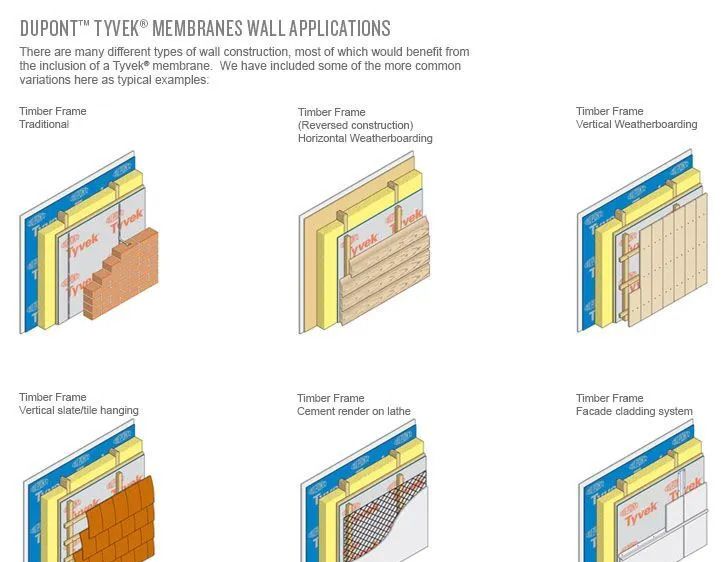
Finally, any new siding installed or replaced on the island still has to meet the Washington State Energy Code, which sets minimum requirements for the wall assembly's continuity of the water-resistive barrier and insulation values behind the cladding. A repair that only patches the visible siding without restoring the house wrap or flashing detail underneath isn't just a cosmetic shortcut — it can leave the wall assembly out of compliance with what the code intends, even if no permit was pulled for the specific patch.
Start with a close look at the wall, not just a glance from the yard. Press on any area that looks stained, has peeling paint, or sits below a window or deck ledger — these are the spots where flashing failures show up first. If the wood gives at all under moderate pressure, there's very likely rot behind it, even if the siding face still looks intact.
Next, figure out the cause before agreeing to any fix. A repair that replaces damaged boards without correcting the flashing or caulk joint that let water in will fail again, usually within a season or two, in this rainfall pattern. It's worth asking a contractor to explain specifically what let the water in, not just what they're going to replace.
Matching existing siding is its own challenge on older Lummi Island homes. Cedar shakes and lap siding weather and gray over time, so a brand-new replacement piece will stand out until it's had a season or two outside — that's normal and not a sign of a bad repair. The bigger issue is when the original siding profile, reveal, or material has been discontinued; in that case, the practical options are sourcing reclaimed or custom-milled material to match, or accepting that a visible seam between old and new sections is the tradeoff for a partial repair instead of a full re-side. Alpine Exteriors walks homeowners through those tradeoffs honestly rather than promising an invisible match that isn't realistic on an older product line.
Get a written scope before work starts, including whether the quote covers opening up the wall to inspect sheathing, and what happens if hidden rot turns out to be worse than expected. On an island job, also confirm how material delivery and ferry scheduling are handled, since that affects both the timeline and, sometimes, the cost.
Repair costs on Lummi Island vary widely depending on how much sheathing and framing repair is involved, not just the siding itself — a small cosmetic patch might run a few hundred dollars, while a wall section with rotted sheathing and framing repair can run well into the thousands. Anyone quoting a flat number without inspecting the wall first is guessing.
Cosmetic weathering — graying, minor cracking, or moss on the surface — doesn't give when you press on it. Rot leaves the wood soft, spongy, or crumbly under moderate hand pressure, and it's often accompanied by a musty smell or dark staining that spreads beyond the immediate area. If you're not sure, it's worth having someone pull a board in the suspect area rather than guessing from the outside, since rot frequently extends further than it looks.
On its own, a light coating of moss or algae is mostly cosmetic. The problem is what it does over time — it holds moisture against the siding surface on shaded walls that already stay damp longer in this climate, and that sustained dampness is what eventually starts rot in the wood underneath or in the sheathing behind it. A wall that's been heavily mossed for several years deserves a closer look, even if the siding itself still looks structurally fine.
Not perfectly, and it's worth expecting that upfront. Weathered cedar and older lap siding change color and texture over years outside, so any new piece will look slightly different until it's had a season or two to weather in. If the original profile or material has been discontinued, matching gets harder still, and the realistic choices are sourcing similar reclaimed material, custom-milling a match, or accepting a visible transition between old and new sections.
It can, if the contractor hasn't planned for it. Materials and crew both have to move on and off the island via the Whatcom County ferry from Gooseberry Point, and sailing schedules and load limits can add time to a job that would move faster on the mainland. Asking a contractor how they plan to handle ferry logistics before the job starts is a fair question, and one that experienced island contractors should be able to answer specifically.
If you're looking at damaged, stained, or aging siding on a Lummi Island home, the most useful next step is an in-person inspection rather than a guess from a photo. Alpine Exteriors is a licensed Washington contractor (ALPINI751OW) serving Whatcom County, including Lummi Island and the rest of the islands, and can walk your walls with you, open up the affected area if needed, and give you a straight answer on whether you're looking at a repair or a replacement before any work starts.