
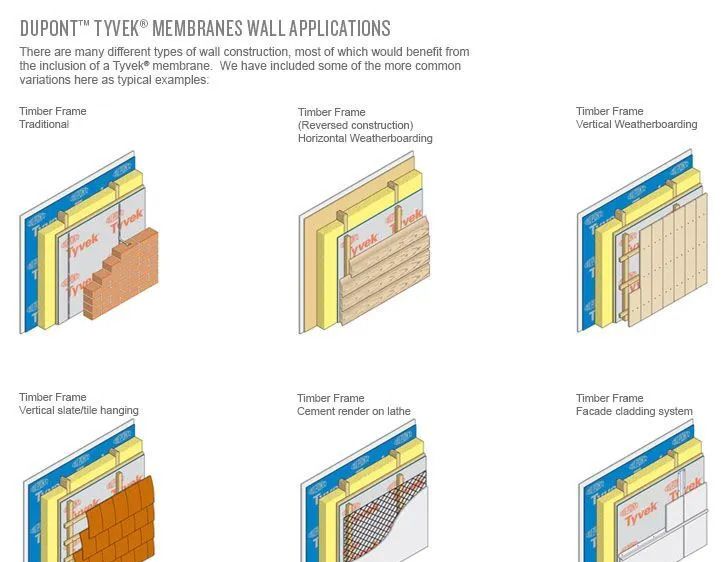
In Sumas, building permits for exterior work are issued by the City of Sumas building department, not directly by Whatcom County — Sumas is an incorporated city with its own permitting authority, even though it's small enough that it leans on contracted plan reviewers and inspectors to get the work done. Whether your siding job needs a permit at all depends on scope: a straight re-side with like-for-like materials on the same sheathing is often exempt from a full building permit in many Washington jurisdictions, but the moment the job touches sheathing, structural framing, window and door flashing, or adds insulation and a new water-resistive barrier, you're almost always past the exemption line.
Sumas is one of the smallest incorporated cities in Whatcom County, tucked right against the Canadian border along Highway 9. Because its permanent staff is thin, the City typically contracts out plan review and inspection services rather than running a full in-house building department the way Bellingham does. That doesn't mean the process is looser — it means you should call City Hall first to confirm exactly who is doing plan review that month and what their current turnaround time looks like, because staffing and contractors can shift. Don't assume the same office that handled your neighbor's permit two years ago is still the one reviewing applications today.
The trigger for a permit is almost never "I'm putting new siding on my house" in the abstract — it's what the scope of work actually does to the building envelope. A cosmetic panel swap over intact, code-compliant sheathing and flashing can sometimes proceed without a permit under the residential exemption list many Washington cities adopt from the International Residential Code. But most re-sides in this part of the state aren't cosmetic swaps. If your crew is stripping down to the studs, replacing rotted sheathing, re-flashing windows and doors, or adding rigid foam insulation to hit current energy code targets, that's construction work affecting the structure and the building envelope, and it needs a permit reviewed against the Washington State Energy Code and the adopted residential building code. Adding house wrap or a new drainage plane behind the cladding is also the kind of change an inspector wants to see before it's covered up, because once siding goes back on, nobody can verify the water-resistive barrier lapped correctly without tearing it open again.
Inspections for a siding permit in a small city like Sumas usually happen in two passes: a rough-in or sheathing/weather-barrier inspection before the new siding goes on, and a final inspection once the job is buttoned up. The rough-in visit is the one that actually matters for long-term performance — it's when the inspector checks that flashing at windows, doors, and penetrations is lapped shingle-style so water sheds outward instead of behind the cladding, and that any required weather-resistive barrier is installed per manufacturer instructions. The final inspection confirms the finished product matches what was permitted: correct clearances at grade, proper termination details, and that nothing structural was quietly changed along the way.
Sumas sits inland from Bellingham Bay in the Nooksack River valley, close enough to the foothills that winter brings sharper freeze-thaw cycles than you'd see right on the water in Blaine or Birch Bay. That matters for siding permits because inspectors here are watching for water management details that hold up through repeated freezing and thawing, not just a single hard freeze. Trapped moisture behind siding in Whatcom County doesn't just cause a stain — over a wet fall and winter it feeds wood rot and, given how reliably damp the air stays, moss and algae growth on anything shaded or north-facing. A permit review that catches a missing flashing detail or an undersized weep gap before the wall is closed up is cheaper than the repair six years later.
Wind-driven rain is part of the equation too, even this far from the open water of the Strait of Juan de Fuca. Storms that push moisture sideways off Bellingham Bay still reach inland, and lap siding, board-and-batten, and fiber cement all perform differently under sustained wind-driven wetting than they do under a simple vertical downpour. This region does not deal with hurricane-force wind loads, and Sumas permit reviewers aren't checking against wind-borne debris or missile-impact standards the way a coastal Gulf or Atlantic jurisdiction would — the concern here is chronic, low-grade moisture intrusion over years, not a single catastrophic wind event. That shapes what an inspector actually cares about: continuous drainage planes, correct flashing laps, and enough ventilation behind the cladding to let incidental moisture dry out.
The Washington State Energy Code is the other piece that's easy to overlook. Any permit that involves opening up the wall — removing siding down to the sheathing, for instance — is a natural point where the code pushes toward improved insulation values, whether that's continuous exterior foam or an upgraded water-resistive barrier assembly. A straightforward re-side that doesn't touch the wall assembly generally isn't required to bring the whole wall up to current energy code, but once you're already exposing the sheathing for repair, it's worth asking your contractor what it would take to add insulation while everything's open, since doing it later means tearing the same wall apart twice.
Start by calling the City of Sumas directly before any work begins and describe the scope in plain terms: are you replacing siding over existing sheathing, or is sheathing, flashing, or insulation part of the job? That single question determines whether you're filing a permit application or not, and getting it wrong in either direction causes problems — proceeding without a required permit can mean a stop-work order mid-project, while assuming you need a full permit for a simple exempt re-side just adds delay and cost you didn't need to carry.
Alpine Exteriors pulls permits as a routine part of siding jobs that require them and handles the back-and-forth with the City of Sumas so you're not the one chasing down a contracted plan reviewer. That includes scheduling the rough-in inspection before siding closes up the wall and being present for the final walkthrough. It's not glamorous work, but skipping it is how homeowners end up with rot behind new siding a few winters later, discovered only when the wall is opened up again.
No. A straightforward re-side that leaves the existing sheathing, flashing, and structure untouched is often exempt under the residential permit exemption lists most Washington cities use, including Sumas. The exemption disappears as soon as the scope includes sheathing repair, new flashing at openings, structural framing changes, or added insulation, since those are the elements inspectors need to verify before the wall is closed up.
The City of Sumas issues the permit, but because it's a small city, plan review and inspections are often handled by contracted staff rather than a large in-house building department. That's normal for a city this size, but it means you should confirm directly with City Hall who's currently doing the review and what their scheduling looks like before you count on a specific timeline.
The rough-in inspection focuses on the water-resistive barrier and flashing at windows, doors, and any wall penetrations — making sure everything laps correctly so water sheds outward rather than getting trapped behind the cladding. The final inspection confirms the completed work matches the permit, including proper clearance at grade and correct termination details, both of which matter for keeping moisture and eventual wood rot out of the wall assembly in a climate this wet.
It can, if the scope opens up the wall assembly. Permits that involve sheathing repair or replacement are a natural point where the energy code pushes toward improved wall insulation, whether through continuous exterior foam or an upgraded barrier system. A simple re-side that doesn't expose the sheathing generally isn't required to bring the whole wall up to current energy code standards, but it's worth discussing with your contractor if the wall is already open.
If you're planning a siding project anywhere in Sumas or elsewhere in Whatcom County, Alpine Exteriors (WA contractor license ALPINI751OW) can walk the scope with you, tell you plainly whether it's likely to need a City of Sumas permit, and handle the application and inspection scheduling if it does. We work across the county from Bellingham and Ferndale out to Lynden, Blaine, Birch Bay, Sudden Valley and the islands, so we know how each jurisdiction's process tends to run. Reach out for a straightforward look at your project before the first panel comes off the wall.