
Nooksack sits at the base of the foothills along the Nooksack River, close enough to the Sumas Gap that cold air funneling down from the Fraser Valley reaches the town in winter, and far enough inland from Bellingham Bay that the freeze-thaw swings feel different than they do on the waterfront. That combination matters when you're planning a siding replacement. Homes here deal with the same relentless fall-through-spring rain as the rest of Whatcom County, plus moss and algae growth on north- and east-facing walls that never fully dry out between storms, plus a higher chance of a hard overnight freeze following a wet stretch. Old siding that's been absorbing moisture for years is exactly the kind of assembly that fails when it freezes.
For a typical single-family home in the 1,800 to 3,200 square foot range, the actual on-site installation — tear-off through final trim — usually runs five to ten working days once crews are on site and the weather cooperates. The word "once" is doing some work in that sentence. Whatcom County averages a lot of rain days between October and April, and a crew can't safely install fiber cement or hang new house wrap in a downpour, so a project that would take a week in August can stretch to two or three calendar weeks in January. From first call to final walkthrough — including estimating, permitting, material ordering, and the install itself — most Nooksack homeowners should plan on six to ten weeks, longer if a custom color or a less common material is on order.
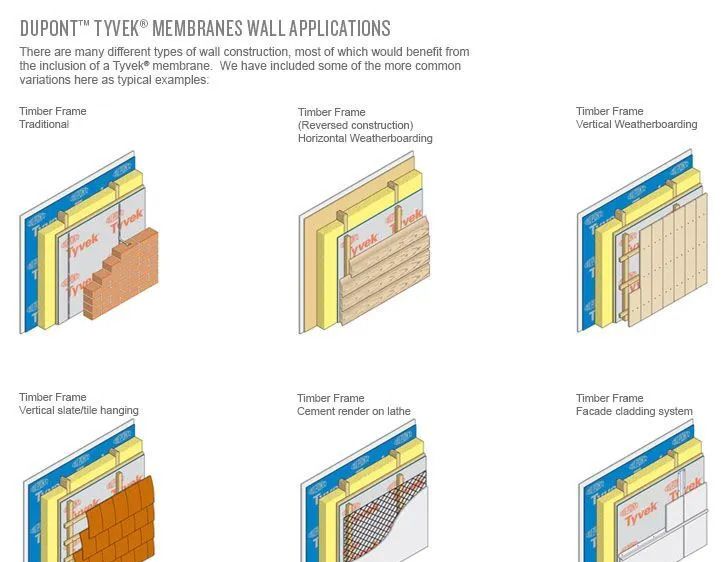
Nooksack is a small incorporated city, and siding replacement typically requires a building permit either through the City of Nooksack or Whatcom County depending on the exact parcel and scope of work — this is worth confirming before a contract is signed, not after. If the project involves stripping siding down to the sheathing (common when there's rot or when switching materials), the Washington State Energy Code comes into play. Once a wall assembly is opened up, code often requires bringing the wall's water-resistive barrier and, in some cases, insulation up to current standards rather than simply matching what was there. A licensed contractor should walk you through what triggers that requirement on your specific house rather than assuming it either does or doesn't apply.
If your property is inside one of the newer subdivisions near Nooksack rather than on an older agricultural lot, check whether an HOA or covenant governs exterior colors or materials. Some require board approval before any siding change, and that approval can take longer than the permit itself if the board only meets monthly.
Material lead times are the other piece people underestimate. Vinyl siding in common colors is often stocked regionally and can arrive in a week or two. Fiber cement products, especially in a factory-finished color outside the standard palette, can take four to eight weeks from order to delivery. Engineered wood siding lead times vary by manufacturer and finish. None of this is unique to Alpine Exteriors — it's an industry-wide supply reality — but it's the single biggest reason a siding project's calendar looks longer than the install itself.
Once permits are approved and material is on site, the work generally proceeds in this sequence:
A few days before crews arrive, move vehicles away from the work area and trim back shrubs, hedges, or tree branches touching the walls — anything closer than a few feet slows the crew down and risks damage to the plant. Take down anything mounted on the exterior that you want to keep intact: address numbers, wall-mounted lights, security cameras, hose reels, and hanging planters. Expect noise, some dust, and foot traffic around the perimeter of the house for the duration of the job, so plan accordingly for pets, small children, and anyone working from home with video calls. If exterior outlets are being used by the crew, mention any that are on sensitive circuits. Interior walls generally aren't affected, but if your home has old, uninsulated walls, some homeowners notice a temporary draft difference once old siding is stripped and before new material goes up.
Each day should end with the site reasonably clean — offcuts bagged, driveways swept, and debris kept away from areas where kids or pets play. Before the crew leaves the job for good, a magnetic nail sweep of the lawn and driveway is a basic step that shouldn't be skipped, since dropped fasteners are a real hazard for bare feet, mower blades, and tires. Once the city or county building inspector signs off on the permit, the final step is a walkthrough with the homeowner — checking caulk lines, trim, color match, and any areas of the yard or landscaping that need to be restored. This is the time to point out anything that doesn't look right, not weeks later.
New siding still needs a small amount of ongoing attention in this climate. Because moss and algae growth is a fact of life in Whatcom County's wet, shaded conditions, an annual gentle wash — low-pressure water and a soft brush, not a pressure washer aimed directly at seams — keeps growth from taking hold on north-facing walls. Keep gutters clear so water isn't sheeting down the siding face during heavy rain, and keep vegetation pulled back a few inches from the wall so airflow can dry the surface between storms. Caulking at trim joints and penetrations should be checked yearly and touched up before it fails, since a small gap left alone through a wet Whatcom County winter can let moisture behind the siding.
Material warranties vary by manufacturer and are typically prorated over time; ask for the specific warranty document for whatever product goes on your home rather than relying on a verbal summary. Separately, Alpine Exteriors backs its own installation labor with a workmanship warranty, which covers issues tied to how the work was installed rather than the product itself. Ask for both in writing before the job starts.
For most Nooksack homes, five to ten working days is typical, but that assumes reasonably dry weather. Whatcom County's wet season can add days or, in a bad stretch, a couple of weeks, since siding and house wrap installation shouldn't happen in active rain.
Sometimes, and it's more common on older homes or ones that had wood or aging composite siding. Persistent rain and moisture that gets trapped behind siding over years is the usual cause. Any rotten sheathing or framing found during tear-off should be replaced before new siding goes on — it's not something to paper over.
In most cases, yes, whether through the City of Nooksack or Whatcom County depending on your parcel. If the project opens up the wall assembly, the Washington State Energy Code may also require updates to the water-resistive barrier or insulation, which is worth clarifying with your contractor before work begins.
It can, but the schedule gets less predictable. Cold, wet weather and the occasional hard freeze that follows a rainy stretch near the foothills can push installation days around. Many homeowners choose to time projects for late spring through early fall for a smoother schedule, though winter installs do happen.
If you're weighing a siding replacement in Nooksack or anywhere else in Whatcom County, Alpine Exteriors can walk your property, point out what's likely hiding under the existing siding, and give you a realistic schedule based on material lead times and the season. Alpine Exteriors holds Washington contractor license ALPINI751OW — ask to see it, and ask any contractor you're considering for theirs before signing anything.