
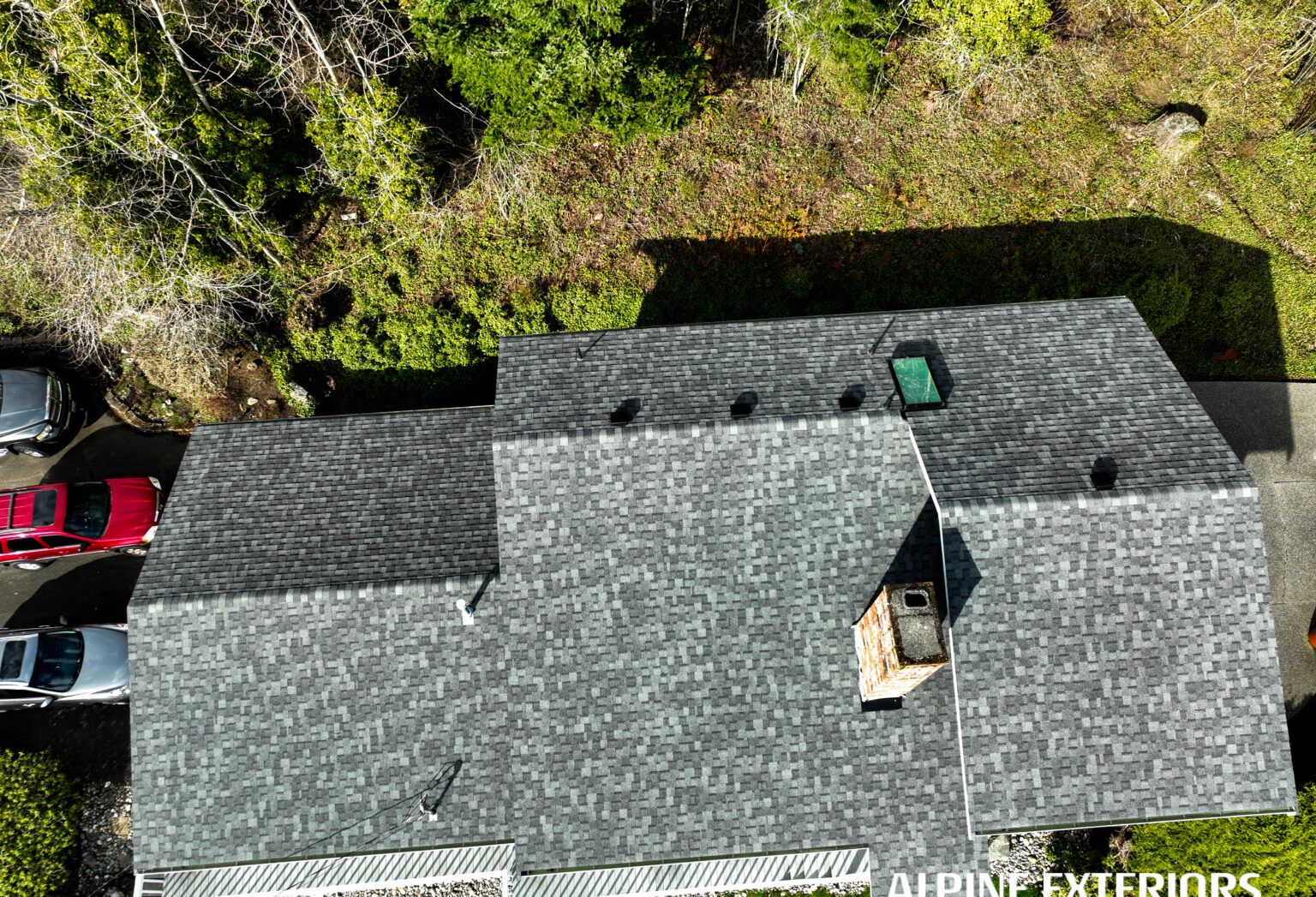
If you're planning a siding project anywhere from Bellingham to Ferndale, Lynden, Blaine, Birch Bay, Sudden Valley, or the islands, the housewrap and flashing details tend to get less attention than the siding material itself — and that's backwards. In a climate where rain falls most months of the year and wind off Bellingham Bay and the Strait of Georgia drives moisture sideways into wall assemblies, the water-resistive barrier (housewrap) and the flashing at every window, door, deck, and penetration are what actually keep a house dry over the next twenty or thirty years. This page walks through realistic cost ranges for Whatcom County homes, what pushes a project toward the low or high end, and what to expect from a contractor's quote. We're not going to invent precise figures — every home, elevation, and existing wall condition is different — but the ranges below reflect what homeowners in this region typically budget for.
Housewrap and flashing are rarely priced as a standalone line item unless they're part of a larger siding replacement, a re-side over an existing structure, or a repair after a leak was found. Most of the cost lives in labor — careful integration of the housewrap with window and door flashing, kick-out flashing at roof-wall intersections, and head/sill flashing takes time to do correctly, and that labor is what separates a wall that sheds water for decades from one that trap moisture behind the cladding. Material costs for the housewrap itself (mechanically fastened or self-adhered) and flashing tape or metal flashing are a smaller share of the total than most homeowners expect.
As a rough regional guide, homeowners in Whatcom County typically see housewrap and flashing costs land in a low range when it's a straightforward wrap-and-flash on a simple rectangular home with easy access, and in a high range when the home has multiple stories, steep roof pitches, extensive trim and window openings, or existing wood rot that has to be cut out and rebuilt before any wrap or flashing goes on. The table below breaks out the factors that move a project between those ends.
| Cost Factor | Low End Driver | High End Driver |
|---|---|---|
| Home size & wall area | Small single-story home, simple footprint | Large two-story home, complex roofline |
| Existing wall condition | Sound sheathing, no rot found | Rotted sheathing/framing requiring rebuild |
| Window & door count | Few openings, standard flashing details | Many openings, custom or older window flashing |
| Housewrap type | Standard mechanically fastened wrap | Self-adhered or fluid-applied WRB for high-exposure walls |
| Access & site conditions | Ground-level, easy scaffolding/ladder access | Steep lots, limited access, tall gable ends common in Sudden Valley |
| Scope of work | New wrap during a full re-side | Targeted repair/tear-out after a leak or rot discovery |
Several conditions specific to this part of Washington show up in almost every estimate we write. Whatcom County gets a long, wet fall-through-spring season, and homes exposed to wind-driven rain — especially waterfront and elevated properties around Birch Bay, Blaine, and the bluffs above Bellingham Bay — need more robust flashing details at every horizontal transition than a comparable home on a sheltered inland lot in Lynden or Ferndale. That difference shows up as additional labor and sometimes a step up in housewrap material, not as a different product category.
Moss and algae growth is a near-constant fact of life here, and while it primarily affects the cladding surface rather than the housewrap itself, prolonged moss coverage on older siding often hides moisture that has already worked its way behind the cladding. When we pull siding on an older Whatcom County home, finding some degree of wood rot at window sills, deck ledgers, or lower wall sections is common enough that most experienced contractors build a contingency into their proposal rather than promising a fixed number before the wrap is off. That contingency — framed as a per-board or per-hour rate for rot repair discovered during tear-off — is one of the biggest swing factors in a final invoice, and it's worth asking about up front.
Homes in the foothill areas east of Bellingham and toward Sudden Valley see more freeze-thaw cycling than the immediate coastline, which over time can stress caulking and sealant joints faster than in milder microclimates. That doesn't change the housewrap material, but it can affect how a contractor details sealant at flashing laps and fastener penetrations, and how often those joints should be expected to need maintenance.
Finally, the Washington State Energy Code has specific requirements around continuous air barriers and, depending on the wall assembly and compliance path chosen, exterior continuous insulation. On homes where a re-side is paired with an energy code upgrade, the housewrap and flashing plan has to be coordinated with rigid insulation thickness, furring strategy, and fastener length — which adds engineering and labor time compared to a simple like-for-like wrap replacement. Your contractor should be able to tell you which compliance path applies to your project and how it affects the flashing details around windows and doors.
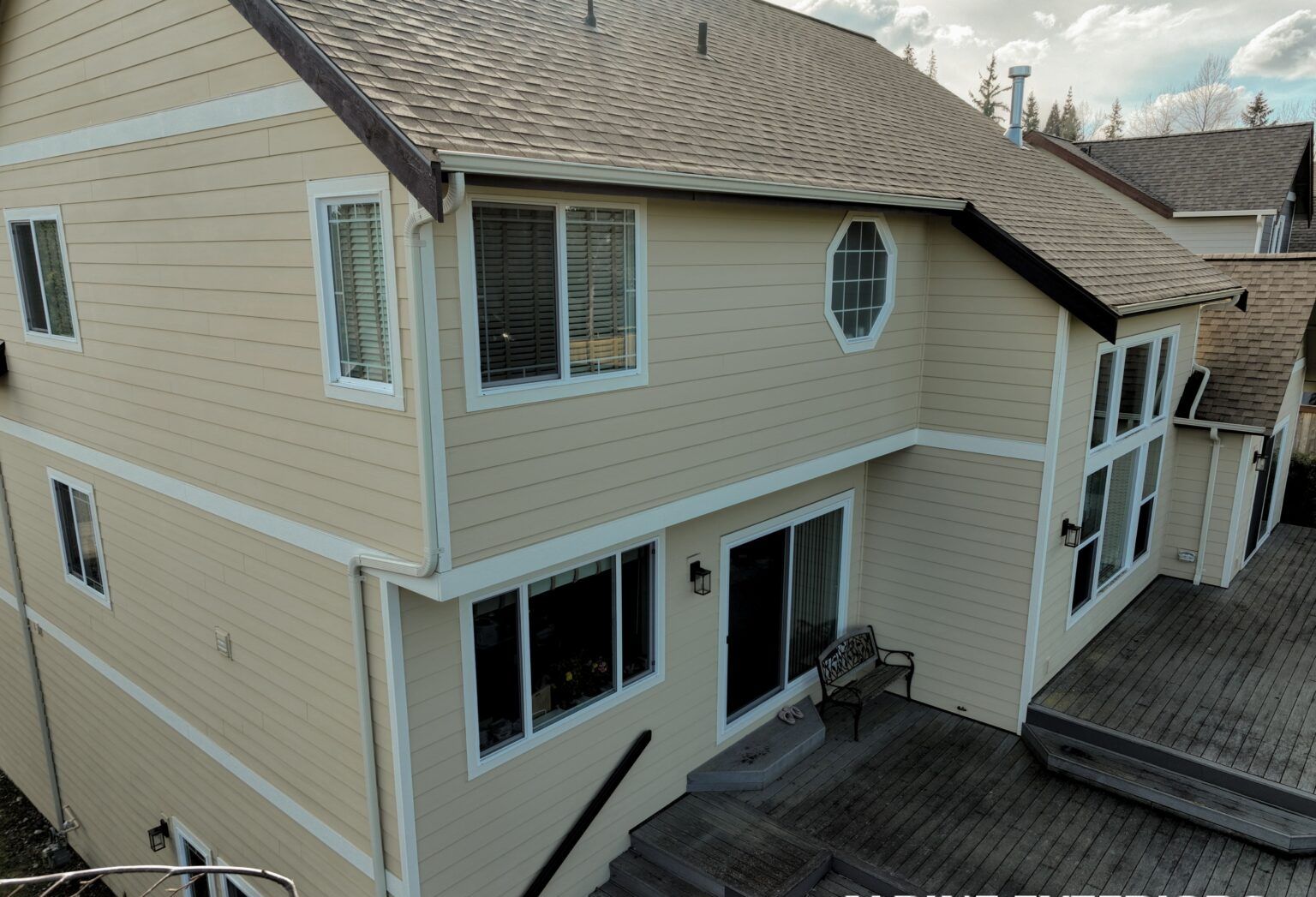
A vague quote is one of the most common ways homeowners in this region end up with a leak two or three winters later. A detailed housewrap and flashing quote from Alpine Exteriors, or from any contractor you're evaluating, should spell out:
If a quote is a single lump-sum number with no breakdown of these items, ask for one. It's a reasonable request, and a contractor who's confident in their work should be able to walk you through it without hesitation.
The lowest bid on housewrap and flashing work is often the one that's cutting corners on flashing details you won't be able to see once the siding is reinstalled — and those are exactly the details that determine whether your walls stay dry. When comparing quotes from different Whatcom County contractors, look past the bottom-line number and check whether each bid is scoped the same way: same housewrap type, same assumption about rot repair (included, excluded, or priced as an allowance), and same level of flashing detail at windows, doors, and roof intersections. Two bids that look far apart in price sometimes turn out to be scoped very differently once you read the fine print.
It's also worth asking each contractor how they handle the discovery of hidden rot once the old siding comes off — a near-certainty on older homes in this climate. A contractor who has a clear, pre-agreed process (photos, a per-unit repair rate, your sign-off before proceeding) is more trustworthy than one who either ignores the possibility or pads every bid heavily just in case. Ask to see the specific flashing products they plan to use, and don't be shy about asking whether they carry a current Washington state contractor license — Alpine Exteriors' license number is ALPINI751OW, and any legitimate siding contractor working in this state should be able to provide theirs without prompting.
Housewrap and flashing work is usually bundled into a larger siding or re-side project rather than financed on its own, so financing options generally follow whatever the full project scope requires — ask your contractor what payment plans or third-party financing partners they offer, and compare terms the same way you'd compare a car loan or home improvement loan, paying attention to the interest rate and any fees for paying off early.
On the insurance side, most standard homeowners policies in Washington don't cover gradual water intrusion or long-term rot that results from a failed or missing housewrap and flashing system — that's typically treated as a maintenance issue rather than a covered peril. Where insurance does come into play is when a sudden event, like a wind-driven storm that tears loose siding or damages flashing, causes an acute leak; in that case a claim may be worth filing, and it's worth documenting the damage with photos and a contractor's written assessment before repairs begin. If you're unsure whether a specific repair is a maintenance item or a claimable event, your insurance agent can usually tell you quickly once they see the scope of damage.
In most cases, yes. Housewrap has a service life, and once siding is off, existing wrap is often torn, UV-degraded at the edges, or was installed with flashing laps that don't meet current best practice. Reusing old housewrap can save some cost, but only makes sense if it's inspected first and found to be intact and properly integrated with new flashing — something your contractor should evaluate rather than assume either way.
Timeline depends heavily on home size, how much of the wall is being opened up, and whether rot repair is needed once old siding comes off. Weather is also a real factor here — open wall sections need to be protected or worked in windows between rain events, so scheduling during Whatcom County's wetter months can stretch a project's timeline compared to summer work.
Sometimes, if the problem is isolated — a single window with a failed sill flashing, for example — and the surrounding wrap is otherwise sound. But flashing and housewrap work as one integrated system, so a targeted repair still needs to be tied back into the existing wrap correctly, or the repair itself can become a new leak point. A contractor should inspect the surrounding area, not just the spot you're worried about.
This is common enough in older Whatcom County homes that it shouldn't come as a surprise, but it does change the scope and cost of a project. The affected sheathing or framing needs to be cut back to sound wood and rebuilt before new housewrap and flashing can go on correctly — skipping that step just seals moisture damage behind new material. Ask your contractor how they price and communicate this before work starts, so there are no surprises mid-project.
Housewrap and flashing aren't the most visible part of a siding project, but they're the part doing the real work of keeping Whatcom County's rain, wind, and moisture out of your walls. If you're planning a re-side in Bellingham, Ferndale, Lynden, Blaine, Birch Bay, Sudden Valley, or anywhere else in the county, Alpine Exteriors (WA license ALPINI751OW) can walk your home, point out what we see, and put together a written estimate that spells out housewrap type, flashing details, and how rot repair — if any is found — would be handled. Reach out to schedule a walkthrough and get a quote you can actually compare against others line by line.