
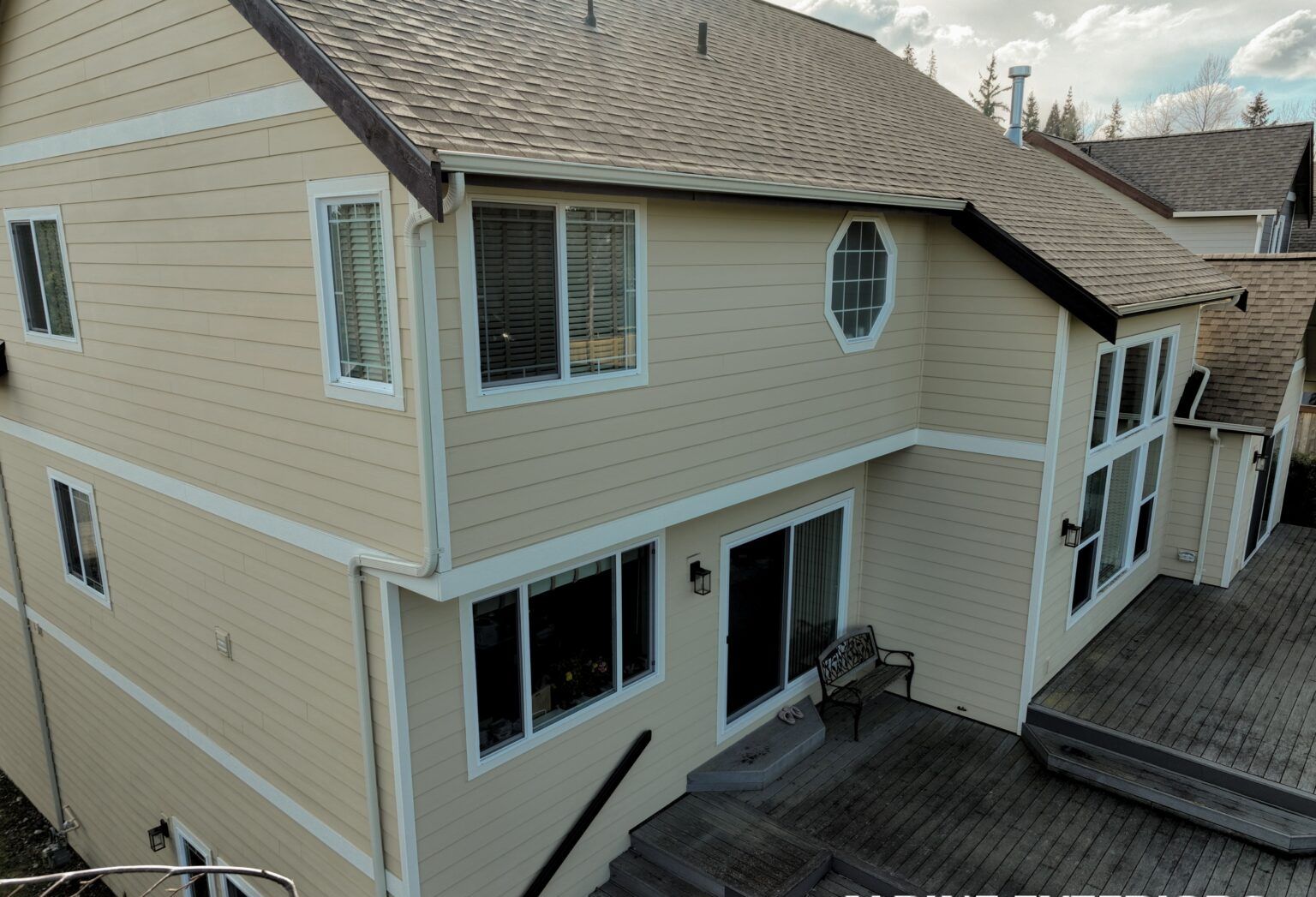
Ferndale sits in a corner of Whatcom County where weather off Bellingham Bay, the Nooksack River bottomland, and the open exposure toward the Strait of Georgia all combine to work on exterior siding in ways that differ from siding in drier parts of the state. This checklist is meant to give homeowners in Ferndale, Lynden, Blaine, Birch Bay, Sudden Valley, and the surrounding islands a practical, room-by-room way to look at their own siding before small problems turn into expensive ones. It is not a substitute for a hands-on inspection, but it will tell you where to look and what the signs actually mean.
Whatcom County does not get hurricanes or tropical storms, so siding here is not built or inspected around wind-rating tables the way it might be on the Gulf Coast. The stress this region puts on siding is slower and steadier: long stretches of persistent rain from fall through spring, wind-driven rain that comes off Bellingham Bay and the Strait of Georgia and hits west- and north-facing walls directly, and enough shade and humidity in wooded lots to grow moss and algae on almost any exterior surface that stays damp for long periods. Homes in Ferndale proper and along the water in Blaine and Birch Bay tend to see the wind-driven rain problem most, because gusts off the water can push moisture sideways into seams and laps that were only designed to shed water falling straight down.
Inland and up in elevation — Sudden Valley and the foothill edges of the county — the bigger issue is freeze-thaw cycling. It rarely gets brutally cold here, but the repeated freeze and thaw through the winter months works on caulk, trim joints, and any small crack in a panel, widening it a little more each cycle. On the islands and in low-lying spots near the Nooksack, ground moisture and dense tree cover add to the moss and wood-rot risk, especially on older homes with cedar or wood-composite siding that was never fully sealed.
Washington's building code framework also matters here in a way that is easy to overlook. The Washington State Energy Code sets requirements for wall assemblies, air sealing, and continuous insulation that affect how a siding system is supposed to perform as a moisture and air barrier, not just as a weather-resistant surface. When siding is inspected or replaced in this region, what is happening behind the panels — house wrap, flashing details, drainage gaps — is just as relevant to code compliance and long-term performance as what you can see from the sidewalk.
Walk the full perimeter of the house on a dry day, working section by section. A pair of binoculars helps for anything above the first story, and a flashlight is useful for looking into shaded corners and under eaves.
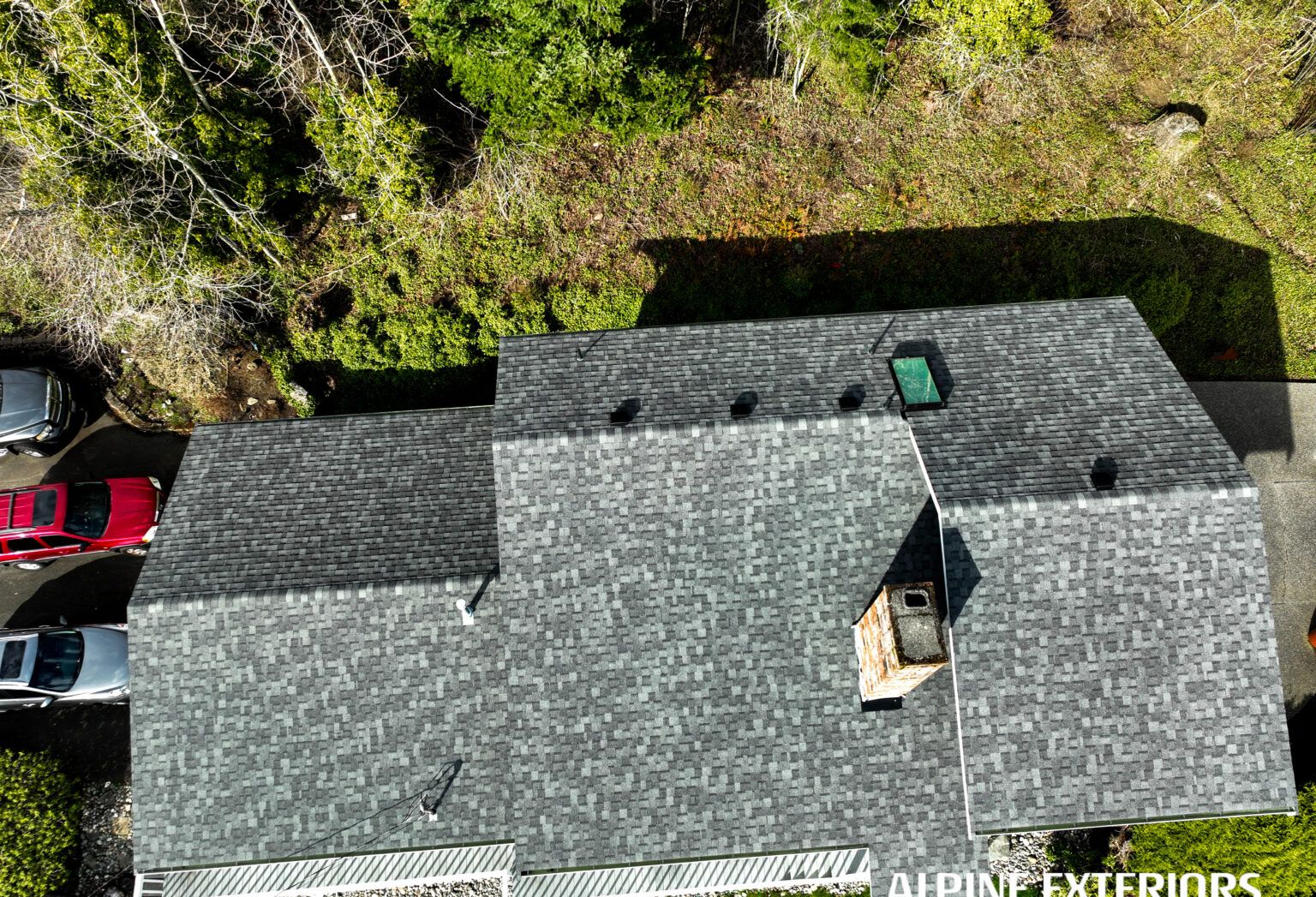
Not every failed item on this list means a full siding replacement. A single popped fastener, a short run of failed caulk, or one patch of moss can often be addressed as a spot repair — refasten the panel, re-caulk the joint, wash the affected area with a gentle moss treatment rather than a pressure washer, which can force water behind panels rather than clean it off.
Soft or spongy wood, staining that keeps reappearing after cleaning, or gaps that show up in more than one area of the same wall are different. These usually mean the problem is not the visible siding but something behind it — failed flashing, a gap in the house wrap, or wood that has already started to rot. In those cases, a spot patch on the surface will often just hide the problem for a season or two while it keeps working on the wall underneath. It's worth opening up a small section to look at the sheathing and house wrap before deciding whether a repair or a larger replacement is the right call.
Whatever the scope, address failed items on the shaded, north-facing, and water-exposed walls first — those are the areas doing the most work against moss, algae, and wind-driven rain in this part of the county, and they're usually where a small problem grows fastest.
A homeowner can reasonably handle basic cleaning, minor caulk touch-ups, and visual inspection using this checklist. It's time to bring in a contractor when you find soft or rotted wood, siding that has visibly pulled away from the wall, staining that returns after cleaning, or any sign that water has reached the sheathing or framing. It's also worth having a professional look at the wall assembly if you're planning a re-side, since decisions about house wrap, flashing details, and insulation continuity affect Washington State Energy Code compliance and are much easier to get right during a full siding project than to fix piecemeal later. Alpine Exteriors, licensed in Washington under contractor license ALPINI751OW, inspects siding for homeowners throughout Ferndale and the rest of Whatcom County and can tell you honestly whether a section needs a repair or whether the underlying moisture problem calls for something more.
A walk-around inspection once in late summer, when everything is at its driest, and once again in early fall before the wet season sets in, is a reasonable rhythm for most homes here. Homes with heavy shade, older wood siding, or a history of moss growth benefit from checking more often, since moisture-related problems tend to progress faster on those walls than on drier, sun-exposed sides of the house.
Light surface staining from algae is mostly cosmetic, but moss that has rooted into seams, butt joints, or under lapped panels is a different matter — it holds moisture against the siding and the wall behind it continuously, which is exactly the condition that leads to wood rot in this climate. It's worth treating rooted moss rather than leaving it, even if the siding still looks structurally fine.
No — Whatcom County doesn't see hurricane-force wind events, so siding here isn't specified or inspected against the kind of wind-rating tables used on the Gulf or Atlantic coasts. The wind concern in this region is different: wind-driven rain off Bellingham Bay and the Strait pushing water sideways into seams and laps, which is more about sealing and flashing quality than about the wind resistance of the panel itself.
Sometimes, yes — if the damage is isolated and the wall assembly behind it is sound, a partial replacement can be a reasonable and less costly option. But siding fades and weathers as a whole, so a patched section, even with a close color match, may stand out over time, and if the underlying house wrap or flashing has failed in one spot it's worth checking whether the same age and exposure has weakened nearby sections too before committing to a partial repair.
If this checklist turned up soft spots, recurring staining, or seams that no longer look tight, it's worth having someone look at it in person before the next wet season sets in. Alpine Exteriors works throughout Ferndale, Bellingham, Lynden, Blaine, Birch Bay, Sudden Valley, and the surrounding Whatcom County islands, and can walk your home's exterior with you, point out what's cosmetic versus what needs attention, and give you a straightforward, no-pressure read on repair versus replacement. Reach out to schedule an inspection for your home.