
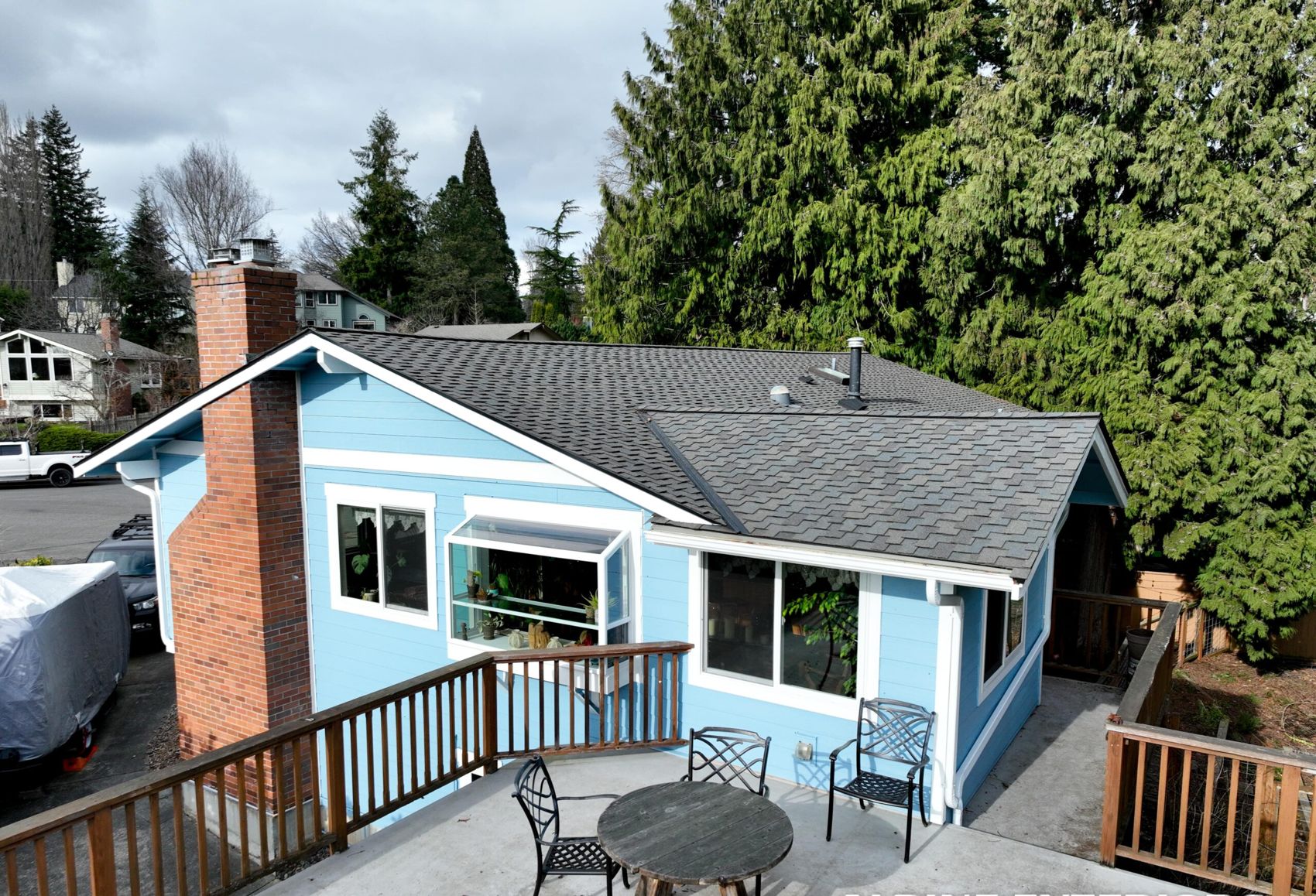
Custer sits on open, mostly flat farmland between Blaine and Birch Bay, a few miles in from Drayton Harbor and the Strait of Georgia. That location matters more than most homeowners realize when picking a siding color. There's less tree cover than in parts of Bellingham, so houses here take more direct sun and more direct wind-driven rain off the water, with fewer windbreaks to slow either one down. At Alpine Exteriors we've replaced and repainted siding across Whatcom County long enough to see which colors actually age well out here versus which ones look great on a sample chip and disappointing five years later. This guide is our honest read on siding color for Custer specifically, not a generic national list.
If you want a short list before the details: warm gray or greige, soft cream or warm white (not stark white), and muted sage or olive green consistently perform well on Custer homes. A deep charcoal works too, but only with eyes open about heat and fade trade-offs we explain below. The common thread among our top picks is mid-tone, low-chroma color with enough depth to mask streaking and enough reflectivity to avoid excess heat buildup on the wall assembly.
Color is partly personal taste, but in Custer a few local factors should carry real weight in the decision:
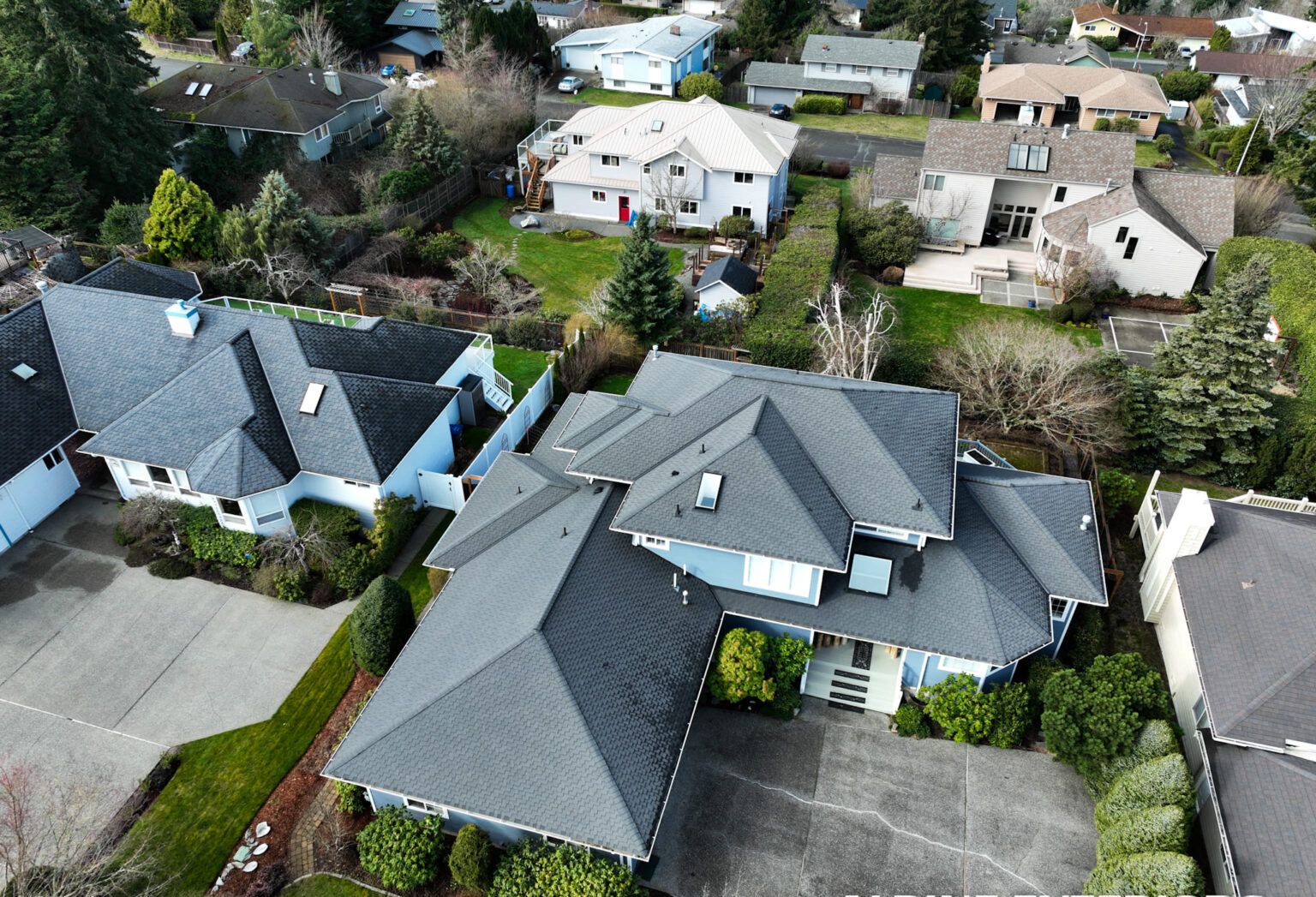
This has become the most common recommendation we make in Whatcom County generally, and Custer is no exception. Warm gray and greige tones sit in a sweet spot: light enough to avoid major heat gain, dark enough that dust from nearby fields and light algae haze don't jump out the way they do on white. The main drawback is that gray has become extremely common, so if you want your home to stand out on the road, it may read as safe rather than distinctive. Cooler, blue-leaning grays can also look a little cold under Whatcom County's frequent overcast skies — a warmer, beige-leaning gray tends to hold up better visually here.
Charcoal and near-black siding look sharp against Custer's open, green landscape and pair well with metal roofing, which is common in the area. The honest downside: dark colors absorb more heat, which matters more now that many homes are built or re-sided to meet Washington State Energy Code insulation levels that trap that heat rather than letting it dissipate through the wall. On vinyl, that can mean visible warping over time, especially on south- and west-facing elevations that get the most sun. On fiber cement or engineered wood, heat isn't the same structural concern, but dark factory finishes can fade unevenly, showing chalking or a slightly patchy look years before a mid-tone color would. If you want charcoal, fiber cement with a quality factory finish, plus attention to ventilation behind the cladding, is the more forgiving path.
A warm cream or off-white brightens a home nicely against Custer's frequently gray winter skies and doesn't fight with the agricultural, open-sky setting. Pure, stark white is the one we'd steer most homeowners away from: in a climate with this much sustained rain and shaded moisture, algae and black streak staining show up fast and are unforgiving against a bright white background, meaning more frequent washing to keep the home looking cared for. A cream or warm white with a hint of pigment hides that same staining considerably longer.
Green tones that lean muted and earthy, rather than bright or saturated, tend to work well here because they echo the surrounding farmland and tree lines rather than competing with them. The risk with green specifically is that a color too close to the natural moss and algae tone that grows on north-facing walls can make it hard to tell, at a glance, whether the house needs a wash — not a functional problem, but a cosmetic one some owners don't love. A slightly grayed-down sage avoids that overlap better than a true forest green.
Blue-gray reads as coastal and calm, which fits a community this close to Drayton Harbor and the Strait. It handles moderate algae staining reasonably well since the cool undertone doesn't clash visually with green organic growth the way a warm tan might. The trade-off is that, like charcoal, deeper slate shades will run warmer in direct sun than a lighter neutral, and on older homes without updated insulation, uneven heat absorption across different elevations can occasionally show as slightly different fade rates wall to wall.
Warm browns and clay tones suit Custer's rural character and tend to be well received under HOA design guidelines that favor an agricultural look. They also do a good job of camouflaging dirt splash-back near the foundation, which is a real issue on properties bordering farm fields or gravel driveways. The downside is that brown tones can look dated faster than neutral grays if trends shift, and cheaper brown vinyl products have historically shown more visible fading than comparable gray products, so quality of material matters even more if you go this direction.
A few choices consistently cause regret on Whatcom County homes, and Custer's conditions make them worse rather than better.
Indirectly, yes. Color itself doesn't stop wind-driven rain from Drayton Harbor or the Strait from getting behind poorly flashed seams — good installation and material choice do that — but darker colors raise surface heat which can stress certain materials over time, and paler colors show moisture staining and streaking sooner, which affects how quickly the home starts looking like it needs maintenance even if the assembly underneath is sound.
It depends on the property. Several newer plats around Custer carry design covenants favoring earth-tone or muted palettes to keep the streetscape consistent with the area's rural character, while many older acreage properties in the surrounding unincorporated county have no HOA at all. Check your specific covenant or plat documents before ordering material, since approval processes and allowed color ranges vary by development.
We won't invent a number, because it depends heavily on material, exposure, and finish quality — a south- or west-facing wall in full sun fades faster than a shaded north wall, and factory-finished fiber cement generally holds color longer than field-painted wood. What we can say is that mid-tone, low-chroma colors tend to show fade less noticeably over the years than very dark or very bright ones, simply because there's less contrast between the fresh color and the faded version.
Often, yes. If the existing wall has any history of moisture intrusion or wood rot, which isn't uncommon on older Whatcom County homes given the sustained rainfall, that's a signal to prioritize the underlying repair and moisture barrier before color even enters the conversation. Once the wall is sound, the same color guidance above applies, though owners re-siding an older farmhouse-style home often lean toward the warm grays, creams, and earth tones that suit that architecture rather than a stark modern charcoal.
Picking a siding color is easier when you can see real samples against Custer's actual light and landscape rather than guessing from a small chip indoors. Alpine Exteriors is a licensed Washington contractor (license ALPINI751OW) serving Custer and the rest of Whatcom County, from Blaine and Birch Bay to Bellingham, Ferndale, Lynden, Sudden Valley, and the islands. If you'd like an honest walkthrough of which colors and materials make sense for your home's exposure, orientation, and any HOA requirements you're working within, reach out to Alpine Exteriors for a straightforward consultation.