Best Siding Colors for Toad Lake Homes in Whatcom County
Updated August 2026 · Alpine Exteriors · WA contractor license ALPINI751OW
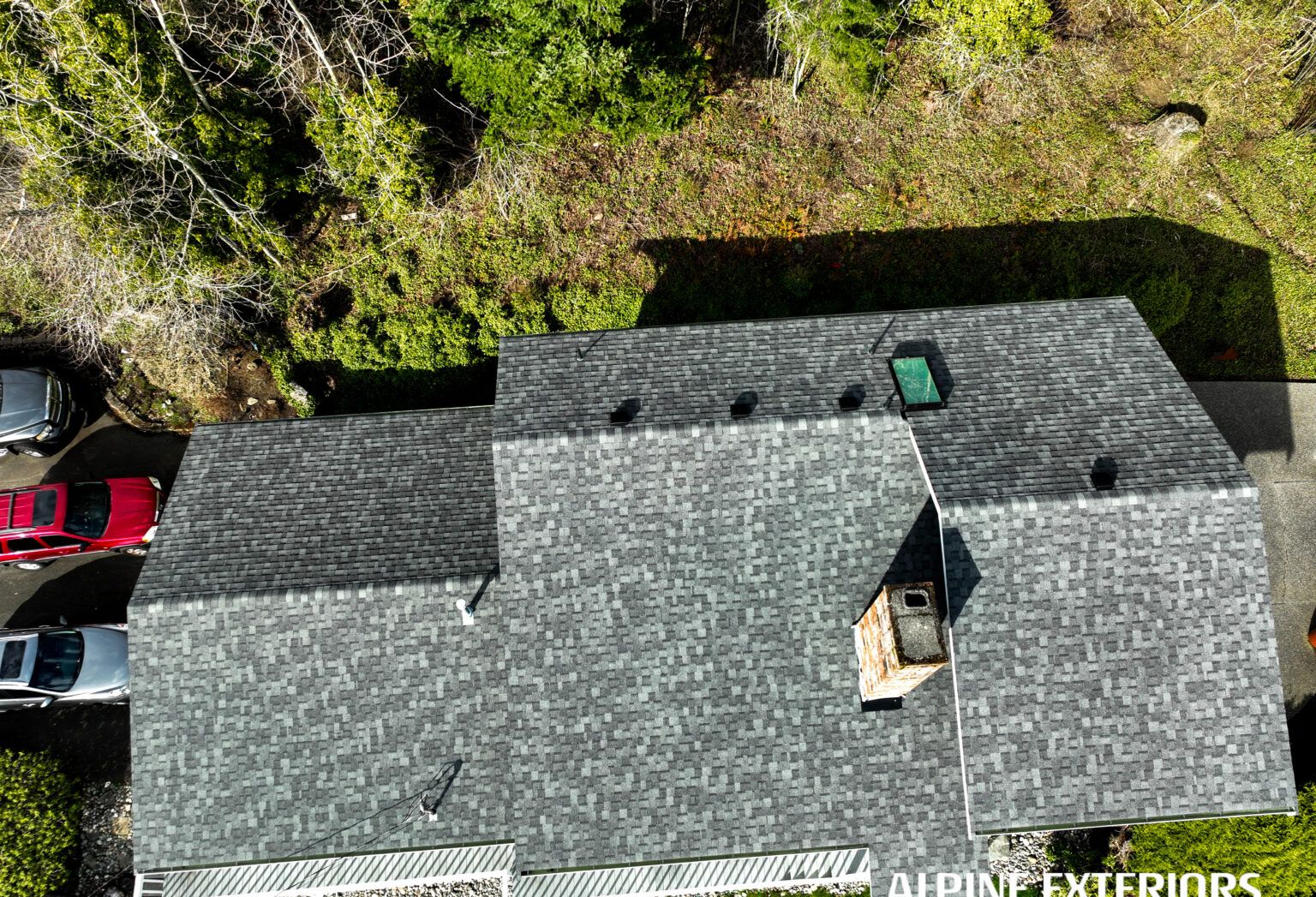
Toad Lake sits in a pocket of Whatcom County that's quieter and greener than downtown Bellingham but still close enough to feel the same weather patterns — long wet stretches from fall through spring, heavy second-growth fir and cedar canopy over a lot of the lots, and enough shade on north- and east-facing walls that moss and algae get a real head start every winter. Picking a siding color here isn't just an aesthetic call. It affects how often you'll be pressure-washing green streaks off your gable ends, how the house reads against the trees and understory rather than fighting them, and in some of the newer Toad Lake-area developments, whether an HOA architectural review committee waves it through on the first submission. This guide walks through the colors that actually hold up and look right in this specific setting, plus a few that look great in a catalog photo but disappoint here.
The Short Answer
If you want the shortlist without reading the whole breakdown: deep charcoal or graphite tones, warm greige, and cedar-toned browns are the three color families that consistently work best on Toad Lake homes. Deep charcoal reads as modern or classic depending on trim choice and disappears nicely against the evergreens rather than standing out starkly. Warm greige is the safest all-around choice — it hides pollen film and light moss haze between cleanings better than a true white, and it doesn't clash with the mossy grays and browns already present in the landscape. Cedar-toned browns lean into the wooded setting instead of contrasting with it, which suits the more rural, forested lots around the lake. A close fourth is warm off-white paired with a dark trim package — it works, but it demands more upkeep than the other three, which we get into below. None of these are universal rules; the right pick depends on your lot's sun and shade exposure, your roof color, and whether your neighborhood has a covenant palette. Alpine Exteriors walks Whatcom County homeowners through this decision on-site, because a swatch that looks right on a screen can read completely differently under our cloud-filtered daylight against real trees.
How We Judged These Colors for Toad Lake
We weighed each color family against conditions that actually apply to this stretch of Whatcom County, not generic siding advice written for a different climate. Here's what mattered:
- Moss and algae visibility. Toad Lake's tree cover means shaded siding stays damp longer after our frequent rain, and that dampness is what feeds moss and algae growth — not the color itself, but color determines how visible the growth is between cleanings. Flat, light colors show green-black streaking almost immediately; certain mid-tone colors camouflage it longer.
- Fade behavior under diffused, long-duration UV. Western Washington doesn't get intense direct sun very often, but our UV exposure is long and cumulative — overcast days still deliver UV, just spread across more months of the year. Saturated, deep pigments (navy, true black, some reds) can chalk or fade unevenly over years even without harsh sun, especially on south- and west-facing walls that do get more direct exposure near the lake's open areas.
- How the color sits against the landscape. Toad Lake lots run heavier to fir, cedar, big-leaf maple, and salal understory than the more open lots you'd find closer to Ferndale or Blaine. Colors that read as natural extensions of that palette generally age better visually than colors that fight it.
- HOA and covenant compatibility. Some of the newer plats near Toad Lake and Lake Whatcom have design guidelines that restrict siding to an approved palette or require architectural review board sign-off before a color change. We factored in how easily each family typically clears that kind of review.
- Maintenance load under near-constant moisture. Whatcom County doesn't get the wind-driven rain off Bellingham Bay and the Strait quite as hard here as the more exposed shoreline towns, but wind-driven rain still finds its way onto west-facing walls, and any color choice has to hold paint or factory finish under that repeated wetting and drying cycle without peeling prematurely.
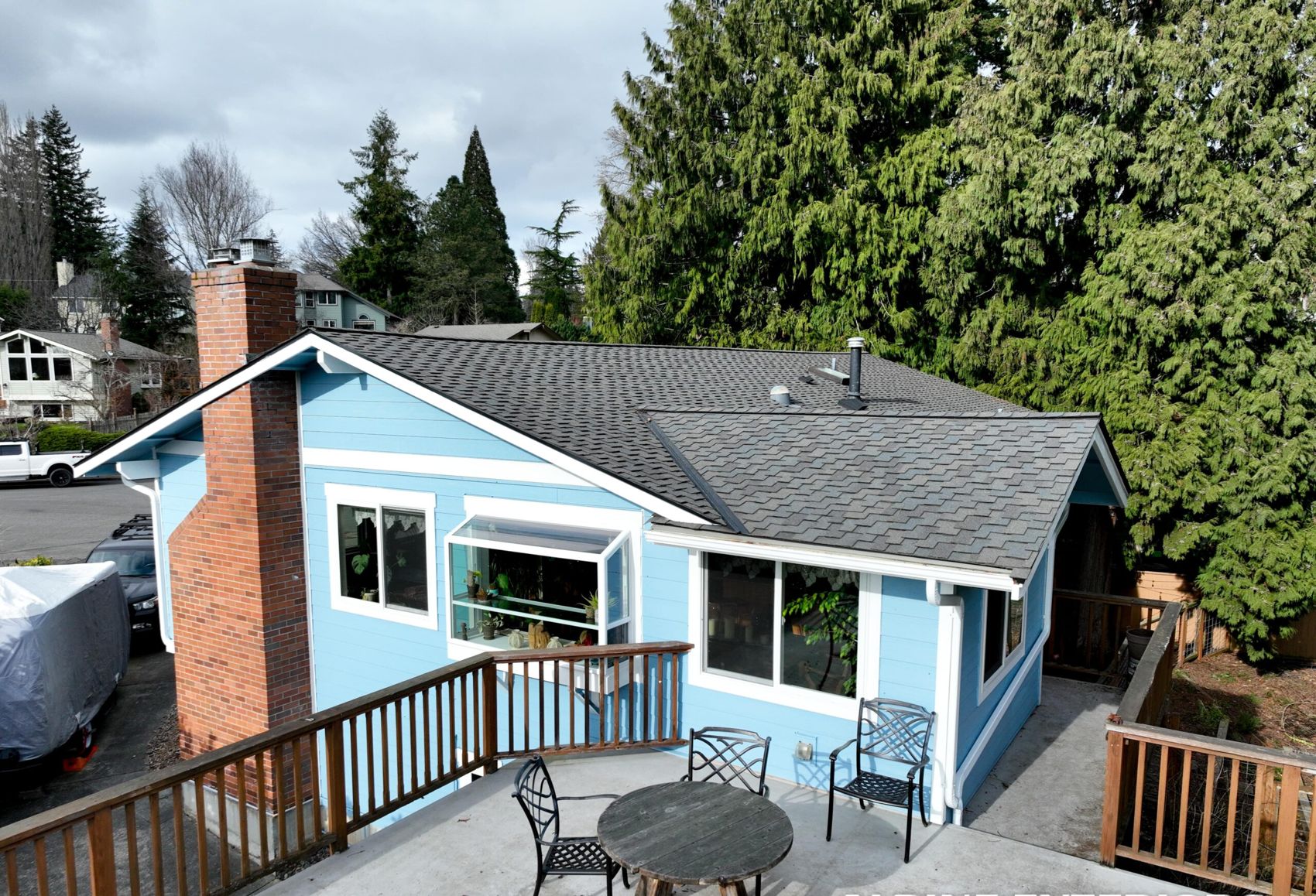
Color Options: Pros and Cons
Deep Charcoal or Graphite
A near-black gray with a slight warmth to it has become one of the more requested colors in Whatcom County over the last several years, and it earns the popularity on wooded lots like the ones around Toad Lake.
- Pros: Camouflages moss shadowing and pollen film far better than lighter colors; reads as intentional and modern against dark tree trunks and gray winter skies; pairs well with cedar-look accent panels, which a lot of Toad Lake buyers like for a mountain-modern feel.
- Cons: On the rare unshaded south or west wall that gets real afternoon sun, very dark pigments absorb more heat, which matters for vinyl siding specifically — check the manufacturer's heat-warp rating before committing to a dark vinyl profile, or use fiber cement or engineered wood siding, which handles dark colors without the warping risk. Also shows dust and water-spot streaking on flat panel styles more than a texture-matched lighter tone.
Warm Greige or Taupe
This is the workhorse choice, and for good reason.
- Pros: Hides the light gray-green haze that develops between cleanings better than any lighter color; complements both the natural wood tones and the gray basalt or river-rock landscaping common around the lake; almost always clears HOA architectural review without pushback since it reads as neutral; resells well because it doesn't polarize buyers the way a bold color can.
- Cons: It's a popular choice, so it can look a little unremarkable if every third house on the street picks the same tone — worth pairing with a distinct trim or door color to keep the house from blending in too much. Also worth noting greige can shift warmer or cooler depending on the light, so always view large sample boards outdoors, not just a paint chip indoors.
Deep Forest or Moss Green
An underused option that fits the setting particularly well.
- Pros: Genuinely blends into the fir and cedar canopy rather than contrasting with it, which some homeowners specifically want on heavily wooded lots; a muted, deep green doesn't show algae growth as obviously as lighter colors because the eye reads green-on-green as less jarring than green-on-white; distinctive without being loud.
- Cons: Harder to find in every siding material and profile — availability varies by manufacturer, so confirm your preferred style (lap, shake, board-and-batten) actually comes in the green you want before falling in love with it. Some HOA palettes exclude green as too far from the approved neutral range, so check covenants first. Bright or yellow-leaning greens fade unevenly and can look dated faster than muted, gray-based greens.
Cedar or Warm Brown Wood-Tone
Whether it's an actual wood-look finish or a solid brown, this leans into the forested setting instead of standing apart from it.
- Pros: Feels at home on rural and semi-rural Toad Lake lots in a way a stark white never will; warm browns hide dirt, pollen, and light moss discoloration well; works nicely with stone or brick foundation accents that are common on this style of home.
- Cons: Wood-look finishes on engineered products can fade or shift tone unevenly if the factory finish isn't rated for our sustained damp climate — ask specifically about the finish warranty for moisture and UV, not just impact resistance. True wood siding requires meaningfully more upkeep in a climate this wet and is more prone to the rot that engineered and fiber cement products were developed to avoid; if you love the look, an engineered wood-grain product gets you the appearance with a fraction of the wood-rot risk.
Warm Off-White or Cream with Dark Trim
Still a strong look, but it comes with real trade-offs specific to this setting.
- Pros: Brightens a lot that's otherwise fully shaded by tall trees, which some Toad Lake homeowners specifically want since certain lots get very little direct light; the light body plus dark trim, dark window frames, and a dark front door reads clean and current; performs well on covenant palettes that favor a classic look.
- Cons: This is the color family that shows moss and algae streaking the fastest and most obviously under our winter conditions, especially on north-facing walls or anywhere gutters overflow onto the siding below. Expect to budget for a soft-wash cleaning on a shorter cycle than you would with greige, charcoal, or brown. Not a reason to avoid it, but go in knowing the maintenance rhythm is different.
Black or Near-Black as an Accent, Not a Field Color
Used on gables, trim, window frames, or a single accent wall rather than the whole house.
- Pros: Adds contrast and a modern edge without the heat-absorption and fade concerns of covering an entire elevation in true black; works well against nearly every other color on this list.
- Cons: As a full-field color it carries the most heat-related risk for vinyl products in any sun-exposed sections and tends to show water spotting and dust more than any other tone, which is why we generally recommend it as an accent rather than a primary color here.
What to Avoid in Toad Lake and Why
A few choices consistently cause regret on lots like these, and it's worth naming them directly rather than dancing around it.
- Bright, stark white on shaded elevations. On a heavily treed Toad Lake lot, a pure white north wall will show green-black moss streaking within a season or two of a cleaning. It's not that white siding is a bad product — it's that this specific combination of shade, moisture, and tree debris makes the contrast between clean white and organic growth the most visible of any color choice.
- High-gloss finishes in any color. Glossy siding highlights water spotting, pollen film, and surface imperfections far more than a satin or matte finish, and under our frequently wet, low-light conditions that sheen reads as dirty even when it isn't. Matte or low-sheen finishes are the better call across the board here.
- Pastel or very light tints on north- and east-facing walls. Same logic as stark white — light colors in constantly shaded, damp spots simply show biological growth faster than mid-tones do.
- Committing to a color before checking covenants. If your property falls inside one of the newer platted developments near the lake, confirm the approved palette and any architectural review process before you order material. Repainting or re-siding after the fact costs real money and time that a five-minute covenant check avoids.
- Very dark vinyl on unshaded south or west walls without checking the heat rating. This is a manufacturer-specific issue, not a blanket rule against dark colors — plenty of dark vinyl products are engineered to handle it. Just confirm the specific profile you're buying is rated for it, or switch to fiber cement or engineered wood siding for that wall, which don't share vinyl's heat-warp vulnerability.
FAQ
Does siding color actually affect how fast moss grows on my house?
The color itself doesn't change how fast moss and algae grow — that's driven by shade, moisture, and organic debris like fir needles collecting in corners and behind trim. What color changes is how visible that growth is between cleanings. Light, flat colors on shaded walls will show green-black streaking noticeably sooner than mid-tone or darker colors in the same spot, which is why Toad Lake homeowners with heavily treed lots often lean toward greige, charcoal, or brown rather than white on their most shaded elevations.
Will my HOA restrict which siding colors I can use near Toad Lake?
It depends on your specific development. Some of the newer plats in the Toad Lake and broader Lake Whatcom area have design covenants with an approved color palette and an architectural review step before you can repaint or re-side, while older, unplatted properties often have no restriction at all. Check your CC&Rs or ask your HOA board before ordering material — it's a quick step that avoids a costly redo.
Do dark siding colors fade faster in Whatcom County's climate?
Not necessarily faster than light colors, but differently. Whatcom County's UV exposure is spread across long overcast stretches rather than concentrated intense sun, so fading here tends to be gradual and cumulative on any color over many years rather than a sudden bleach-out. The bigger practical concern with very dark colors isn't fading — it's heat absorption on the rare unshaded, sun-facing wall, which matters most for vinyl siding specifically. Fiber cement and engineered wood products handle dark colors without that heat-related risk.
Does the Washington State Energy Code limit which siding color I can choose?
No — the Washington State Energy Code governs the building envelope's insulation performance, air sealing, and continuous insulation requirements, not exterior color. Where it does intersect with your project is trim depth and detailing: code-driven continuous insulation adds thickness behind the siding, which changes how window and door trim reveals are built out, and that's worth planning alongside your color and trim contrast so the finished look comes out the way you pictured it. Your contractor should be accounting for this in the install plan regardless of which color you pick.
Ready to See Colors Against Your Own Lot?
Paint chips and online swatches never tell the full story once they're up against real trees, real shade, and Whatcom County's particular gray light. Alpine Exteriors, licensed in Washington under contractor license ALPINI751OW, works with Toad Lake homeowners on-site to hold large-format samples up against your actual siding, roofline, and landscaping before you commit to a full re-side. If you're weighing colors for a Toad Lake home — or anywhere else in Bellingham, Ferndale, Lynden, Blaine, Birch Bay, Sudden Valley, or the islands — reach out to Alpine Exteriors for a walkthrough and an honest read on what will actually hold up on your specific lot.
Want a straight answer for your home? Alpine Exteriors gives free on-site assessments across Bellingham, Ferndale, Lynden, Blaine, Birch Bay, Sudden Valley and the islands.
Call (360) 543-4799 or
request an estimate.