
Glacier sits differently than the rest of Whatcom County. It's not a lowland town on Bellingham Bay dealing with salt air and wind off the water — it's a foothill community strung along the Mt. Baker Highway at thirteen hundred-plus feet under a canopy of Douglas fir and western hemlock, a few miles from where the road starts climbing toward the ski area. That geography changes what siding needs to survive here. Homes and cabins in Glacier deal with more annual precipitation than Bellingham, snow that sits on roofs and against lower wall sections for weeks at a stretch, deep shade that keeps siding damp long after a storm passes, and freeze-thaw cycling through the winter that lowland Whatcom County barely sees. A lot of the housing stock is older cabin construction — tongue-and-groove cedar, T1-11 plywood siding, or 1970s-80s A-frames and post-and-beam builds that were never detailed for this much sustained moisture. We wrote this guide after years of tearing failed siding off exactly these kinds of buildings, so it reflects what we actually find on job sites up the highway, not a manufacturer's brochure.
For most Glacier homes, our first recommendation is prefinished fiber cement lap or panel siding, paired with a rainscreen gap and metal or PVC trim that won't wick water. It resists the moss and algae growth that's constant under tree cover, it doesn't rot, and it tolerates the freeze-thaw swings this elevation gets better than almost anything except metal. Our second pick, especially on cabins and outbuildings where budget matters more than a finished look, is corrugated or standing-seam steel panel siding — it sheds snow and needles instead of trapping them, and it has effectively no moisture-absorption problem. Engineered wood siding (LP SmartSide and similar) is a reasonable middle option if it's detailed and maintained correctly, but it's the one we're most cautious about recommending in Glacier specifically, for reasons we'll get into below. Real cedar has a place here too, particularly on homes where the owner wants to keep the mountain-cabin look, but only with eyes open about the maintenance commitment. Vinyl is the one material we steer most Glacier clients away from, and we'll explain why rather than just asserting it.
We're not ranking siding on curb appeal alone. For a Glacier property, the criteria that actually matter are:
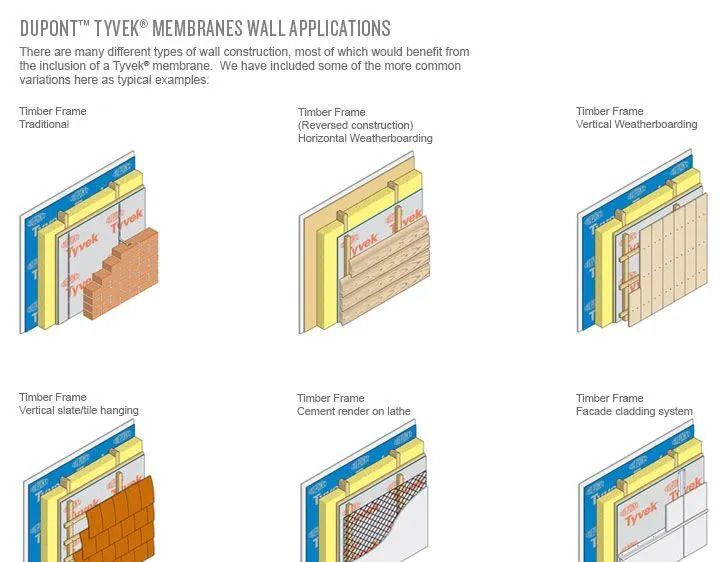
Fiber cement is cement, sand, and cellulose fiber pressed and cured into boards or panels, then factory-primed or fully prefinished. It doesn't rot, it doesn't feed moss the way raw wood does, and it holds paint or factory finish far longer than wood under constant damp shade. It's also heavy and dimensionally stable, so it doesn't cup or bow the way plywood-based sidings can when they take on moisture unevenly.
Pros: Doesn't rot or delaminate from freeze-thaw; holds up to moss and mildew better than any wood product; factory finishes on the better product lines are rated for years of UV and weather exposure before repainting is needed; noncombustible, which some Glacier-area insurers view favorably given the forested surroundings.
Cons: Heavier and more labor-intensive to install correctly than vinyl or engineered wood, which raises labor cost; needs to be cut and installed with the manufacturer's moisture-management details (rainscreen gap, back-primed cuts, proper caulk joints) or it can still let water track behind it; on a steep, narrow driveway or a lot with limited staging room — common up the highway — material handling takes longer and costs more than on an easy in-town lot.
Metal panel siding has become a common sight on newer Glacier-area builds and additions, and for good reason. It doesn't absorb water at all, so freeze-thaw and constant shade dampness are non-issues, and snow and needle debris slide off a smooth or ribbed metal face instead of packing against it the way they do against lap siding.
Pros: Essentially immune to rot, moss growth (it can still get a light algae film in deep shade, but it wipes off rather than embedding), and freeze-thaw damage; long service life; sheds snow well, which matters on north-facing walls that hold snow into spring; pairs cleanly with continuous rigid insulation for Washington State Energy Code compliance.
Cons: Can dent from ladders, falling branches, or sledding mishaps — a real consideration on a forested lot; expansion and contraction noise (ticking, popping) as temperatures swing through a freeze-thaw day can be noticeable, especially on cabins without much interior sound-dampening; some owners feel it reads more "shop building" than "cabin" unless the panel profile and color are chosen deliberately; scratches expose bare metal and need touch-up paint to prevent rust at the scratch line.
Engineered wood siding is wood strands bonded with resin under heat and pressure, then coated with a resin-saturated overlay and factory primer. It installs like traditional wood lap siding, nails and cuts similarly, and gives a more budget-friendly route to a wood look than real cedar.
Pros: Costs less than fiber cement or real cedar in most cases; installs faster than fiber cement because it's lighter and cuts more easily; factory treatments resist fungal decay better than untreated wood.
Cons: This is the product we're most cautious about for Glacier specifically. It's still a wood-based product, and any cut edge, nail hole, or joint that isn't fully sealed and kept sealed is a path for the sustained dampness this area gets to get into the strand core, where it can swell and eventually delaminate. We've replaced engineered wood siding on Glacier cabins that failed at the bottom courses — right where snow sat against it for weeks each winter — well before it should have. It can be a solid choice here, but only with disciplined caulking, gutter and snow-shedding details that keep it from sitting in standing snow, and an owner who'll actually inspect it every year or two. On a full-time house with an attentive owner, that's realistic. On a weekend cabin, it's a harder ask.
Cedar is the material most associated with the mountain-cabin look Glacier is known for, and it's naturally more rot- and insect-resistant than most other softwoods thanks to its oils. A lot of the original cabin stock up the highway is cedar or cedar-look tongue-and-groove, which is part of why so many of these buildings are still standing decades later.
Pros: Authentic look that matches the area's building character; naturally rot-resistant relative to other bare wood; can be refinished (stained or oiled) rather than fully replaced when it starts to weather, which some owners prefer over a tear-off.
Cons: Still wood — it will grow moss and algae under tree cover faster than fiber cement or metal, and it needs re-staining or re-sealing on a real schedule (roughly every few years, sometimes sooner in constant shade) to keep water from getting behind the finish; the freeze-thaw cycling here accelerates checking and splitting on unmaintained boards; it's genuinely one of the higher-maintenance options on this list, which is a poor match for an absentee-owner vacation cabin even though it's a great match for a full-time resident who doesn't mind the upkeep.
Vinyl is common across lowland Whatcom County because it's inexpensive and low-maintenance in mild, sunny conditions. We include it here mainly to explain why we don't lead with it in Glacier.
Pros: Lower material and labor cost than the other options; no painting; resists rot outright since it isn't wood-based.
Cons: Vinyl becomes brittle in sustained cold, and Glacier gets colder, harder freezes than Bellingham or Ferndale — panels can crack on impact (a fallen branch, a ladder, a sled) in a way they wouldn't at lower elevation; the panel-and-J-channel system relies on lap joints that can let moisture behind the panel in constant damp shade, and once water's behind vinyl it has nowhere to evaporate quickly; and it doesn't offer the continuous insulation option that fiber cement or metal assemblies can, which matters when a Whatcom County building department is checking envelope details against the Washington State Energy Code on a remodel or addition. It's not that vinyl fails outright in Glacier — we've seen it hold up fine on some builds — but it's rarely our first recommendation once someone's paying for this much elevation and tree cover.
Beyond the material choice itself, there are a handful of installation shortcuts we see fail specifically because of Glacier's conditions:
Yes, indirectly. The code governs the building envelope's insulation and air-sealing performance, not the siding material itself, but the siding assembly has to accommodate whatever continuous insulation and vapor-control detailing your project needs to meet it — especially on additions, re-sides that expose the sheathing, or new construction. Fiber cement and metal panel systems generally make it easier to add continuous rigid insulation under the siding than vinyl does, which is one reason we bring it up during the estimate rather than after the wall's already open.
It depends heavily on how much direct sun a given wall gets and how close the tree canopy is. North-facing walls under heavy fir cover can show visible green growth within a year or two; south-facing walls with more light exposure go much longer. A gentle low-pressure wash once a year on the shaded sides keeps most siding materials from staining permanently — the mistake we see most is letting it go three or four years and then needing aggressive pressure washing that can itself damage the surface.
On a well-insulated wall assembly with proper sheathing and insulation behind it, metal panel siding is not meaningfully louder than any other siding during rain — the roof, not the walls, is what people usually notice rain noise from. What can be noticeable is thermal expansion ticking as the panels heat and cool through a freeze-thaw day; it's cosmetic, not a defect, but it's worth knowing about before you choose the material.
Yes, and on Glacier homes it's often a genuinely good approach rather than just a design choice — putting a rot-proof material like metal or fiber cement on the lower few feet, where snow sits and splashback occurs, while using a different material above for look or budget reasons. The detail work is in the transition flashing between materials, which needs to shed water outward rather than trap it at the seam.
Every lot up the Mt. Baker Highway is a little different — how much sun a wall gets, how close the tree line is, how snow sheds off the roof onto the walls below all change what we'd actually recommend. Alpine Exteriors is licensed to do siding work throughout Whatcom County, including Bellingham, Ferndale, Lynden, Blaine, Birch Bay, Sudden Valley, and up here in Glacier, under Washington contractor license ALPINI751OW. If you're planning a re-side, a repair on failed bottom courses, or you're just trying to figure out which material makes sense for your specific cabin or home before you spend money, reach out to Alpine Exteriors for a walk-through and an honest recommendation — not a sales pitch for whatever we happen to have on the truck.