
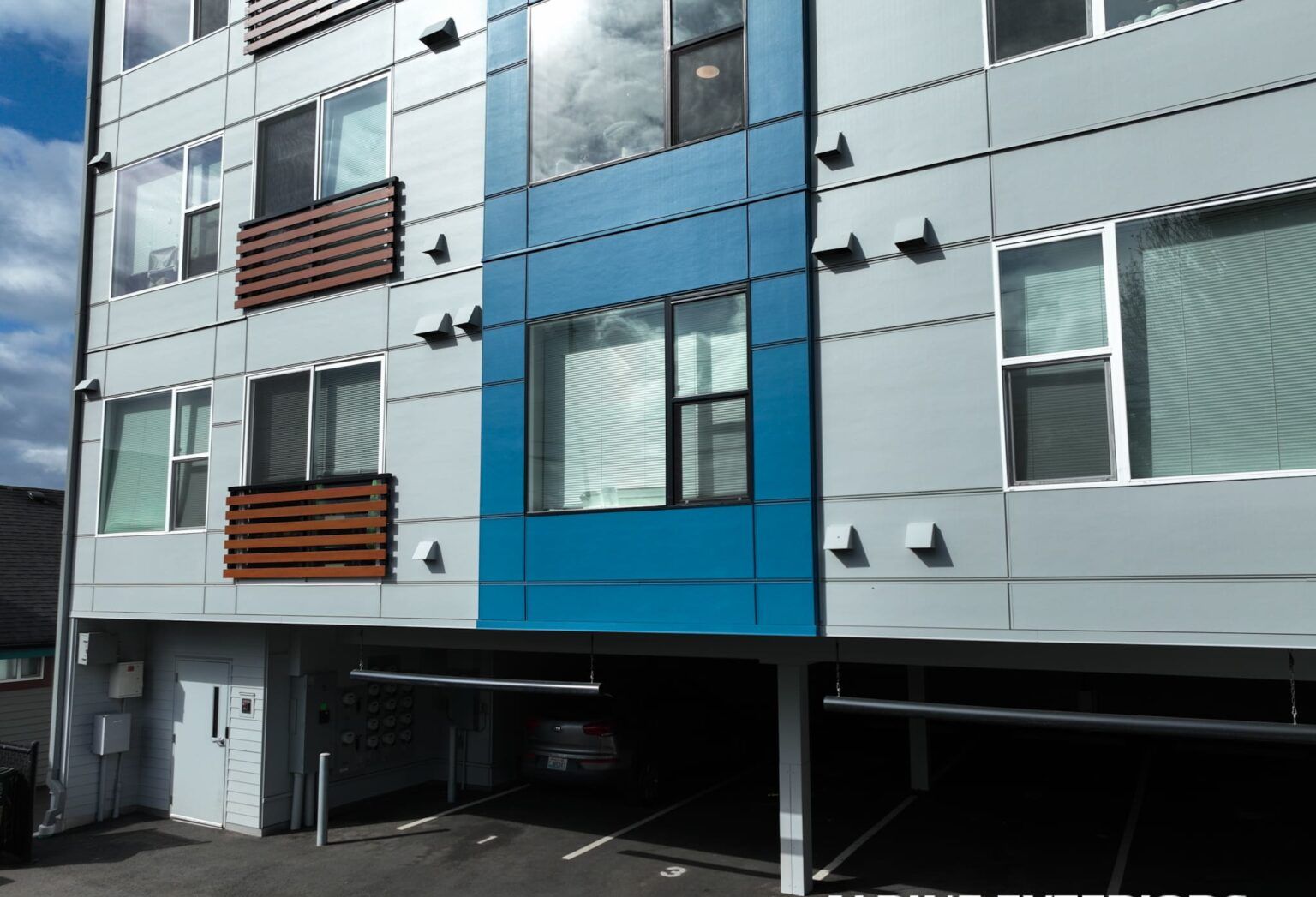
In Chuckanut, which sits in unincorporated Whatcom County south of Bellingham along Chuckanut Drive, siding permits are issued by Whatcom County Planning & Development Services (PDS), not the City of Bellingham. Whether you need one depends on the scope of the work: a straight cosmetic re-side over sound sheathing is often exempt, but almost anything that touches the wall assembly, structure, or a steep-slope lot triggers a full permit review.
Washington's statewide building code is adopted and enforced locally, and for the unincorporated pockets around Chuckanut, Fairhaven's south end, and the Chuckanut Bay shoreline, that local authority is Whatcom County PDS. The county follows the same general permitting logic most Washington jurisdictions use: minor repair and maintenance, like patching a damaged section of siding or replacing a few boards with matching material, usually doesn't need a permit. Once a project starts to look like re-siding a whole elevation or the whole house, removing and replacing sheathing, house wrap, or flashing, or altering window and door openings as part of the job, PDS treats it as regulated work requiring a permit application, plan review, and inspections.
The Washington State Energy Code (WSEC) is the other trigger homeowners often don't see coming. If your project exposes the wall cavity, meaning the old siding and weather-resistive barrier come off down to the sheathing, the code officially treats that as an opportunity to bring the wall assembly's insulation up toward current prescriptive standards. In practice that can mean adding continuous exterior insulation or upgrading the water-resistive barrier detailing before new siding goes back on, especially on additions or on walls where the sheathing itself is being replaced. A licensed contractor familiar with WSEC compliance will know when this applies and when a straightforward re-side doesn't trigger it.
Inspections, when a permit is required, typically happen at two points: a sheathing and weather-resistive barrier inspection before the new siding closes the wall up, so the county can verify house wrap laps, flashing at windows and penetrations, and any required insulation are correctly installed, and a final inspection once the siding is complete. Skipping the sheathing inspection is one of the more common ways homeowners run into trouble later, because it's the one point where problems hidden behind the finished siding can still be caught and corrected.
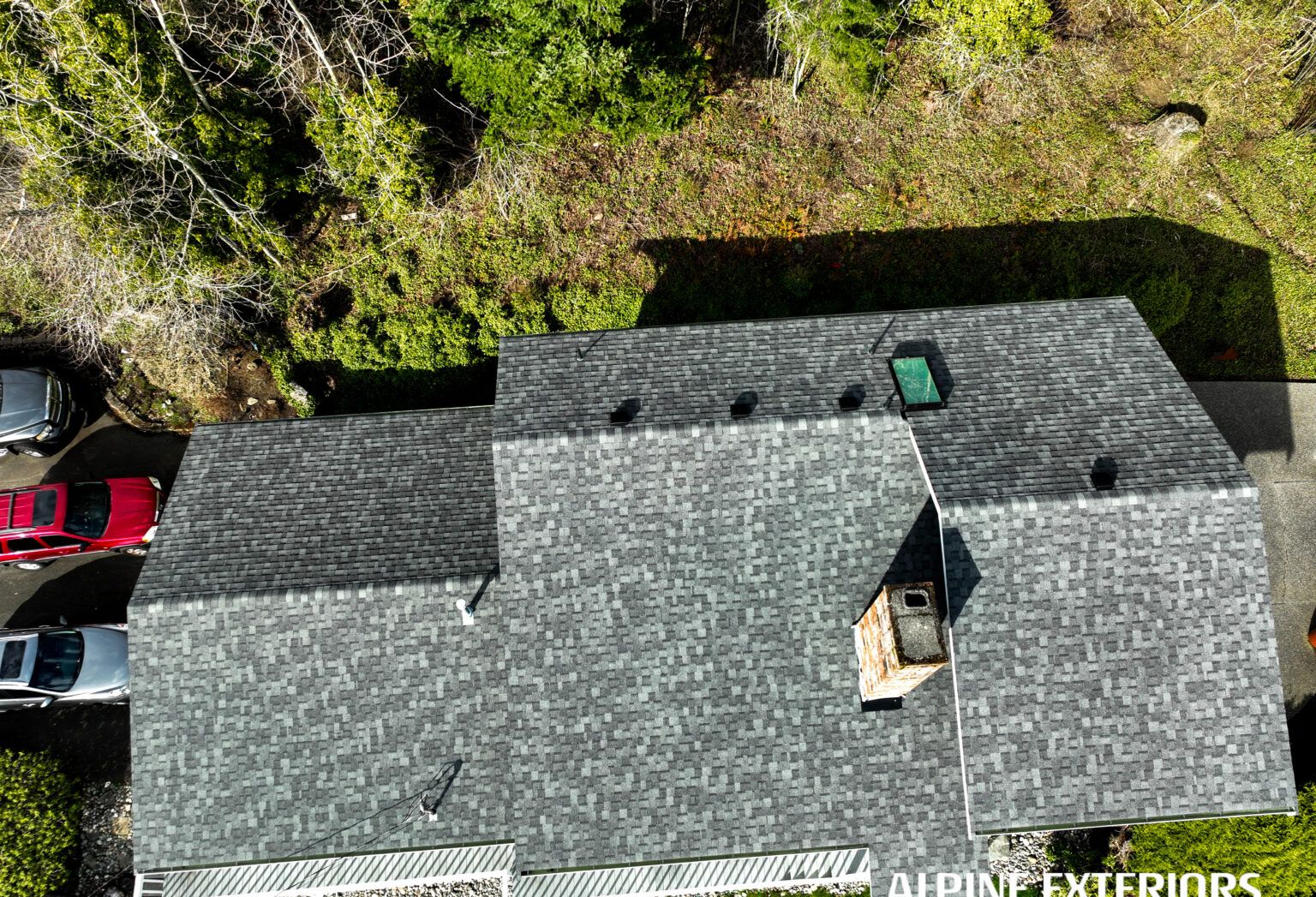
Chuckanut isn't a typical flat suburban lot. Much of the corridor along Chuckanut Drive sits on or near steep, geologically sensitive terrain, the same sandstone bluffs and slide-prone slopes that have closed the road itself more than once over the years. Whatcom County's Critical Areas Ordinance designates a meaningful share of this area as a geologically hazardous zone, and building or re-siding work on or near those slopes can require additional critical areas review, a geotechnical report, or setback verification before PDS will issue a permit. This is on top of the standard building permit review, and it's a step that gets missed by homeowners who assume a re-siding job is too minor to matter.
Properties closer to Chuckanut Bay or Samish Bay shoreline can also fall under state Shoreline Management Act jurisdiction, which adds another layer of review the county has to coordinate. None of this means every siding job in Chuckanut needs a geotechnical engineer, but it does mean a homeowner shouldn't assume their project is a simple, permit-free swap without checking the parcel against the county's critical areas maps first.
The weather itself is a factor too. Chuckanut and the surrounding Whatcom County coastline take wind-driven rain directly off Bellingham Bay, Samish Bay, and the Strait of Georgia, and that rain doesn't fall straight down, it drives sideways into south and west-facing walls during winter storms. Combined with the region's persistent overcast and damp shoulder seasons, this creates ideal conditions for moss and algae growth on siding, and for wood rot to take hold anywhere water gets behind the cladding, particularly at butt joints, trim intersections, and anywhere caulking has failed. Up in the foothill elevations toward Sudden Valley and the higher parts of the Chuckanut range, occasional freeze-thaw cycles add stress to any siding material and fastening that wasn't installed with enough tolerance for movement. None of this is hurricane-country wind loading, this is sustained, wind-driven Pacific Northwest rain finding every gap over years, which is a different and slower kind of damage.
Before scheduling any siding work in the Chuckanut area, take these steps:
Alpine Exteriors works throughout Whatcom County, including Bellingham, Ferndale, Lynden, Blaine, Birch Bay, Sudden Valley, and the Chuckanut area, and pulls permits through Whatcom County PDS when a project requires one. Alpine Exteriors holds Washington contractor license ALPINI751OW and can walk a homeowner through whether a specific Chuckanut project needs a permit before any work is scheduled.
It depends on scope. Patching or replacing a limited section of siding with matching material generally doesn't require a permit from Whatcom County PDS, but a full re-side, any work that removes sheathing or house wrap, or work on a lot with a critical areas designation typically does. The safest approach is to ask PDS or your contractor before work starts rather than assume.
Chuckanut is unincorporated, meaning it falls outside Bellingham's city limits, so permits are issued by Whatcom County Planning & Development Services rather than the City of Bellingham's permitting office. This distinction matters because the two jurisdictions have different fee schedules, review timelines, and in some cases different local amendments to the base code.
Because a meaningful part of the Chuckanut corridor sits on or near steep, historically slide-prone slopes, Whatcom County's Critical Areas Ordinance can require additional documentation, and in some cases a geotechnical report, before a permit is issued, even for exterior work like re-siding. This review happens on top of standard building permit review and is specific to how the property is mapped, not to the siding material itself.
Only if the project exposes the wall cavity. If your sheathing and weather-resistive barrier are being removed as part of the job, the Washington State Energy Code generally requires bringing the wall assembly closer to current prescriptive insulation standards, which can mean adding continuous exterior insulation. A cosmetic re-side over existing sheathing typically doesn't trigger this requirement.
If you're planning a siding project in Chuckanut or anywhere else in Whatcom County, Alpine Exteriors can review your property, confirm what Whatcom County PDS will require, and handle the permit and inspection process from sheathing to final sign-off. Contact Alpine Exteriors, Washington contractor license ALPINI751OW, for a straightforward assessment of what your project actually needs before you commit to a bid.