
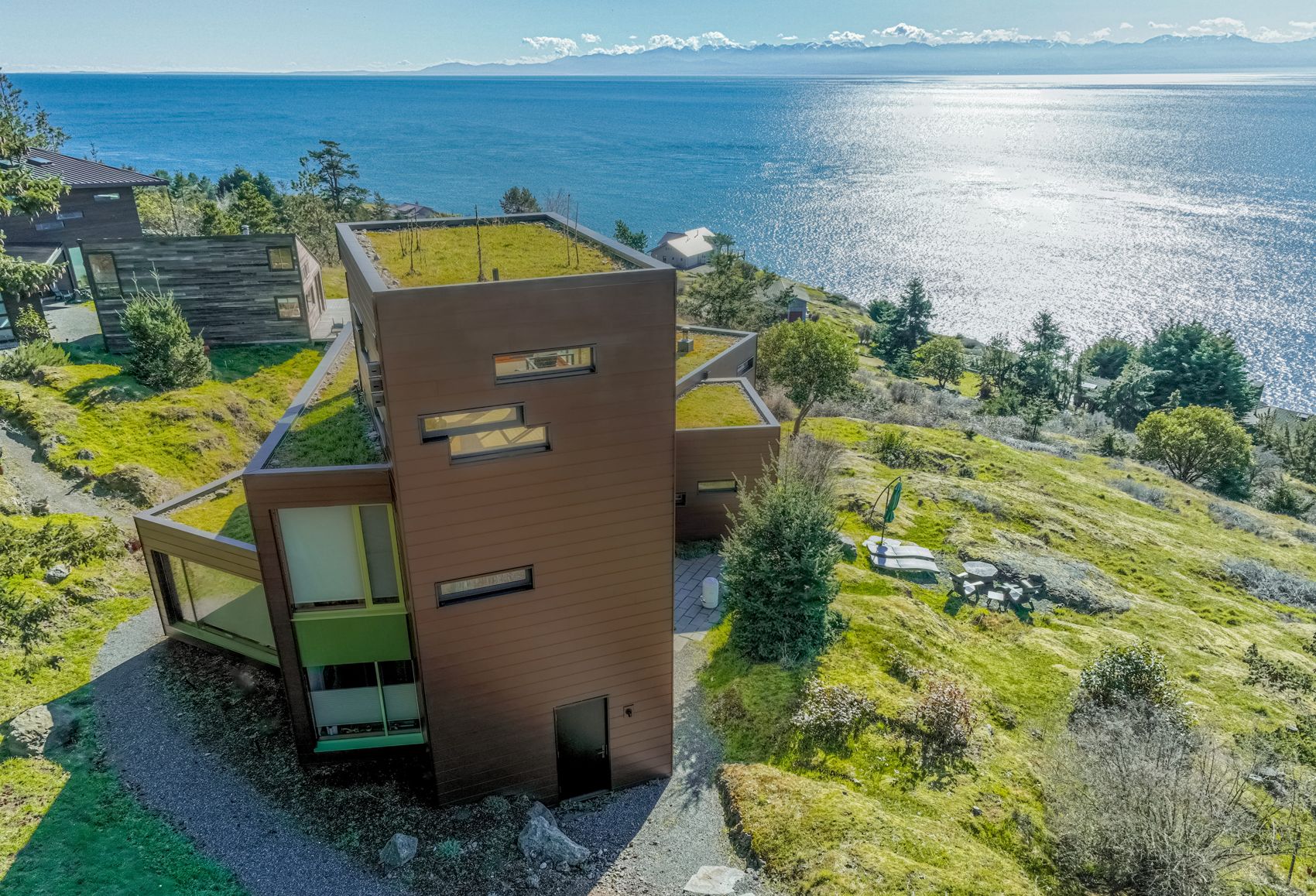
Storm damage to siding in Ferndale rarely shows up as one dramatic hole in the wall. It's usually smaller and easier to miss: a cracked lap, a corner that's lifted and won't lie flat, a soft spot under a window, or a water stain that appears on an interior wall weeks after the wind actually blew through. If Ferndale or the rest of Whatcom County has just come through a hard windstorm or a stretch of sideways rain off Bellingham Bay, it's worth a slow walk around the outside of the house even if nothing looks obviously broken from the driveway.
The damage patterns we see most often after a Whatcom County storm include cracked or split lap siding, especially on older cedar or lower-grade vinyl that's already brittle from UV and moisture cycling; panels that have popped loose or lifted at a bottom edge because wind got up underneath them; nail pops where fasteners have worked loose from repeated expansion and contraction; and caulk failure around trim, window flashing, and butt joints where two pieces of siding meet. None of these look catastrophic on day one. The problem is what happens after: a cracked or lifted piece of siding is no longer shedding water the way it's designed to, and Whatcom County doesn't give a house much of a break before the next rain arrives. Water gets behind the cladding, the sheathing underneath stays damp longer than it should, and what started as a small repair can turn into a rot repair involving structural sheathing if it sits through a wet season unaddressed.
It's also worth knowing what storm damage is not. Gray or greenish staining that's been building for a couple of years, siding that's simply faded from sun and salt air, or trim that's cupping slowly from age are wear-and-tear issues, not storm damage — and that distinction matters a lot once insurance gets involved, which we'll get to below.
Whatcom County doesn't get hurricanes, and siding built or repaired here doesn't need to survive anything like one. What it does need to survive is something less dramatic but arguably harder on a house over time: months of low-intensity, persistent rain that finds every gap in a building envelope, paired with wind that comes off Bellingham Bay and the Strait of Georgia with enough consistency to drive that rain sideways into west- and northwest-facing walls. A single storm event might not be violent, but a wet fall and winter of wind-driven rain hitting the same wall assembly, week after week, will find any weakness that already exists — a nail pop, a gap in caulking, a seam that wasn't lapped correctly.
Moss and algae are part of that same story. North-facing walls, areas shaded by mature trees or neighboring structures, and anywhere airflow is limited stay damp long enough for moss and algae to take hold on siding, trim, and especially at ground level where splash-back keeps the lower courses wet. On its own, surface growth is mostly cosmetic. Left alone for a few seasons, though, it holds moisture against the siding constantly, and that's exactly the condition that leads to wood rot, particularly on older cedar lap siding or at any spot where paint or sealant has already broken down. Rot doesn't happen because of one storm — it happens because a compromised piece of siding sat wet for a long time. This is why we point it out separately from acute storm damage: a homeowner filing an insurance claim needs to know which one they're actually dealing with.
There's a regional wrinkle too. Homes closer to the water — Ferndale itself, Birch Bay, Blaine, and the islands — take more direct wind-driven rain and, over the years, more corrosion on exposed metal fasteners and trim from the salt air. Homes up in the foothills and higher-elevation pockets like Sudden Valley deal with something different: freeze-thaw cycling. Damp siding that gets cold enough overnight to freeze will expand, and if that siding already has a crack, a split, or an unsealed seam, freeze-thaw is what turns a hairline problem into a real one. It's a different mechanism than what happens down on the valley floor in Ferndale, which is one reason a storm-damage assessment should account for where on the map a house actually sits, not just what the siding looks like from the street.
None of this is exotic weather. It's just persistent, and persistence is what wears down a building envelope that was installed a little short of spec, or that's simply reaching the end of its service life.
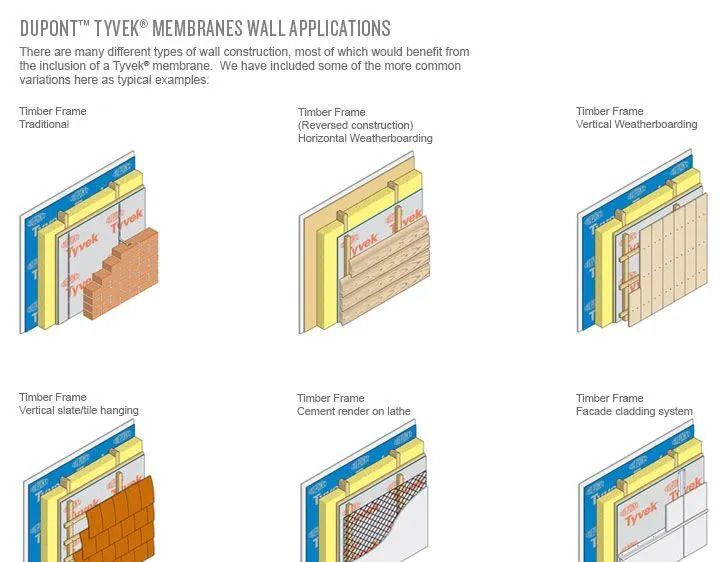
After a windstorm or a heavy rain event moves through Whatcom County, a few concrete steps make the difference between a straightforward repair and a much bigger problem six months later.
On cost: a straightforward patch repair to a section of storm-damaged siding might run a few hundred dollars up to a couple thousand, depending on the material, how much trim and flashing work is involved, and how accessible the wall is. If a storm exposed rot that requires sheathing replacement, or if enough of a wall was compromised that a full re-side makes more sense than patching, costs run considerably higher — full siding replacement in this region is commonly quoted somewhere in the range of $8 to $16 per square foot depending on material choice, though every house and every scope is different, and any contractor who gives you a firm number before inspecting the actual damage is guessing. Get at least two or three quotes, and confirm any contractor you're considering is properly licensed with the Washington Department of Labor & Industries — Alpine Exteriors' license number is ALPINI751OW, and that kind of verification takes about thirty seconds and is worth doing for anyone working on your home.
Most Washington homeowner policies cover sudden, storm-related damage such as wind, hail, or falling debris, but coverage details and exclusions vary by carrier and policy, so it's worth confirming the specifics with your agent. What most policies do not cover is gradual deterioration — moss growth, wood rot from years of moisture exposure, or general wear and tear — because insurers treat that as a maintenance issue rather than a covered loss. This is why documenting the specific storm event, with photos and a date, matters so much: it's the evidence that ties the damage to a sudden cause rather than long-term neglect.
Storm damage tends to be sudden and localized — a cracked panel, a lifted corner, or fresh splitting that wasn't there before, often concentrated on the west or northwest side of the house where wind-driven rain hits hardest. Long-term wear tends to be broader and more gradual: fading color across an entire elevation, moss or algae that's built up steadily over a couple of seasons, or trim that's slowly cupped and separated. If you're not sure which you're looking at, an inspection from a contractor familiar with the difference is more reliable than guessing, especially before you file an insurance claim.
Moss and algae staining is primarily surface growth — it discolors the siding and holds moisture against it, but the material underneath can still be sound. Wood rot is what happens after that moisture has been sitting against compromised or unsealed wood long enough to break down the fibers, and it shows up as soft, spongy, or crumbling material rather than just discoloration. The gentle press test described above is a reasonable first check: if the siding flexes or feels soft under light pressure, treat it as probable rot and get it looked at rather than just pressure-washing the moss off and calling it done.
It depends on the extent of the damage, the age and condition of the surrounding siding, and whether the underlying sheathing was affected. A single storm-cracked panel on siding that's otherwise in good shape is usually a straightforward spot repair. But if the damaged section is old enough that matching material is difficult, if rot has spread along a butt joint or under multiple courses, or if the storm exposed problems with the water-resistive barrier underneath, patching one section can end up looking mismatched and may not actually solve the underlying moisture problem. A contractor who inspects the full wall — not just the visibly damaged spot — can tell you honestly which approach makes sense for your situation.
If a recent windstorm or a stretch of heavy rain has you wondering whether your siding took real damage, don't wait for a small crack to turn into a rot repair over a wet Whatcom County winter. Alpine Exteriors, WA contractor license ALPINI751OW, inspects and repairs storm-damaged siding for homeowners in Ferndale, Bellingham, Lynden, Blaine, Birch Bay, Sudden Valley, and the islands, and can give you a straight answer on what's actually storm damage, what's pre-existing wear, and what it will take to fix it right. Reach out to schedule an inspection before the next round of weather moves in off the Bay.