
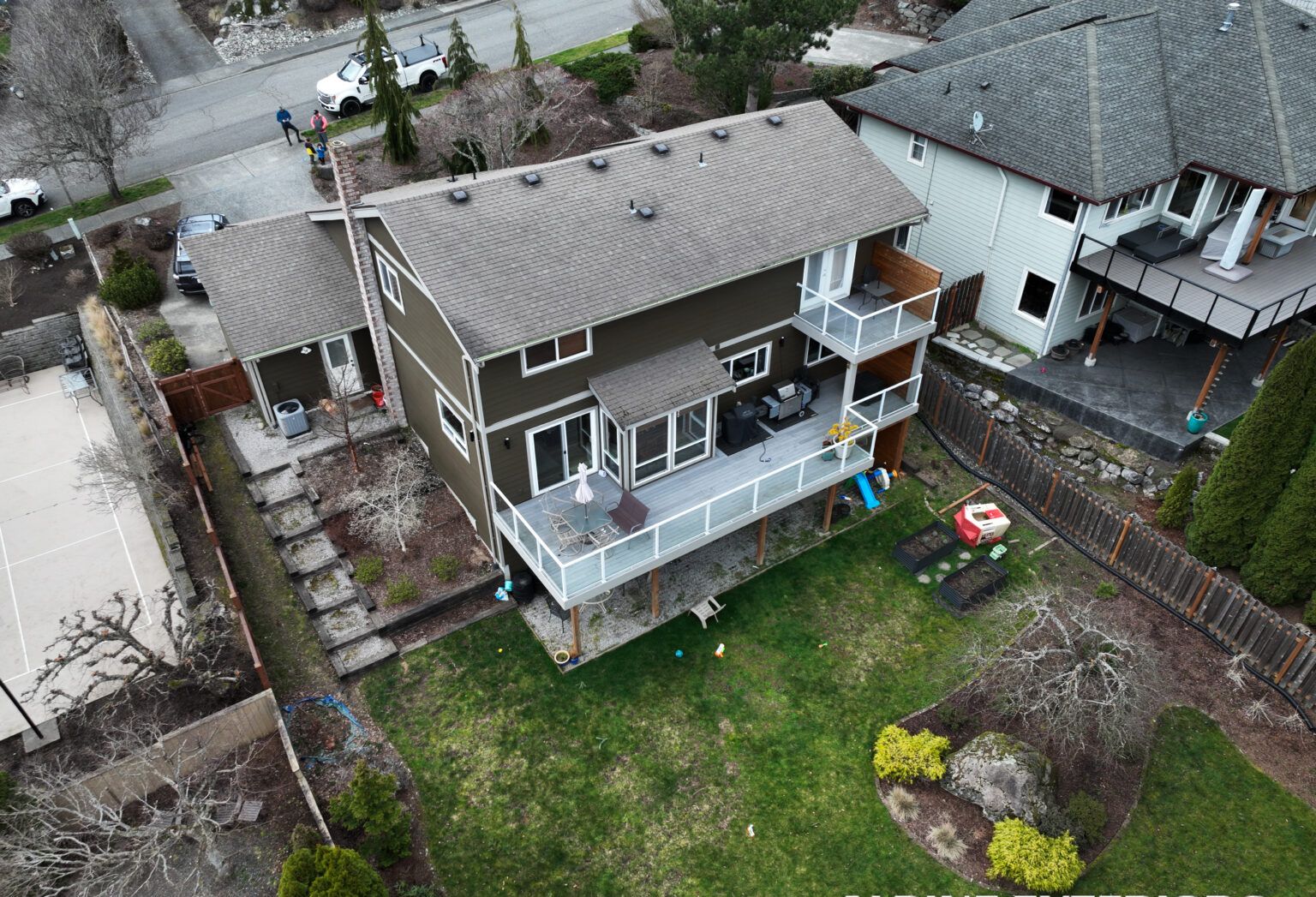
Birchwood is one of Bellingham's older established neighborhoods, with a mix of 1960s and 1970s ramblers, split-levels, and newer infill homes tucked between Meridian Street and I-5. A lot of that original siding is now 40 to 60 years old, and the same persistent rain that makes this part of Whatcom County green year-round is also what eventually breaks siding down — through moss and algae buildup, trapped moisture behind old wood siding, and slow-motion rot at trim and corner boards. If you're planning a siding replacement on a Birchwood home, it helps to know what actually happens, in what order, and how long it realistically takes before crews show up. This page walks through the process Alpine Exteriors follows on jobs in this neighborhood and the rest of Whatcom County, from Ferndale and Lynden down to Blaine, Birch Bay, Sudden Valley, and the islands.
No two siding jobs move at exactly the same pace, but most single-family homes in Birchwood follow a similar arc. Expect roughly one to two weeks from initial measurement to a finished, signed proposal. After that, permitting (when required) and material ordering typically run in parallel and take another two to six weeks, sometimes longer for specific fiber cement colors or textures that aren't stocked locally. Once material is on site, the physical work itself — tear-off, sheathing repair, house wrap, siding installation, and trim — usually takes one to three weeks depending on the size of the home and how much hidden repair turns up once the old siding comes off.
Add it up and a straightforward re-side in Birchwood commonly runs six to twelve weeks from signed contract to final walkthrough. Homes with extensive dry rot, a full sheathing replacement, or a switch from one siding type to another (say, old cedar lap to fiber cement) tend to land at the longer end. Whatcom County's wet season is also a real scheduling factor: siding can't go over damp sheathing, so a string of soaking fall or winter storms off Bellingham Bay and the Strait can push an install back by days at a time. Crews generally plan around this by scheduling tear-off in shorter weather windows rather than opening up a whole wall face ahead of a forecasted system.
Before a single piece of old siding comes off, a few pieces of groundwork need to be settled:
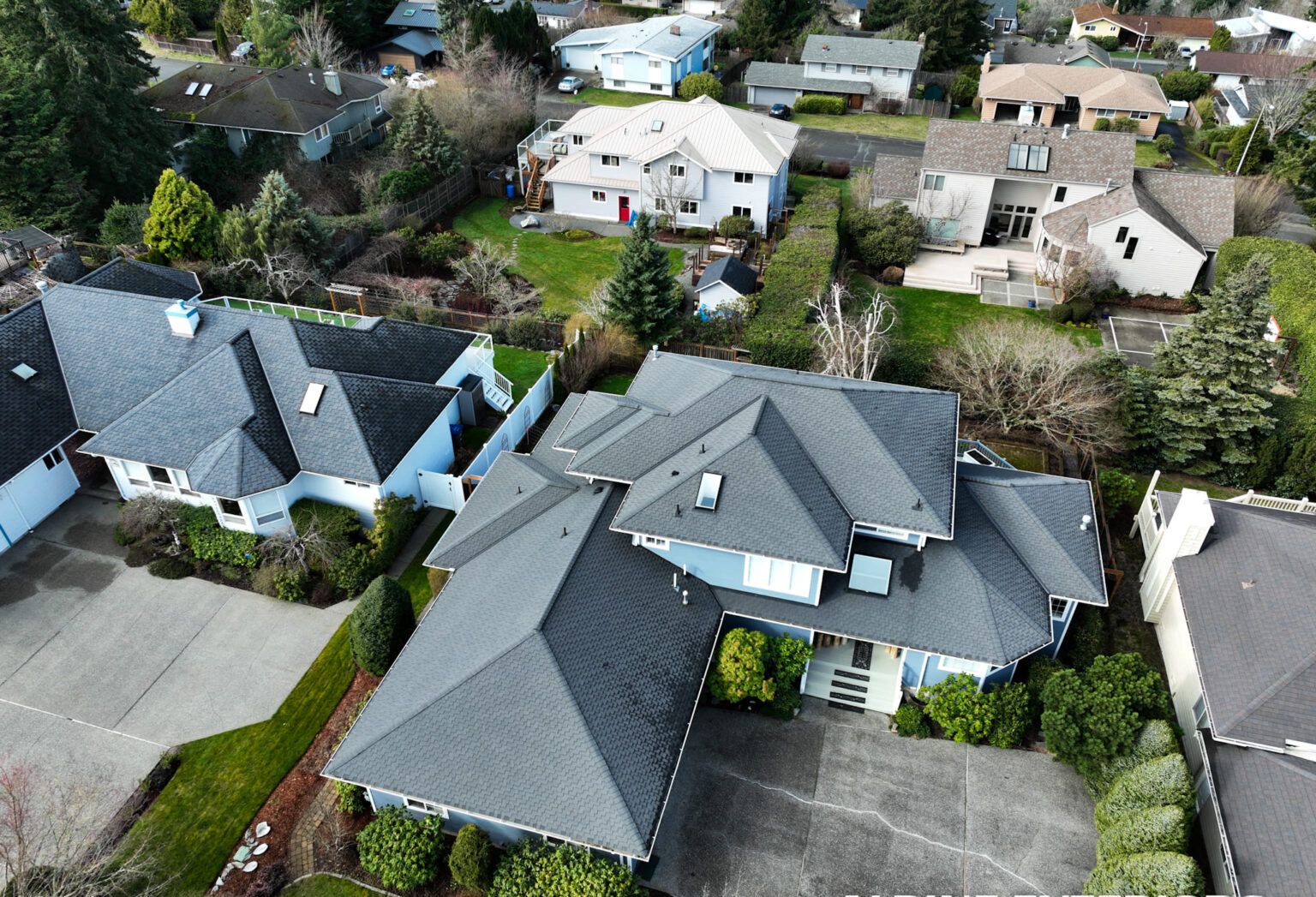
Once permits are in hand and material has arrived, the on-site work generally proceeds in this sequence:
A little preparation on the homeowner's side keeps the project moving. Move vehicles out of the driveway and away from the work zone, and trim back or temporarily relocate plants, shrubs, and anything hanging within a few feet of exterior walls. Crews will need access to exterior outlets and hose bibs, and pets should be kept indoors or in a separate part of the yard during active work — an open wall cavity and unfamiliar noise are not a good combination for a curious dog. Expect noise and some dust during tear-off hours, and plan for exterior lighting fixtures, house numbers, and mounted decorations to come down temporarily and go back up once the new siding is in place. Gutters and downspouts are typically detached and reinstalled as part of the job rather than worked around, so don't be surprised to see them off the house for a stretch of the project.
On permitted jobs, the local building inspector typically needs to sign off on sheathing and weather-barrier work before it's covered by new siding, and again at final completion. Alpine Exteriors schedules these inspections as part of the project timeline rather than leaving them as an afterthought. Daily site cleanup is standard practice, not just an end-of-job event — debris and cut-offs get cleared before crews leave for the day. At completion, the crew lead walks the exterior with the homeowner, checking siding lines, caulking, trim, and touch-up paint, and confirming that gutters, fixtures, and landscaping have been put back the way they were found. Any punch-list items get addressed before the job is considered closed out.
New siding still needs some homeowner attention over the years, particularly in a climate that grows moss and algae as readily as Whatcom County's does. Keeping gutters clear so water doesn't sheet down siding faces, rinsing off accumulated moss or grime on shaded north-facing walls periodically, and checking caulk joints around windows and trim every year or two go a long way toward protecting the investment. Alpine Exteriors backs its installation work with a workmanship warranty, and manufacturer material warranties apply on top of that, with terms that vary by product line — those details are spelled out in writing before the job starts, not left as a verbal promise. Alpine Exteriors holds Washington state contractor license ALPINI751OW, and homeowners are encouraged to verify any contractor's license status directly with the state before signing a contract.
For a typical single-family home in Birchwood, on-site labor usually runs one to three weeks depending on the size of the house and how much sheathing repair is needed, though the full process from contract signing to finished walkthrough — including permitting and material lead time — more commonly spans six to twelve weeks.
It can, and in Whatcom County it's a common enough finding that it's worth budgeting a contingency for. Rot repair costs depend entirely on how much sheathing or framing is affected, which usually isn't known until the old siding comes off, so a straightforward re-side proposal should spell out how additional rot repair is priced if it's discovered mid-project rather than leaving it as a surprise change order.
It depends on scope — simple like-for-like siding replacement is sometimes exempt, but sheathing repair, flashing changes, or wall reconstruction generally require a permit from the City of Bellingham or Whatcom County depending on where the property sits. Alpine Exteriors handles permit coordination as part of the project rather than leaving homeowners to determine that on their own.
Fiber cement products are a popular choice locally because they resist moisture absorption, moss growth, and rot better than untreated wood siding, though vinyl and engineered wood are also used depending on budget and the look a homeowner wants. There's no single right answer for every home — the better approach is matching the material to the home's exposure, whether it faces prevailing wind-driven rain off Bellingham Bay and the Strait or sits in a more sheltered spot.
Every Birchwood home carries its own history of weather exposure, past repairs, and hidden wear, and a good siding plan starts with an honest look at the actual condition behind the old material rather than a generic estimate. Alpine Exteriors serves Birchwood and the rest of Whatcom County — Bellingham, Ferndale, Lynden, Blaine, Birch Bay, Sudden Valley, and the islands — and can walk your property, explain what's likely happening behind your current siding, and lay out a realistic timeline and scope before any work begins. Reach out to schedule an on-site evaluation and get a straightforward look at what your project would actually involve.