
The Columbia neighborhood sits close enough to Bellingham Bay that its houses take a steady beating from wind-driven rain, salt-tinged air, and the kind of low, persistent drizzle that Whatcom County sees for much of the year. Add mature tree cover on many of the older lots and you get shaded, slow-drying wall surfaces that grow moss and algae faster than siding in a drier climate ever would. If you're planning to replace siding on a Columbia home, it helps to know what the process actually looks like before crews show up — not the marketing version, but the real sequence of permits, weather delays, material lead times, and site work. This guide walks through it in order, from the first estimate to the final walkthrough, with the honest tradeoffs included.
Most homeowners think of a siding project as the week or two the crew is physically on the house, but the calendar actually starts weeks earlier. A typical project has three phases: the estimate and design phase (measuring, material selection, and contract signing), the pre-construction phase (permitting, ordering, and scheduling), and the on-site installation phase. For an average single-family home in Columbia — say 1,800 to 2,800 square feet of wall area — on-site work often runs one to three weeks depending on the siding material, how much of the old wall assembly needs repair, and how cooperative the weather is. Whatcom County's wet season, roughly October through April, is the hardest stretch to schedule around; rain doesn't stop siding work outright, but wind-driven rain off the Strait and the Bay does stop it, since wrapping a house in a downpour with gusts defeats the purpose of a weather-resistant barrier. Spring and summer installs tend to move faster and more predictably.
Where homeowners are most often surprised is the gap between signing a contract and seeing anyone show up with tools. That gap is almost always material lead time and permitting, not procrastination, and it's worth planning your own schedule — vacations, other remodeling, HOA paperwork — around it rather than against it.
Whether a siding replacement in Columbia needs a building permit depends on scope. A straightforward like-for-like re-side, where the existing sheathing stays intact and undamaged, is sometimes handled without a full structural permit — but the moment sheathing is removed, replaced, or the wall assembly is opened up to bare studs, the City of Bellingham's Permit Center generally requires a permit and an inspection. Given how common hidden wood rot is on older Columbia homes near the water, it's realistic to assume permitting will apply rather than assume it won't; a reputable contractor should pull the permit as part of the contract rather than leave it to the homeowner to sort out. Alpine Exteriors handles this step as standard practice on Whatcom County projects, since skipping it creates real problems at resale or insurance time.
If your property is in Sudden Valley or one of the other HOA-governed communities around Lake Whatcom, or if you're on one of the islands with a covenant association, factor in architectural review before you order materials. HOA boards typically want to approve siding color, material type, and sometimes the manufacturer before work begins, and that approval cycle can add one to four weeks depending on how often the board meets. Submit early — reordering a different color after materials have already shipped is expensive and slow.
Material lead time is the other variable that catches people off guard. Fiber cement siding, cedar siding, and factory-finished products are typically built or milled to order rather than pulled from a shelf, and lead times can run anywhere from a few weeks to a couple of months depending on the manufacturer, the specific profile, and the finish color — custom or less common colors add time. Vinyl siding in common colors tends to be quicker to source. None of this is unique to any one supplier; it's simply how the supply chain works, and it's the main reason a solid contract will list an estimated start window rather than a fixed date at the time of signing.
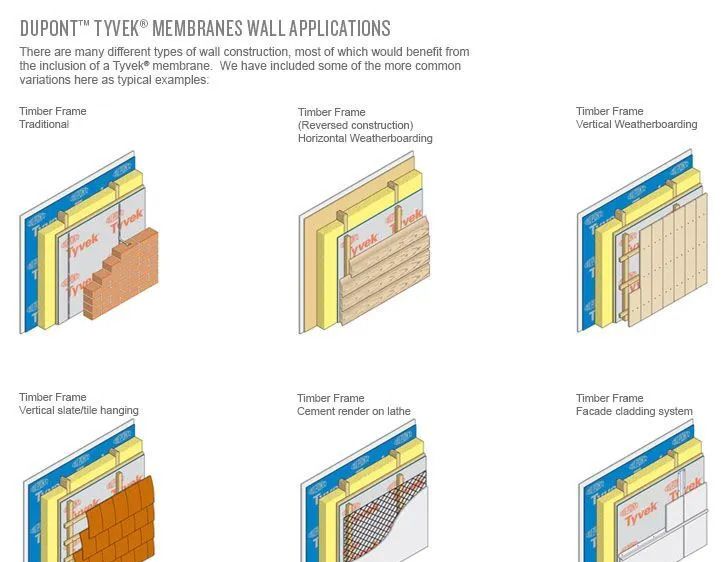
One more thing worth raising before work starts: if the project opens the wall down to the sheathing, the Washington State Energy Code comes into play. The code sets minimum requirements for insulation and for the weather-resistive barrier system once that assembly is exposed, so a re-side that turns into a tear-off-and-rebuild isn't just a cosmetic swap — it can trigger updated house wrap, flashing details, and in some cases added insulation to bring the wall up to current code. This is worth discussing with your contractor at the estimate stage so it isn't a surprise mid-project.
Once permits are in hand and material has arrived, the on-site work generally follows this sequence:
A few days before work starts, walk the perimeter of your house and clear a few feet of working space wherever shrubs, planters, or stored items sit against the walls — crews need that access, and pulling siding away from overgrown landscaping slows everyone down and risks damaging plants you'd rather keep. Take down anything mounted directly to the exterior walls that you want to keep intact: house numbers, light fixtures, cameras, hose reels, and similar hardware. Move vehicles out of the driveway and immediate work zone, since material staging and dumpsters or debris trailers take up more space than people expect.
Inside the house, expect noise during work hours, and expect crew members near windows on the exterior for stretches of the day — worth knowing if you work from home or have pets that react to strangers outside. If you have an alarm system with exterior sensors, or exterior cameras tied to a monitoring service, let the crew and your provider know in advance so a triggered sensor doesn't turn into a false alarm dispatch. Finally, plan for weather-related schedule shifts. In a region where wind-driven rain off Bellingham Bay can shut down a work day with little notice, a day or two of slippage here and there over a multi-week project is normal, not a sign anything has gone wrong.
Daily cleanup during the project should include clearing debris and running a magnetic sweep over the yard and driveway for stray nails and screws — small enough to matter if you have kids, pets, or bike tires crossing that ground. At the end of the job, expect a final walkthrough where you and the crew lead go around the house together, checking caulking lines, trim gaps, paint or finish consistency, and any areas that were flagged for repair along the way. This is the right time to build a punch list of anything that needs touching up rather than assuming it'll get handled automatically — a good contractor will welcome the list, not resist it.
If the project required a permit, a final inspection from the City of Bellingham's building department typically has to be scheduled and passed before the job is considered fully closed out. Keep copies of the permit and inspection sign-off with your home records; they matter if you sell the house or file an insurance claim down the road.
New siding isn't maintenance-free, especially on a shaded, moisture-prone lot like many in Columbia. Moss and algae growth is close to inevitable on north-facing walls under tree canopy, and a soft wash every couple of years — not a high-pressure blast, which can force water behind panels or damage certain finishes — keeps growth from taking hold and staining the surface. Check caulk lines annually, particularly after the first winter, since new construction settles slightly and sealant can pull away from joints. Keep gutters clean and downspouts directed away from the foundation; water cascading off a clogged gutter onto new siding is one of the most common causes of premature wear, and it's entirely preventable.
In the foothills toward Lake Whatcom and Sudden Valley, freeze-thaw cycles are more pronounced than right on the waterfront, and any water that gets trapped behind siding or in unsealed joints can expand when it freezes and accelerate damage. That's another reason correct flashing and sealing at installation matters more here than in a milder, drier climate.
Ask your estimator directly about warranty coverage before signing — both the manufacturer's material warranty and the contractor's workmanship warranty, since they're separate things and cover different failure modes. Alpine Exteriors carries Washington contractor license ALPINI751OW and stands behind its installation work; get the specific terms in writing as part of your contract rather than relying on a verbal description.
For a typical single-family home in Columbia, on-site installation usually runs one to three weeks, depending on the size of the house, the siding material chosen, and how much hidden repair work turns up once the old siding comes off. Weather can add a few days here and there, particularly during the wetter months when wind-driven rain off the Bay makes outdoor work unsafe or counterproductive for a period.
It depends on scope. A like-for-like replacement that leaves the sheathing intact sometimes doesn't require a full permit, but any project that removes or replaces sheathing, or opens the wall assembly to bare framing, generally does require a permit and inspection from the City of Bellingham. Because hidden wood rot is common on older homes in this area, it's safest to assume a permit will be needed and confirm with your contractor before work starts.
There isn't a single material immune to moss, algae, or moisture — every option has tradeoffs. Fiber cement resists rot and holds up well to sustained moisture but is heavier and pricier to install. Cedar has a natural, regional look but needs more upkeep and periodic refinishing to keep moisture out. Vinyl is lower maintenance and generally more affordable but can be more brittle in cold snaps and shows seams differently than the other options. The right choice depends on your budget, the home's exposure to wind-driven rain, and how much upkeep you're willing to do.
Given the amount of sustained moisture this region sees, finding some rot in sheathing or framing — especially around windows, doors, and near ground level — isn't unusual on older homes. When it's found, the damaged material is cut out and replaced before new siding and the weather-resistive barrier go back on; installing over compromised wood just traps the problem behind new material. This is the main reason final project costs can shift once tear-off begins, and a straightforward contractor will document what was found with photos before repairing it.
If you're weighing a siding project on a Columbia home, start with an in-person estimate so lead times, permit needs, and any HOA steps can be mapped out before you're locked into a schedule. Alpine Exteriors serves Bellingham, Ferndale, Lynden, Blaine, Birch Bay, Sudden Valley, and the surrounding islands, and can walk your specific property, flag likely trouble spots given its age and exposure, and lay out a realistic timeline in writing.