
If you own a home in Custer or anywhere else in the flatlands north of Bellingham, you already know what the weather does to exterior siding here. Wind off the Strait of Georgia and Bellingham Bay drives rain sideways against north and west walls for months at a time, moss and algae creep across anything that stays damp, and older wood or hardboard siding on farmhouses and ranch homes throughout Whatcom County tends to hide rot behind it long before anyone notices a problem. James Hardie fiber cement siding is one of the more common answers homeowners in this area land on, and the question that follows almost every conversation is simple: what does it actually cost to put it on a house in Custer.
There is no single number that is honest for every home, and any contractor who quotes a firm price before seeing your walls, your framing, and your current siding condition is guessing. What follows are realistic ranges pulled together from the kinds of jobs done across Whatcom County, plus the specific things that push a Custer project toward the low end or the high end of that range.
Fiber cement siding installed in Whatcom County typically runs from around ten to twenty-plus dollars per square foot once material, labor, trim, and disposal are all accounted for. A modest single-story home in Custer with straightforward walls and no significant rot will land toward the lower end of that band. A two-story farmhouse with wraparound porches, multiple gables, extensive trim, and hidden moisture damage behind the old siding can run well past it. The table below breaks out the pieces that make up a typical bid so you can see where your project is likely to sit.
| Cost Factor | Typical Low | Typical High |
|---|---|---|
| Tear-off and disposal of existing siding | Minimal if siding is thin and easy to strip | Significant for multiple layers or older siding requiring special disposal handling |
| Sheathing and rot repair | Little to no hidden damage found | Extensive rot from long-term moisture intrusion, common on older Whatcom County farmhouses |
| Hardie product line and profile | Standard HardiePlank lap siding | HardieShingle, HardiePanel with battens, or mixed profiles for architectural detail |
| Finish | Field-painted after install | Factory ColorPlus finish (higher upfront cost, skips a repaint cycle) |
| Trim and fascia | Simple window and corner trim | Extensive HardieTrim detailing, dormers, and multiple roof planes |
| House complexity and access | Single story, open lot | Two-plus stories, steep site, scaffolding required |
| Permits and code items | Standard permit | Added house wrap or drainage-plane upgrades tied to Washington State Energy Code requirements |
These ranges assume a licensed, insured contractor pulling proper permits and following manufacturer installation specs. Unlicensed or uninsured crews sometimes quote below these ranges, but that gap usually shows up later in the form of failed flashing, trapped moisture, or a voided manufacturer warranty.
The single biggest swing factor on a Custer job is almost always what the crew finds once the old siding comes off. Whatcom County's wet, mild climate is hard on wood-based siding products, and it is common to discover soft or rotted sheathing around window openings, at the base of walls, and behind poorly flashed trim, especially on homes built before modern weather-resistant barriers were standard practice. Every square foot of sheathing that needs to be cut out and replaced adds to the bill, and there is genuinely no way to know the full extent of it until the walls are open.
Wind exposure matters too. Homes on more open ground near Custer, Blaine, or Birch Bay that take the brunt of wind-driven rain off the water need more attention paid to flashing details, kick-out flashing at roof-wall intersections, and fastener patterns than a home tucked into trees closer to Lynden or the foothills. None of that is optional extra work; it is what keeps water from getting behind the siding in the first place, but it does take more labor time.
Height and access change the price as well. A single-story rambler is straightforward to scaffold and work from ladders. A two-story home, or one with a steep or oddly shaped lot, requires more setup time and sometimes rental equipment, which shows up in the labor line.
Finish choice is another lever. HardiePlank and other Hardie products are available with a factory-applied ColorPlus finish or as primed boards meant to be field-painted after installation. ColorPlus costs more upfront but is baked on at the factory and typically holds color longer against the region's damp, low-sun climate than a field-applied coat, which can mean skipping a repaint cycle down the road. Field-painted siding costs less initially but adds a painting line item and a shorter interval before it needs attention again.
Finally, the profile you choose changes labor time. Straight lap siding installs faster than mixed profiles like HardieShingle accents around gables or HardiePanel with vertical battens, both of which are popular on the craftsman and farmhouse styles common around Whatcom County but take more cutting and fitting.
A complete, useful quote for a Custer project should spell out more than just a total dollar figure. At minimum, look for these line items:
Alpine Exteriors builds quotes around these same line items for every siding estimate in Whatcom County, because a number without this detail behind it is nearly impossible to compare against anything else.
Once you have two or three bids in hand, resist the urge to simply sort by total price. Start by confirming each bid specifies the same Hardie product line and profile; a quote built around basic lap siding will always look cheaper than one that includes HardieShingle accents, even on the identical house. Next, check how each contractor handles hidden rot. Some bids include a rot-repair allowance up front and bill only for what exceeds it; others say nothing about it and simply add a change order once the walls are open, which can turn a competitive bid into the most expensive one by the time the job is finished.
Confirm licensing and insurance for every contractor you are considering, and ask to see the license number directly rather than taking it on faith. Alpine Exteriors, for example, carries Washington contractor license ALPINI751OW, and any legitimate contractor should be able to produce their license number without hesitation. A lower bid from an unlicensed or uninsured crew is not actually a lower cost if something goes wrong mid-project.
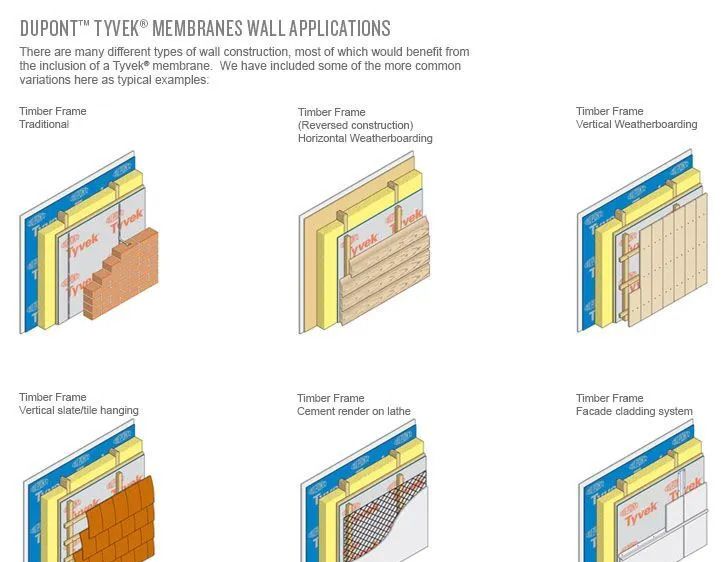
Finally, ask each bidder how they plan to handle water management specific to your site: flashing at penetrations, the house wrap or weather barrier being used, and how they will treat any exposed west- or north-facing walls that catch the worst of the wind-driven rain. A bid that is silent on these details, no matter how competitive the number, is telling you something about what corners might get cut.
Many siding contractors, including those working across Whatcom County, offer financing options that break a full re-side into monthly payments rather than requiring the total amount up front. Terms, rates, and qualification vary by lender, so it is worth asking your contractor what financing partners they work with and getting the actual terms in writing before committing.
On the insurance side, homeowners sometimes assume a full re-side will be covered because their siding is failing, but standard homeowner's policies generally treat gradual deterioration, age, and maintenance neglect as excluded from coverage. Damage tied to a specific, sudden storm event, such as wind-driven debris impact, is more likely to be considered, but that determination is between you and your insurer and depends on your specific policy language. If you suspect storm damage played a role in your siding's condition, it is worth having a contractor document the damage with photos before work begins and discussing it with your insurance agent directly rather than assuming coverage either way.
Fiber cement generally costs more upfront than vinyl siding, but it holds up differently against this region's constant moisture, moss growth, and wind-driven rain. It doesn't warp or become brittle the way some vinyl products can over time in a persistently wet climate, and it accepts a wider range of finish options. Whether the added cost is worth it depends on how long you plan to stay in the home and how much you value lower long-term maintenance versus the lowest possible install price.
Timeline depends heavily on house size, complexity, and what's found once the old siding is removed. A straightforward single-story home with no significant rot can move relatively quickly, while a larger or more complex home, or one with extensive hidden moisture damage, will take longer. Persistent Pacific Northwest rain can also add delays, since fiber cement installation and painting both require reasonably dry conditions.
Re-siding projects in Washington are generally reviewed against the Washington State Energy Code requirements that apply to the scope of work being done, which can affect decisions around house wrap, insulation, and drainage-plane details depending on how much of the wall assembly is being opened up. Your contractor and the local permitting office can confirm exactly what applies to your specific project scope.
Most of it traces back to water finding a way behind the siding and having nowhere to escape: failed or missing flashing around windows and doors, house wrap that has degraded over decades, or older siding materials that simply weren't rated to handle this much sustained moisture. Because Whatcom County stays damp for so much of the year, trapped water behind siding can cause significant sheathing and framing damage before it's ever visible from the outside, which is exactly why tear-off often turns up more repair work than a homeowner expects.
Ranges are useful for planning, but the only way to know what your specific Custer home will actually cost is to have someone look at the walls, check for existing moisture damage, and measure the actual square footage and complexity involved. Alpine Exteriors serves Custer and the rest of Whatcom County, from Bellingham and Ferndale out to Blaine, Birch Bay, Lynden, Sudden Valley, and the islands, and can walk your property, explain what's driving your specific number, and put together a detailed, itemized quote rather than a one-line estimate. If you're weighing a re-side and want a straight answer grounded in your home's actual condition, reach out to schedule a walkthrough.