Best Siding for Lynden Homes: A Whatcom County Guide
Updated August 2026 · Alpine Exteriors · WA contractor license ALPINI751OW
Lynden sits in a strange middle ground weather-wise. It doesn't get the wind-driven rain off Bellingham Bay as directly as Fairhaven or the waterfront neighborhoods closer to the Strait of Georgia, but it isn't sheltered either — open farmland lets weather move through fast, and the Nooksack River valley holds moisture in the air for days at a stretch. Add in the town's older Dutch-heritage farmhouses, a lot of newer subdivision construction on the north and east sides, and the foothill properties pushing toward Mount Baker where freeze-thaw cycles show up most winters, and you get a housing stock where one siding answer doesn't fit every house. This guide walks through what actually holds up here, what doesn't, and why — without pretending there's a single correct product for every home in Whatcom County.
The Short Answer: Our Top Picks for This Region
For most Lynden homes, fiber cement siding is the strongest all-around choice. It resists the rot that persistent Pacific Northwest rain causes in wood, it doesn't feed moss and algae the way bare cedar or cheap composite panels can, and it holds paint and caulk lines through the freeze-thaw swings that hit Whatcom County's higher ground. Engineered wood siding — LP SmartSide and similar strand-based products — is a close second and often the better fit for budget-conscious remodels or additions on older farmhouses, provided the installer respects the manufacturer's moisture details at every cut edge. Vinyl remains a reasonable, lower-cost option for straightforward elevations without heavy tree shade, though we're honest with clients that it isn't the best performer on north-facing walls that stay damp under fir canopy. Cedar still belongs on some Lynden homes, particularly where the Dutch-influenced architecture calls for it, but only with a clear-eyed understanding of the maintenance commitment that comes with real wood in this climate.
None of these are universal answers. The right pick depends on which direction your walls face, how much shade your lot has, whether you're near the foothills or down in the valley, and how much ongoing maintenance you're willing to do. That's the point of the rest of this guide.
How We Judged: The Criteria That Matter Here
We didn't rank these products on looks or brand reputation alone. The criteria below are the ones that actually separate a siding job that lasts twenty-plus years in Whatcom County from one that needs attention in five.
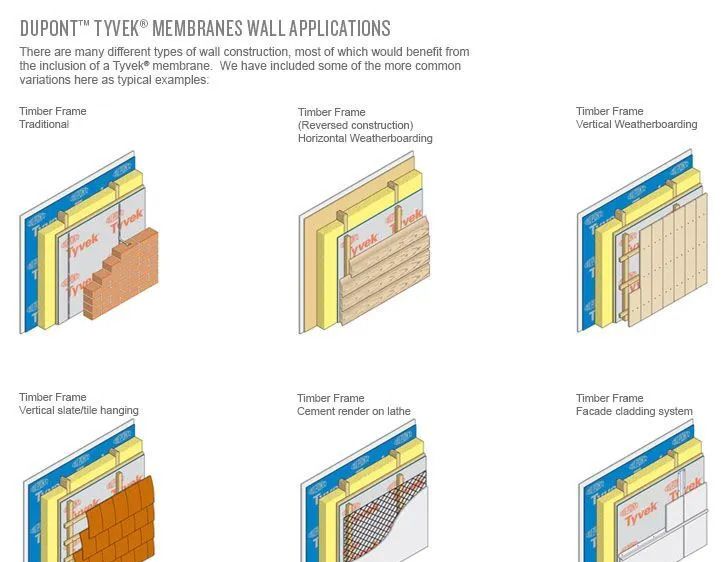
- Moisture management. Whatcom County gets a long, steady rainy season rather than short heavy downpours, which means siding spends more cumulative time damp than it does in drier climates. A proper rainscreen gap behind the cladding matters more here than the cladding material itself in a lot of failure cases we've seen.
- Moss and algae resistance. Between the tree cover common on Lynden lots and the persistent damp, north- and east-facing walls are prone to green and black staining. Some materials shed it with a wash; others hold onto it in the surface texture.
- Rot resistance at vulnerable points. Grade level, under eaves, around window trim, and anywhere water sheets off a roofline are where we see the earliest failures on older wood-sided homes in this area.
- Wind-driven rain performance. Homes closer to Birch Bay, Blaine, and the Bellingham Bay shoreline take rain sideways during winter storms more than inland Lynden does, but exposed lots anywhere in the county can get it during a strong southwesterly blow.
- Freeze-thaw durability. Sudden Valley and the foothill edges toward Mount Baker see more frequent freeze-thaw cycling than the valley floor. Materials that trap water and then freeze it are more likely to crack or spall in those spots.
- Washington State Energy Code compliance. Whatcom County falls under the marine climate zone provisions of the Washington State Energy Code, and re-siding projects that touch the wall assembly need to account for the code's continuous insulation and air-sealing requirements, not just swap one cladding for another.
- Realistic maintenance burden. We weigh how much a product actually needs — repainting, caulking, pressure washing — against what homeowners tell us they're willing to do, because a low-maintenance product that gets neglected anyway still fails early.
Fiber Cement Siding
Fiber cement (the category that includes HardiePlank-style lap siding) is cement, sand, and cellulose fiber pressed into planks or panels. It doesn't rot, it doesn't feed insects, and factory-primed or pre-finished versions hold paint far longer than site-painted wood does in a climate this damp.
- Pros: Excellent rot resistance, doesn't support moss growth on the material itself (though staining can still sit on the surface and needs washing), handles freeze-thaw well once properly installed with a rainscreen gap, and carries a long service life that fits well with the Washington State Energy Code's push toward durable, well-sealed exteriors.
- Cons: Heavier than wood or vinyl, which means installation labor costs more and the crew needs to be experienced with it — a rushed fiber cement job with poor flashing at butt joints will still trap water. It's also more brittle than engineered wood, so it can chip at corners during transport or install. Field-cutting it produces silica dust that requires proper safety handling.
We've installed a fair amount of fiber cement on remodels around Lynden's newer subdivisions and on farmhouse additions where the owner wanted something that would outlast a repaint cycle. When it's done with attention to the rainscreen detail, it's the product we're least often called back on.
Engineered Wood Siding (LP SmartSide and Similar)
Engineered wood siding is strand-based wood fiber bonded with resins and coated with a factory finish. It looks and installs more like traditional wood lap siding but with a resin treatment aimed at resisting moisture and fungal decay.
- Pros: Lighter and easier to install than fiber cement, which can lower labor cost. Holds paint well when the factory coating is intact. Performs reasonably against moss and rot as long as every cut edge gets field-treated with sealant, which is the manufacturer's actual requirement, not an optional step.
- Cons: The weak point is exactly that cut-edge treatment — skip it, and moisture wicks into the exposed strand fiber at trim lines and corners, which is where we've seen the earliest swelling on Whatcom County installs. It's also less rigid than fiber cement, so it can show waviness on an uneven wall if the sheathing isn't flat.
This is a solid option for budget-conscious projects, particularly additions to older Lynden farmhouses where matching the traditional lap-siding look matters but full fiber cement pricing doesn't fit the budget. We tell every client considering it: the product is only as good as the installer's discipline on sealing cut ends.
Vinyl Siding
Vinyl remains common across Whatcom County, especially on tract housing and straightforward gable-roof homes without a lot of architectural detail.
- Pros: Lower material and labor cost than fiber cement or engineered wood, never needs painting, and doesn't rot since it's plastic through and through. Newer insulated vinyl products also help meet the continuous insulation targets in the Washington State Energy Code more easily than hollow-back vinyl.
- Cons: It can crack in a hard freeze if struck, which matters more for foothill and Sudden Valley properties than for the valley floor. Panels can warp or bow if installed too tight without room to expand and contract. Moss and algae will grow directly on vinyl's surface in shaded, damp spots just like anything else, and the color is baked in, so once it fades or stains in a persistent shade pattern, there's no repainting your way out of it short of replacement.
Vinyl is a reasonable, honest choice for sun-exposed or low-tree-cover lots where budget is the driving factor. We steer clients away from it on heavily shaded north walls where we already know moss will be a recurring maintenance issue.
Cedar and Other Natural Wood Siding
Given Lynden's Dutch architectural heritage and the number of older farmhouses in the area, cedar and wood siding still show up regularly, and plenty of homeowners want to keep or restore that look.
- Pros: Unmatched natural appearance for homes where that character is the point, and cedar's natural oils give it some inherent rot resistance compared to other raw woods. It's also a renewable, regionally sourced material.
- Cons: This is the highest-maintenance option in a climate that punishes neglect. Without regular refinishing, cedar in Whatcom County's rain will gray, crack, and eventually rot at butt joints and near grade. It's also the material most prone to visible moss and algae growth if it isn't kept clean and sealed. We won't pretend otherwise — cedar here is a commitment, not a set-and-forget material.
We still install and repair cedar siding for clients who want to preserve a historic look, but we're upfront that it needs a maintenance schedule most other options don't.
Metal Siding (Steel or Aluminum Panels)
Less common on residential homes here but worth mentioning, since it shows up on some newer builds and outbuildings around Lynden's rural properties.
- Pros: Doesn't rot, doesn't feed moss on the panel surface itself, and holds up well to wind-driven rain when seams are properly lapped and sealed.
- Cons: Can dent, shows scratches through the finish more visibly than other materials, and the look reads more agricultural or modern than traditional — not a fit for every home in a town with as much farmhouse and Dutch-style architecture as Lynden.
What to Avoid Here and Why
A few choices consistently cause problems on Whatcom County homes, and we'd rather steer clients away from them up front than fix them later.
- Siding installed with no rainscreen gap. Nailing cladding directly to the weather-resistive barrier with no air gap behind it is the single biggest cause of trapped moisture and premature rot we see on re-siding jobs, regardless of which material was used.
- Unsealed cut edges on engineered wood. As covered above, this is where nearly every early engineered-wood failure starts in this climate.
- Old hardboard composite siding left in place. A lot of homes built or re-sided in the 1980s and 90s carry hardboard products that are now known to swell and delaminate with prolonged moisture exposure. If your home still has it, budget for replacement rather than patching.
- Skipping proper flashing at window and door trim. On a home taking wind-driven rain off an open field or near Birch Bay and Blaine, poor trim flashing is often the actual cause of an interior leak that gets blamed on the siding material itself.
- Dark vinyl on south- or west-facing walls without checking the product's heat rating. Standard vinyl can warp under sustained heat buildup on sun-exposed walls; not every product is rated for darker colors.
FAQ
How much does new siding cost for a typical Lynden home?
Costs vary widely by material, home size, and how much of the existing wall assembly needs repair before new siding goes on. As rough ranges, vinyl tends to run at the lower end, engineered wood and fiber cement sit in the middle to upper-middle range, and cedar or full re-wrap projects with new insulation and flashing land at the higher end. Get a walk-through estimate specific to your house rather than relying on a per-square-foot average, since rot repair and trim work can shift the number significantly.
Does Whatcom County's rain really make that much difference in siding choice?
Yes. The difference isn't the volume of a single storm but the cumulative time the exterior stays damp across a typical Whatcom County winter and spring. That extended dampness is what drives moss growth, slow-developing rot, and paint failure, which is why moisture management details — the rainscreen gap, flashing, sealed cut edges — usually matter more than which specific material you choose.
Is cedar siding still a good fit for Lynden's Dutch-style homes?
It can be, and plenty of homeowners choose it specifically to preserve that architectural character. The tradeoff is a real, ongoing maintenance schedule — periodic refinishing, cleaning off moss and algae, and prompt attention to any cracking — that other materials don't require to the same degree. If you want the look without that commitment, engineered wood products with a wood-grain finish are worth comparing.
How does the Washington State Energy Code affect my siding project?
Whatcom County falls under the marine climate zone provisions of the Washington State Energy Code, and any re-siding project that opens up the wall assembly typically needs to address the code's continuous insulation and air-sealing requirements as part of the work, not just the cladding on top. This is worth raising with your contractor early, since it affects both the scope of work and the permitting process.
Ready to Talk Siding for Your Lynden Home?
Every property in this area — whether it's a farmhouse near the Nooksack, a newer build in a Lynden subdivision, or a place out toward Sudden Valley or Birch Bay — has its own mix of shade, exposure, and moisture history that should drive the siding decision. Alpine Exteriors works throughout Whatcom County, including Bellingham, Ferndale, Lynden, Blaine, Birch Bay, Sudden Valley, and the islands, and we're happy to walk your home's specific walls with you before recommending a material. Alpine Exteriors holds Washington contractor license ALPINI751OW. Reach out for a walk-through and an honest read on what your home actually needs.
Want a straight answer for your home? Alpine Exteriors gives free on-site assessments across Bellingham, Ferndale, Lynden, Blaine, Birch Bay, Sudden Valley and the islands.
Call (360) 543-4799 or
request an estimate.
